


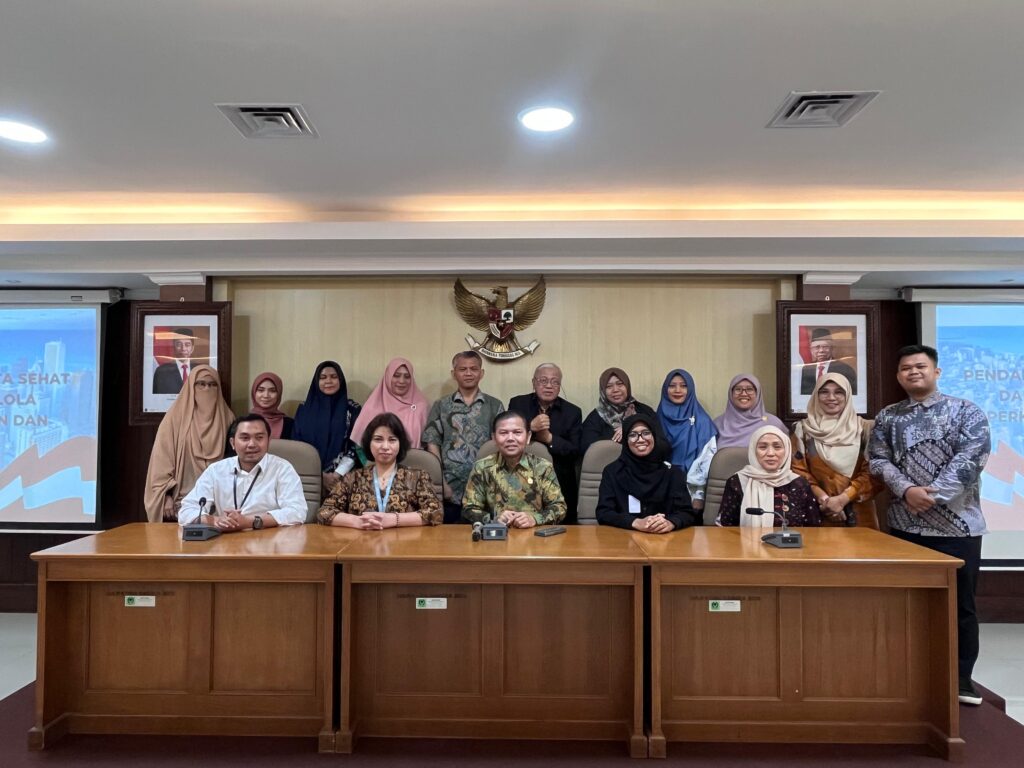
The Training for Facilitators on Urban Governance for Health and Well-being, organized by the World Health Organization South-East Asia Regional Office (WHO SEARO), is designed to build the capacity of facilitators in guiding city leaders, policymakers, and urban health professionals in integrating health into urban governance. This training equips participants with essential facilitation skills, technical knowledge, and strategic tools to support cities in developing healthier, more inclusive, and sustainable urban environments.
- Introduction to Urban Governance for Health
- Overview of the WHO Urban Governance for Health and Well-being framework.
- Understanding the social determinants of health in urban settings.
- Facilitation Techniques and Capacity-Building Approaches
- Training on effective facilitation methods for multi-sectoral urban health discussions.
- Role-playing and interactive sessions to enhance engagement and knowledge transfer.
- Policy and Strategy Development for Healthy Cities
- Case studies on successful urban health governance models.
- Practical exercises in policy integration, stakeholder engagement, and community participation.
- Monitoring, Evaluation, and Impact Assessment
- Tools and methodologies for tracking progress and measuring the impact of urban health policies.
- Data-driven decision-making approaches for sustainable urban health governance.
- Developing Action Plans and Training Modules
- Participants collaborate on creating customized training modules for local implementation.
- Development of city-specific action plans to strengthen urban health governance.