


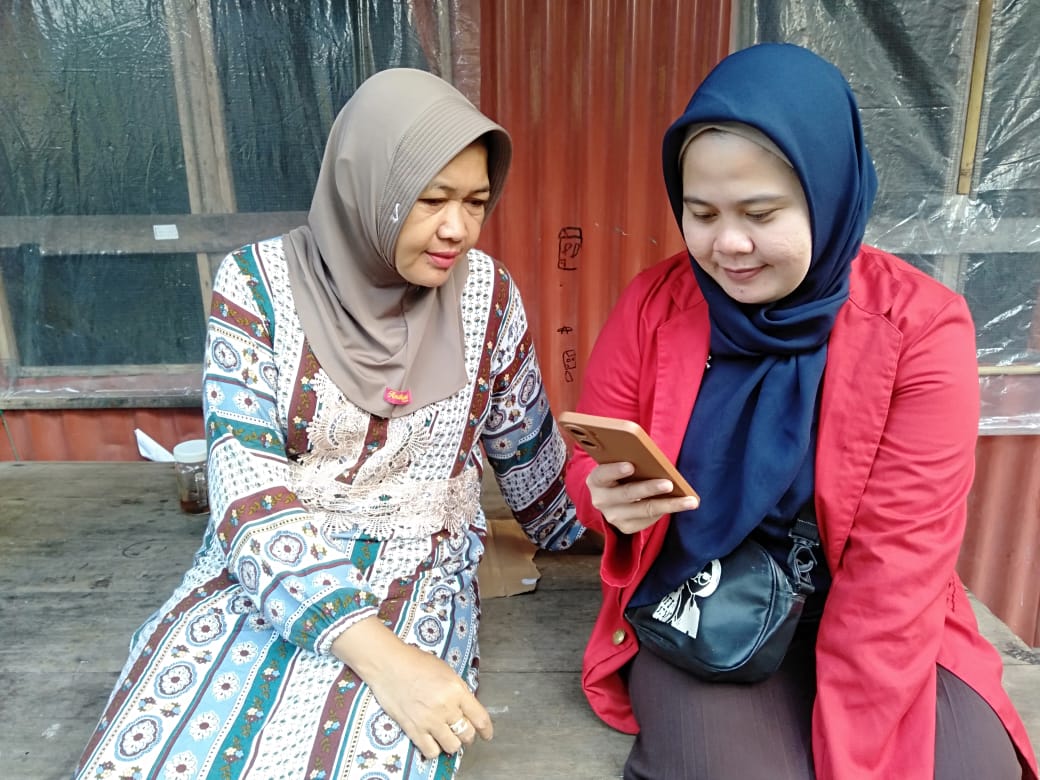
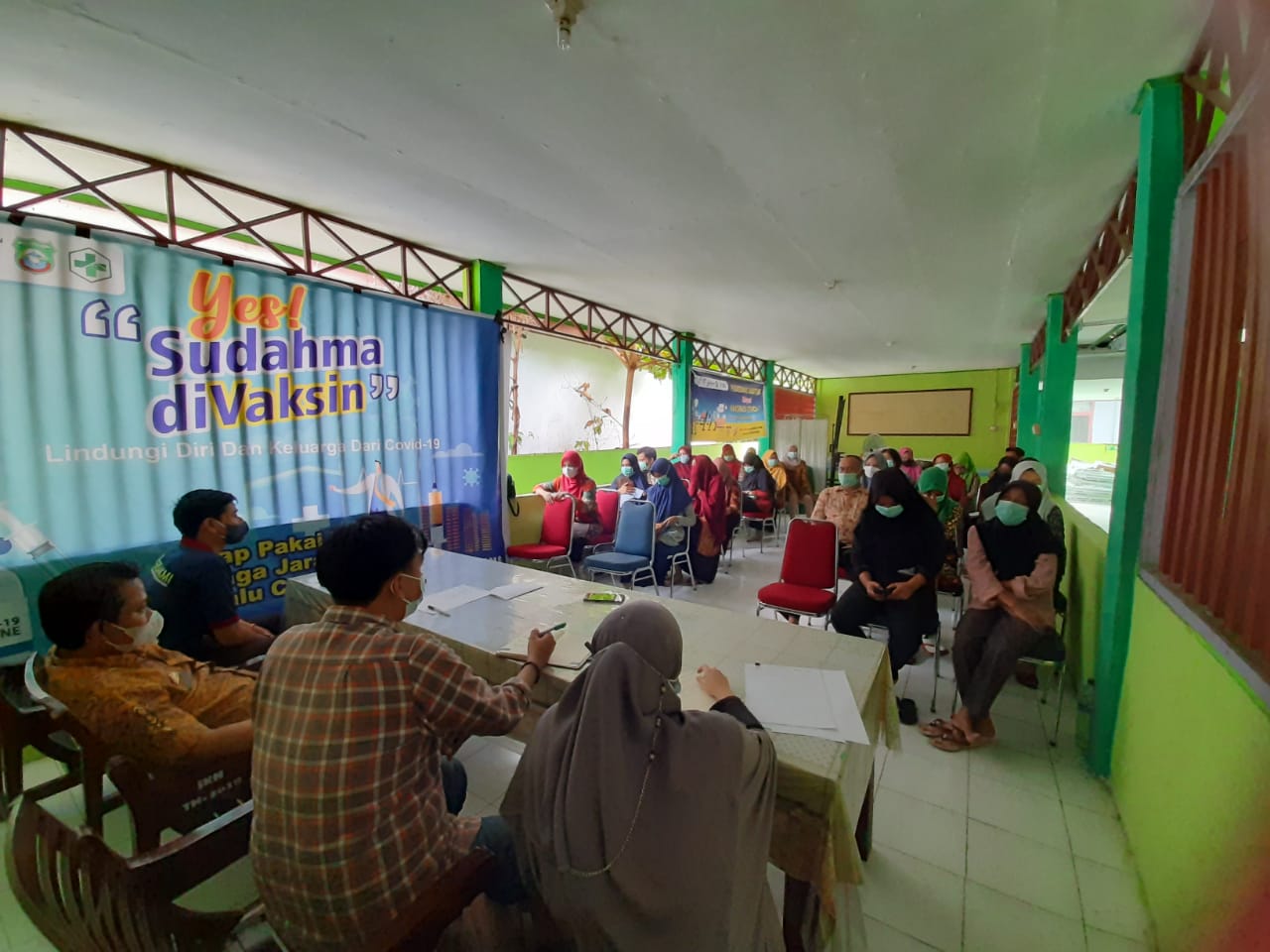
Island communities in South Sulawesi Province face significant healthcare challenges, including limited access to medical facilities, inadequate healthcare infrastructure, and environmental health risks. These barriers impact public health outcomes and hinder the realization of Healthy Islands. This study aims to develop a Healthy Health Centers (Puskesmas Sehat) model, specifically designed to enhance healthcare accessibility, service quality, and community-based health resilience in island regions.
This research employs a mixed-method approach, combining quantitative surveys and qualitative in-depth interviews with healthcare professionals, local government officials, and island residents. The study examines key aspects such as health service availability, telemedicine adoption, environmental sanitation, and community engagement in health programs. The proposed model integrates preventive, promotive, curative, and rehabilitative health services, ensuring a holistic and sustainable healthcare system for island populations.
Findings indicate that strengthening local health infrastructure, utilizing digital health solutions, and fostering multi-sector collaboration are essential for achieving a Healthy Islands framework. The Healthy Health Centers model serves as a strategic intervention for improving healthcare accessibility and supporting South Sulawesi’s commitment to sustainable and inclusive health development in island communities.
Island communities face unique healthcare challenges, including limited access to medical facilities, inadequate infrastructure, and environmental health risks. These challenges require a sustainable health service model that aligns with the Healthy Cities initiative. This study aims to develop a Healthy Island Model for Makassar City, focusing on improving health service accessibility, disease prevention, and environmental sustainability in island regions.
A mixed-method approach was utilized, combining quantitative surveys and qualitative interviews with local health workers, policymakers, and island residents. Key aspects analyzed include healthcare infrastructure, telemedicine implementation, environmental sanitation, and community participation in health programs. The proposed model integrates primary healthcare services, mobile health units, clean water and sanitation improvements, and health education programs tailored to island settings.
Findings suggest that a community-centered and technology-supported health model enhances healthcare accessibility and improves public health indicators. The Healthy Island Model emphasizes multi-sector collaboration, digital health solutions, and sustainable health policies to ensure long-term impact. This model serves as a blueprint for strengthening healthcare systems in island communities, contributing to Makassar’s vision as a Healthy City.
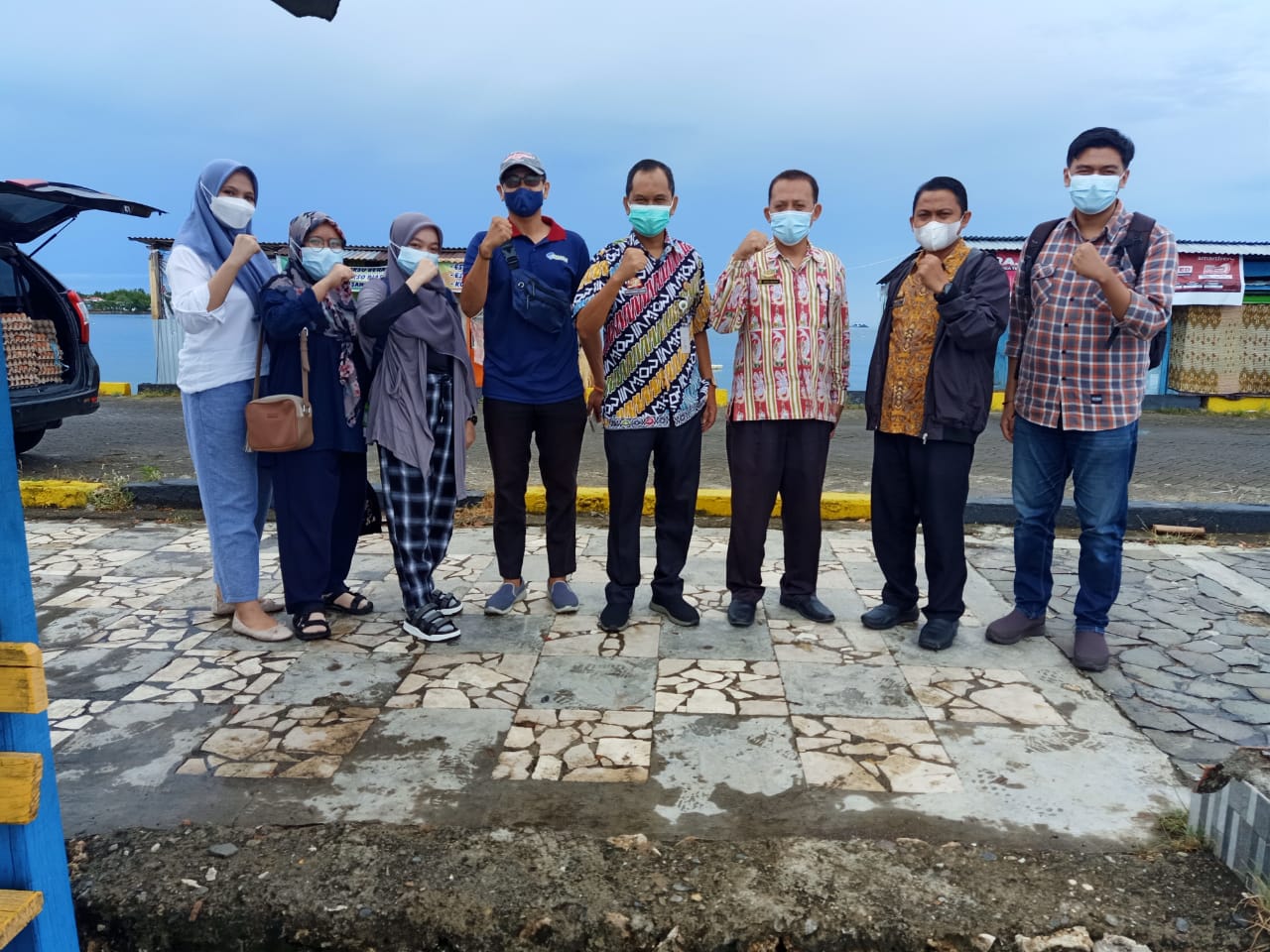
Health service accessibility remains a significant challenge in island regions, where geographic isolation, limited infrastructure, and inadequate healthcare facilities hinder the realization of Healthy Cities. This study aims to develop a Healthy Health Center (Puskesmas Sehat) model tailored for island communities in South Sulawesi Province, ensuring equitable healthcare services and supporting the Healthy Cities initiative.
A mixed-method approach was employed, combining quantitative surveys and qualitative in-depth interviews with healthcare workers, local government officials, and island residents. The research examines key factors such as health service availability, infrastructure resilience, telemedicine utilization, and community engagement in healthcare. The proposed model integrates preventive, promotive, curative, and rehabilitative health services, adapted to the unique challenges of island settings.
Findings indicate that a community-based, technology-supported, and resilience-driven health service model is crucial for ensuring effective healthcare delivery in island regions. The Healthy Health Center model emphasizes telemedicine, mobile health units, cross-sector collaboration, and sustainable resource allocation to enhance health outcomes. This model provides a strategic framework for policymakers to strengthen healthcare systems in island-based Healthy Cities initiatives.
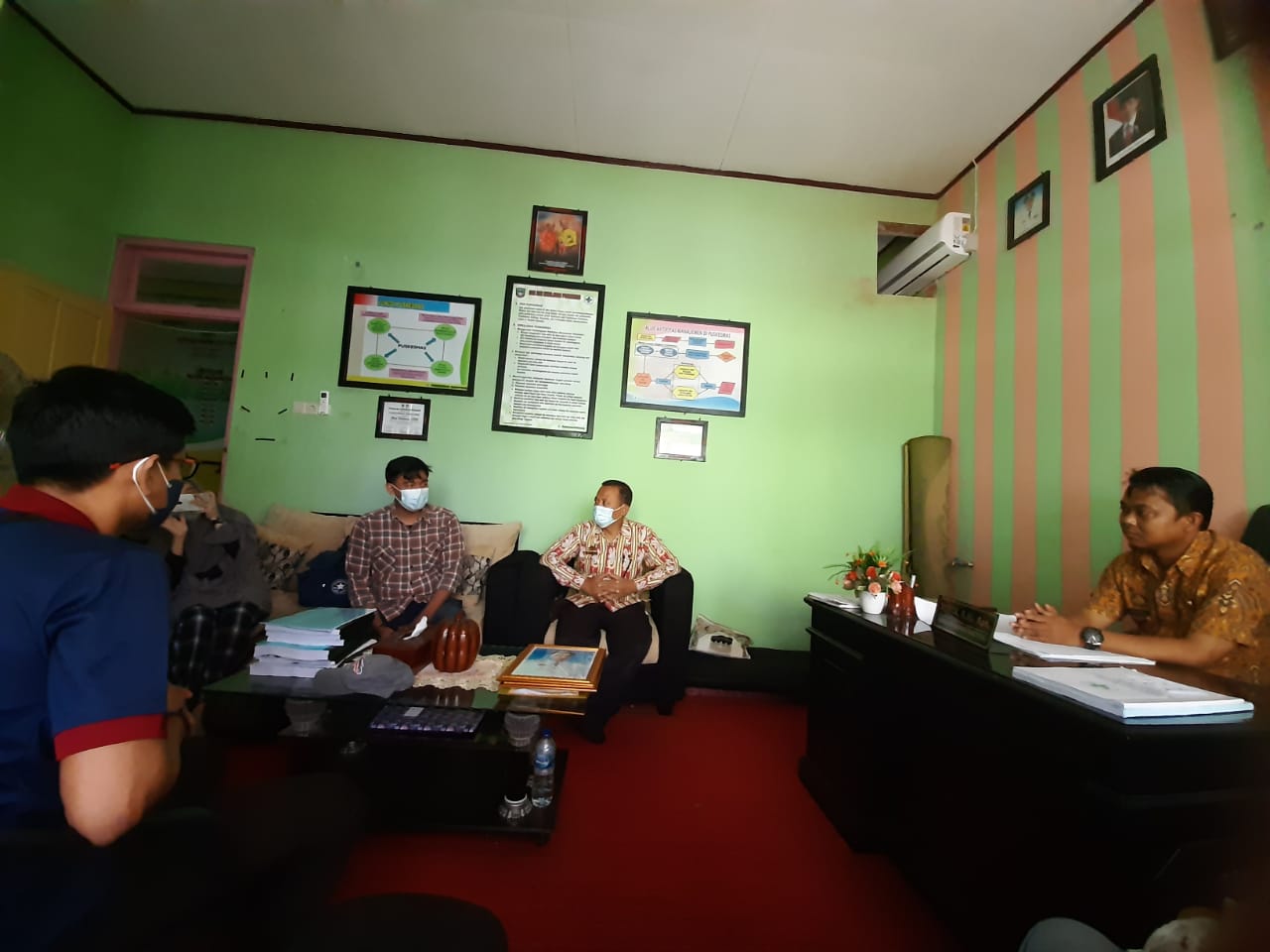
The implementation of the National Health Insurance (JKN) program in Indonesia has significantly impacted hospital governance, requiring improved transparency, accountability, and service efficiency. However, many hospitals face challenges in adapting to Good Corporate Governance (GCG) principles, leading to inefficiencies in financial management, service quality, and stakeholder trust. This study aims to develop a Hospital Good Corporate Governance (GCG) model tailored to the JKN era, focusing on hospitals in South Sulawesi.
Using a mixed-method approach, this research combines quantitative surveys with qualitative in-depth interviews involving hospital administrators, healthcare providers, and policymakers. The study assesses the current governance structure, identifies key challenges, and formulates strategic interventions to enhance compliance with GCG principles. The proposed model integrates transparency, accountability, responsibility, fairness, and independence, ensuring sustainable and equitable healthcare service delivery under the JKN scheme.
Findings suggest that strengthening leadership commitment, digital-based financial reporting, stakeholder engagement, and regulatory compliance is essential for optimizing hospital governance. The proposed GCG model provides a systematic framework for hospitals to improve service quality, financial sustainability, and operational efficiency while aligning with Indonesia’s universal health coverage goals.

The implementation of the National Health Insurance (JKN) program in Indonesia has significantly impacted hospital governance, requiring improved transparency, accountability, and service efficiency. However, many hospitals face challenges in adapting to Good Corporate Governance (GCG) principles, leading to inefficiencies in financial management, service quality, and stakeholder trust. This study aims to develop a Hospital Good Corporate Governance (GCG) model tailored to the JKN era, focusing on hospitals in South Sulawesi.
Using a mixed-method approach, this research combines quantitative surveys with qualitative in-depth interviews involving hospital administrators, healthcare providers, and policymakers. The study assesses the current governance structure, identifies key challenges, and formulates strategic interventions to enhance compliance with GCG principles. The proposed model integrates transparency, accountability, responsibility, fairness, and independence, ensuring sustainable and equitable healthcare service delivery under the JKN scheme.
Findings suggest that strengthening leadership commitment, digital-based financial reporting, stakeholder engagement, and regulatory compliance is essential for optimizing hospital governance. The proposed GCG model provides a systematic framework for hospitals to improve service quality, financial sustainability, and operational efficiency while aligning with Indonesia’s universal health coverage goals.