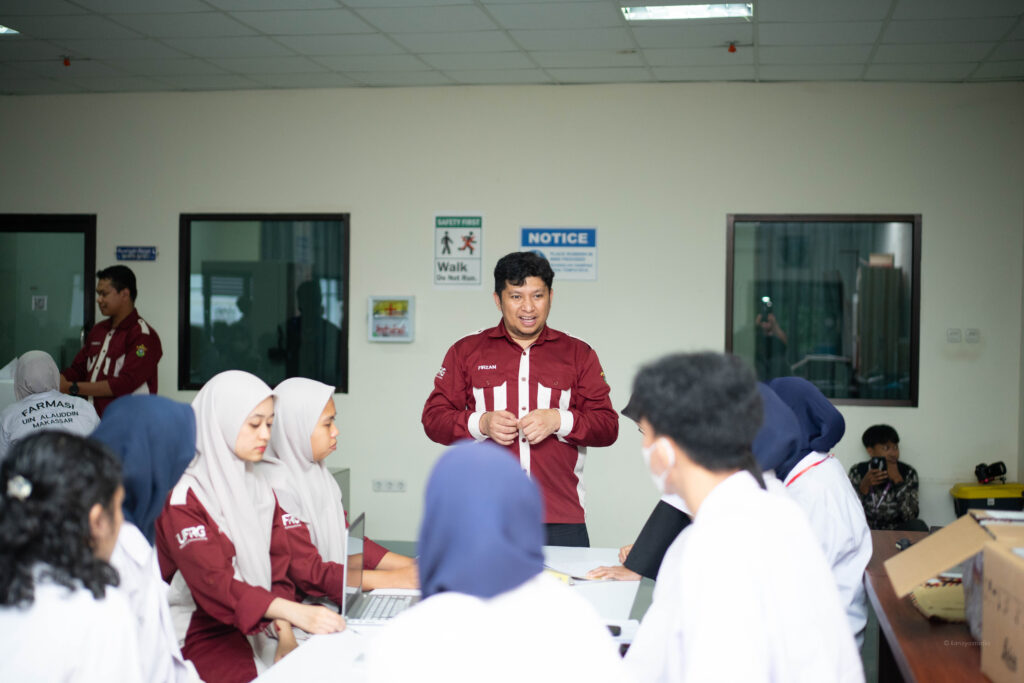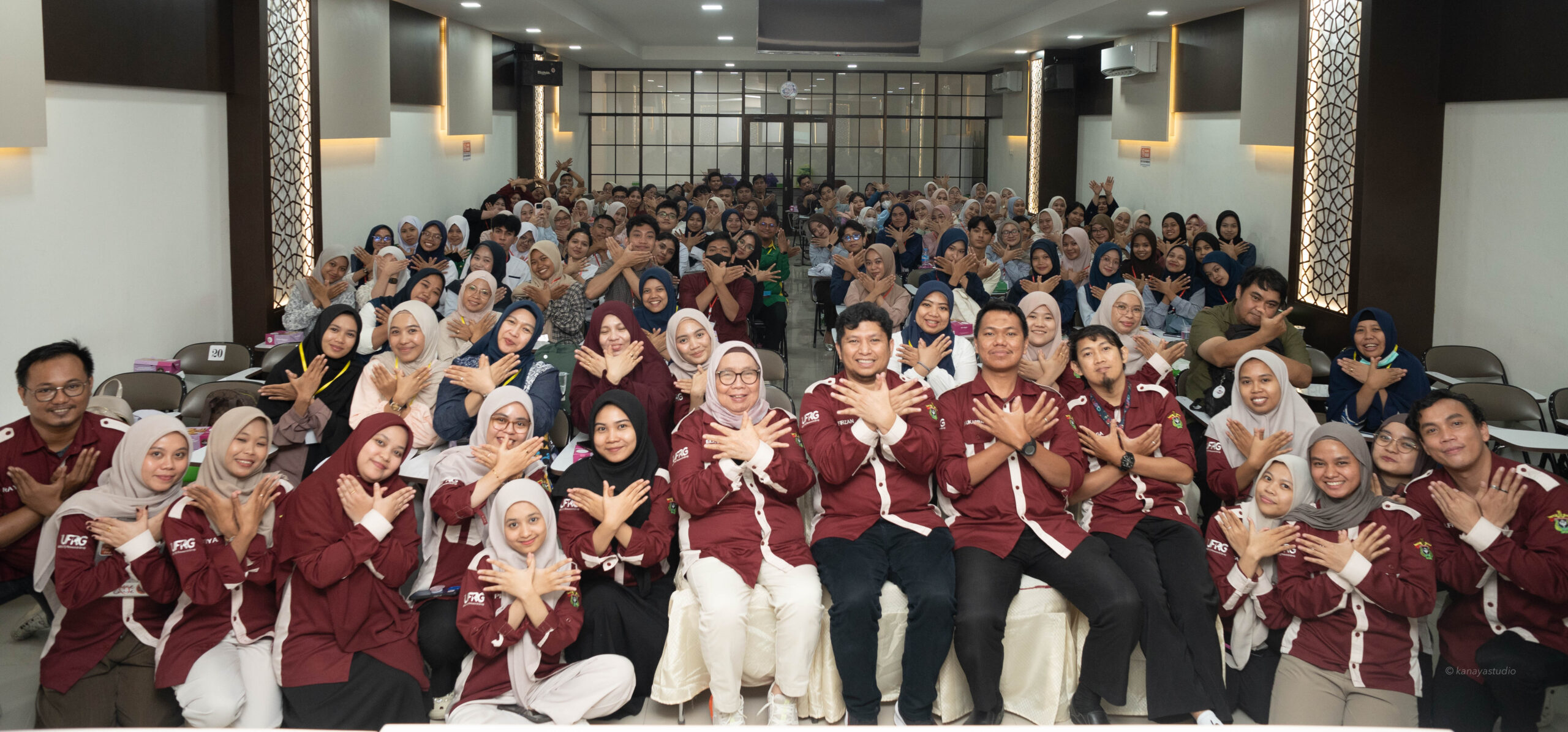

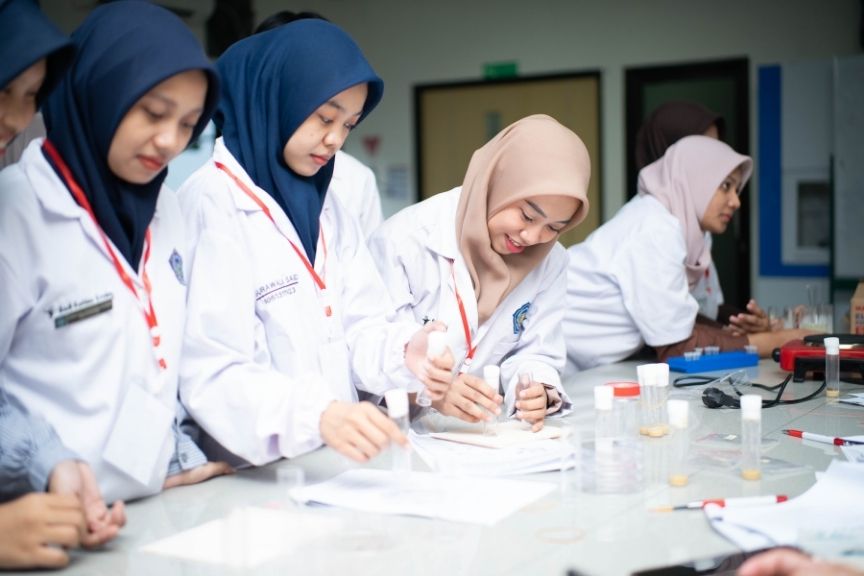
On Wednesday, 11 February 2026, a hands-on Drosophila workshop was conducted to provide participants with direct, experiential laboratory learning. The practical session focused on strengthening participants’ understanding of Drosophila as a versatile experimental model while introducing them to fundamental laboratory techniques and practices. Through direct engagement with the experimental procedures, participants were able to connect theoretical knowledge with practical application and gain firsthand experience in working with Drosophila as a research model.
The second day consisted of an in-person, hands-on workshop involving 122 participants from 11 universities across the Sulawesi region. Participants were introduced directly to the research environment and experimental practices involving Drosophila. During this practical session, UFRG alumni served as mentors, guiding participants through essential laboratory techniques and experimental handling procedures.
Among the participants, Muhammad Faisal, a D4 student from the Institut Kesehatan dan Sains Muhammadiyah Sidrap, South Sulawesi, was recognized as one of the outstanding participants of the workshop. His active engagement and participation during the practical activities reflected the enthusiasm of students from institutions beyond major academic centers.
The workshop also attracted participants from outside the local area, including Serli Marselina and Amanda Aprianti, undergraduate students from Universitas Halu Oleo, Kendari, Southeast Sulawesi. Their participation, representing one of the geographically most distant locations from the workshop venue, highlighted the program’s broad regional reach and demonstrated the strong interest of students from across Sulawesi in gaining hands-on experience in Drosophila-based research.
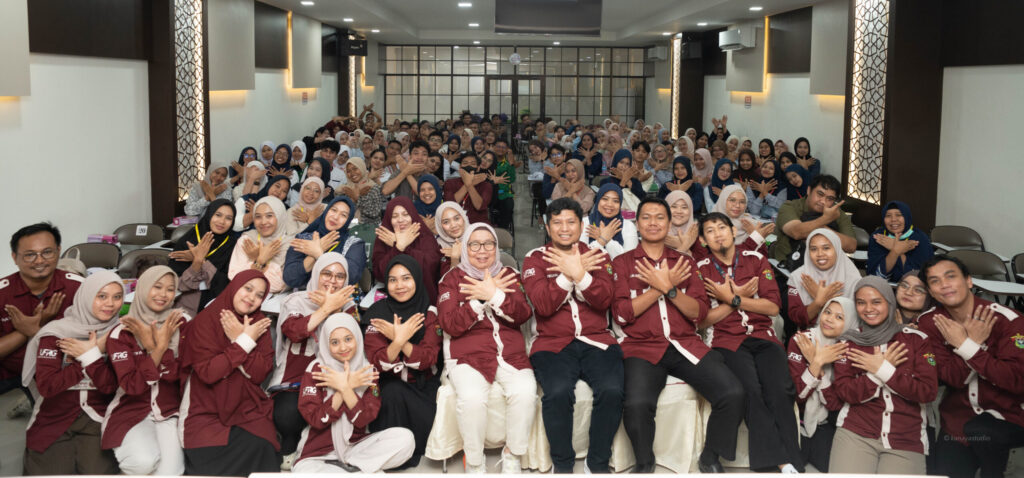
Beyond knowledge transfer, the practical session also created opportunities for participants from different institutions to establish academic connections and exchange experiences. This collaborative dimension aligns with SDG 17: Partnerships for the Goals, emphasizing the importance of strengthening partnerships and knowledge-sharing networks to support sustainable development.
The initiative also contributes indirectly to SDG 1: No Poverty by promoting equitable access to scientific education and research exposure. Providing students from diverse academic backgrounds with opportunities to engage with research expertise and laboratory-based learning can help strengthen human capital and expand access to educational resources that may otherwise be limited by institutional differences.
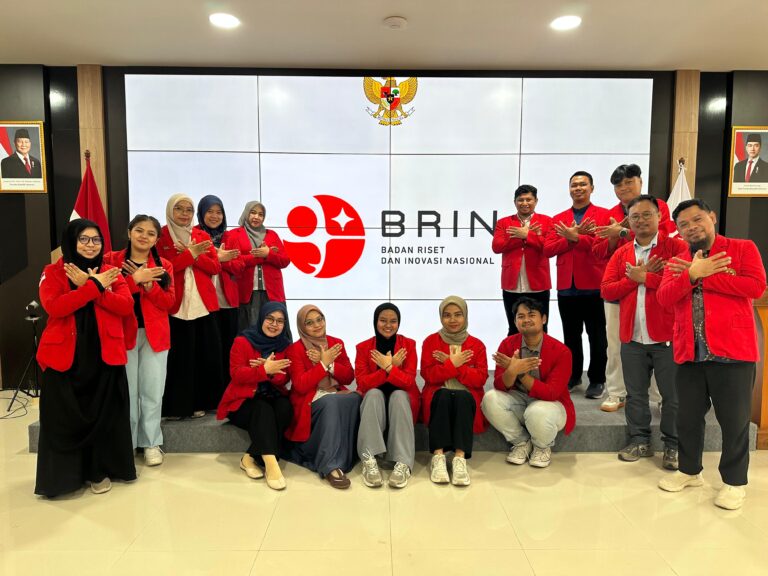
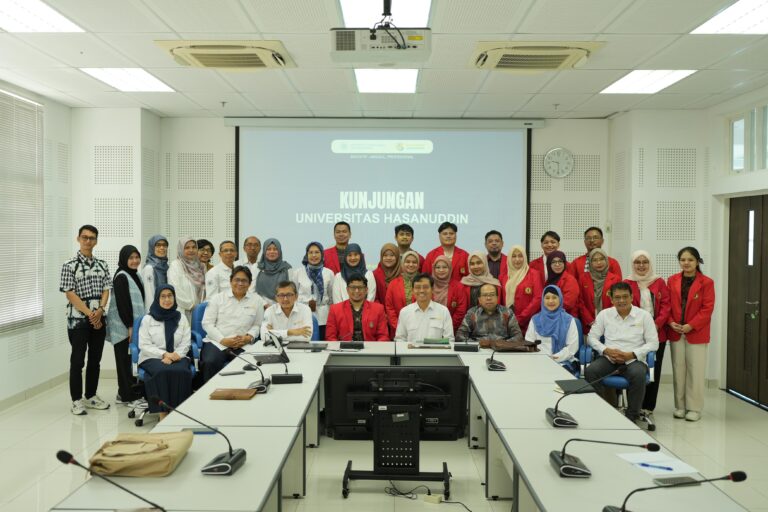
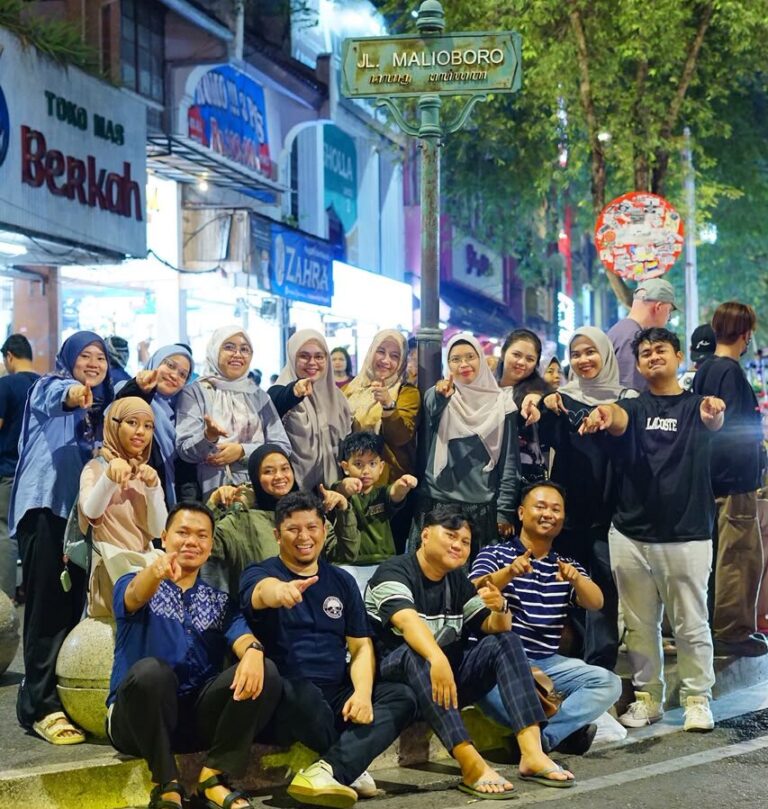
Overall, this two-day outreach program marked an important milestone for the UFRG, strengthening its commitment to impactful research dissemination and fostering closer academic engagement with the broader scientific community.