MAKASSAR, Indonesia, April 2026/UFRG/ ─ Can a natural compound found in everyday foods help us understand blood sugar regulation? Researchers explored this question by studying quercetin, a flavonoid commonly found in apples, onions, berries, and other plant-based foods.
Published in Scientifica by Wiley on March 1, 2026, the study “In Vivo and In Silico Analysis of Quercetin’s Effects on Glycemic Regulation” investigated how quercetin influences glucose regulation using the fruit fly, Drosophila melanogaster, alongside computer-based molecular analysis.
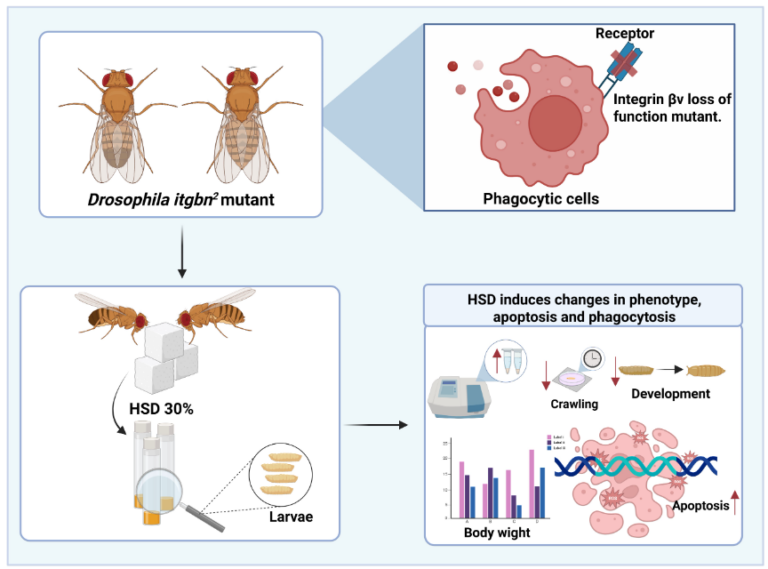
To model a high-sugar metabolic condition, researchers fed fruit-fly larvae a diet containing 30% sucrose. This diet increased glucose levels and affected body growth and movement. Interestingly, treatment with quercetin improved several of these abnormalities. Quercetin reduced glucose levels in both larvae and adult flies, with effects observed at 1–10 μM, without negatively affecting adult survival or locomotor activity.
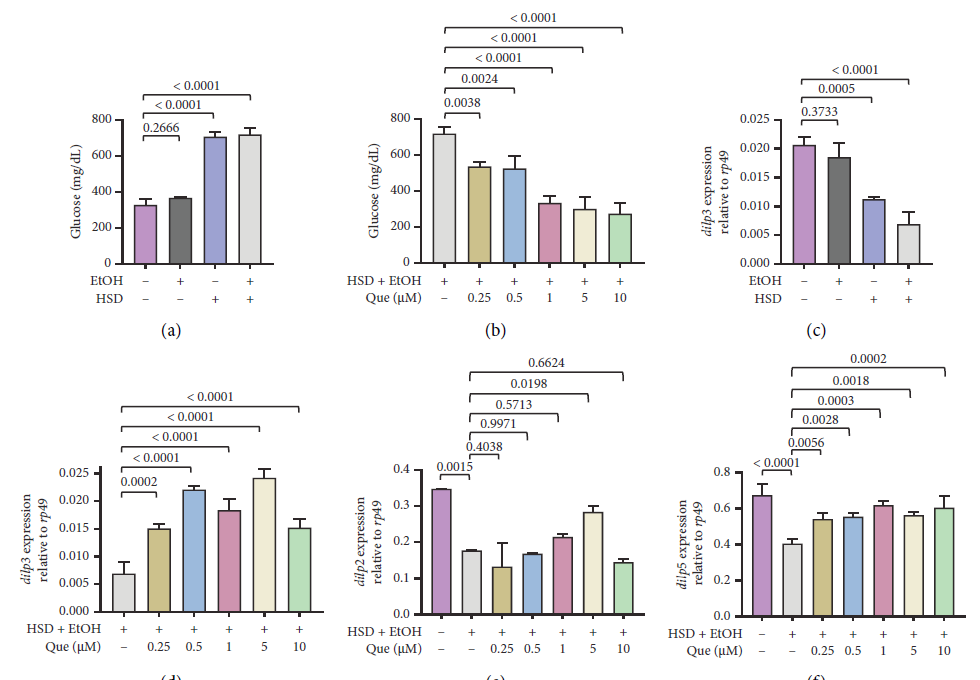
The researchers also examined genes involved in insulin-like signaling and metabolism. Quercetin helped restore the expression of dilp2, dilp3, and dilp5, genes that play important roles in glucose regulation in fruit flies. These findings suggest that quercetin may influence blood sugar not only by reducing glucose levels but also by modulating metabolic pathways.
To explore a possible molecular mechanism, the researchers used molecular docking, a computer-based method for predicting how molecules interact. Quercetin showed strong predicted binding to DPP4, an enzyme associated with glucose regulation, suggesting a potential pathway through which quercetin may exert its effects.
The study aligns with Sustainable Development Goal 3 (SDG 3): Good Health and Well-Being, particularly efforts to better understand metabolic disorders and explore potential strategies for improving health. It also highlights the value of Drosophila as a simple yet powerful model for uncovering biological mechanisms that may eventually inform human health research.
Reference
DOI:
https://doi.org/10.1155/sci5/5159975
Contact: Prof. Firzan Nainu
Email: firzannainu@unhas.ac.id
Mobile: +6282191310384