MAKASSAR, Indonesia, January 2026/UFRG/ ─ What can a tiny fruit fly teach us about high blood sugar? Surprisingly, quite a lot. Behind their small size, fruit flies share important biological pathways with humans, making them useful for studying diseases related to metabolism and immunity. Scientists are now using these tiny insects to explore a question that matters to human health: what happens to the body’s defenses when blood sugar stays too high?
The research in 2026, titled “Hyperglycemia-Induced Apoptosis and Phagocytosis Suppression in Drosophila,” was published in Trends in Sciences by Walailak University (1/1/2026). The study was published by the College of Graduate Studies, , and investigated how high blood sugar affects both cell survival and immune defense.
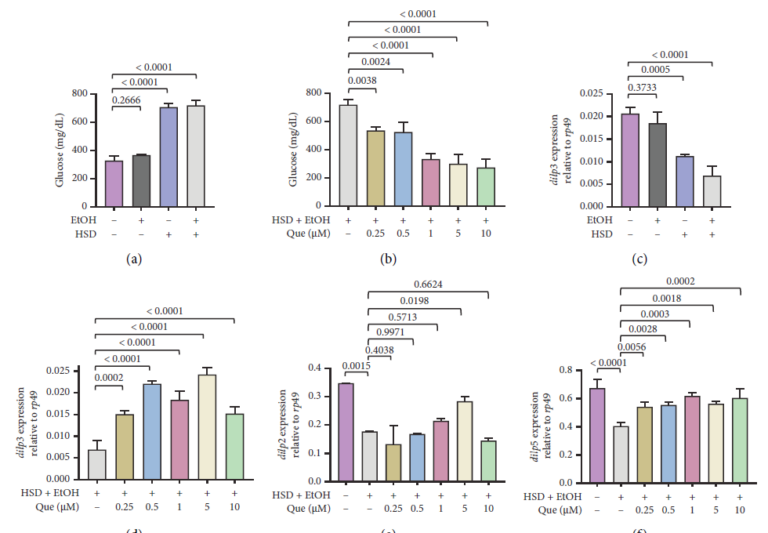
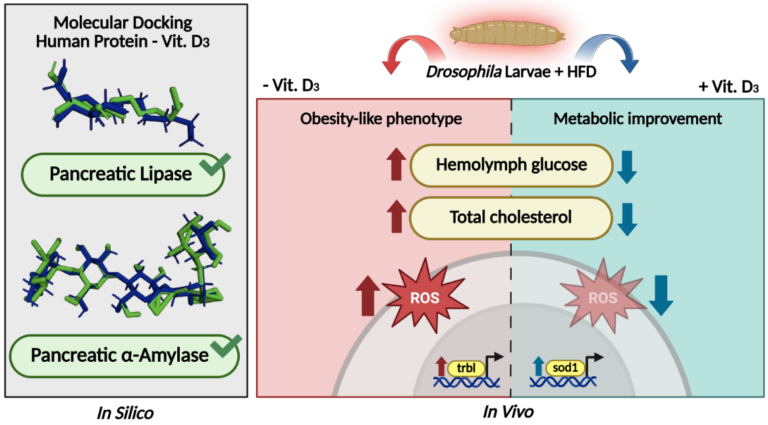
The researchers used Drosophila melanogaster, commonly known as the fruit fly, as a model organism. Although flies are tiny and very different from humans, they share several biological mechanisms involved in metabolism and innate immunity. By feeding the flies a high-sugar diet, the researchers created a condition resembling hyperglycemia and then observed changes in their development, movement, body weight, glucose levels, and immune-related genes.
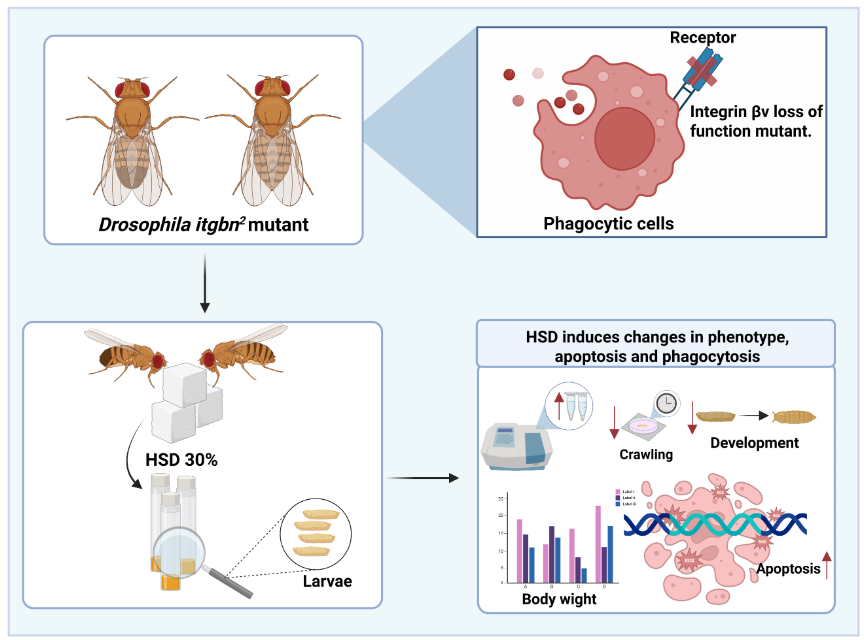
The results were striking. Flies exposed to the high-sugar diet had higher glucose levels, while their body weight, crawling ability, and progression through development were reduced. But the effects went beyond metabolism. The researchers found increased activity of genes associated with apoptosis, a natural process in which damaged or unnecessary cells are eliminated. In the mutant flies, the expression of rpr increased by about 21%, while grim increased by around 25%.
At the same time, one important gene involved in phagocytosis—the process by which immune cells remove dead cells and other unwanted material—was reduced by about 50% in normal flies. This suggests that persistent high blood sugar may not only harm cells but could also interfere with the body’s ability to clean up cellular damage.
These findings provide an important reminder that hyperglycemia is more than simply “too much sugar in the blood.” It may influence how cells survive and how the immune system maintains tissue health. This research therefore supports Sustainable Development Goal 3 (SDG 3): Good Health and Well-being, by contributing to a better understanding of biological processes that may underlie diabetes-related complications.
Overall, the study offers an important starting point for understanding how high blood sugar may affect the body’s natural defenses and potentially for identifying new strategies to protect health in people living with hyperglycemia.
Reference
DOI:
https://doi.org/10.48048/tis.2026.11170
Contact: Prof. Firzan Nainu
Email: firzannainu@unhas.ac.id
Mobile: +6282191310384