
MAKASSAR, Indonesia, April 2025/UFRG/ ─ High blood sugar is often associated with diabetes, but the real danger lies in what happens afterward. When glucose remains elevated for long periods, it gradually damages blood vessels, nerves, kidneys, and the eyes, making diabetes one of the world’s fastest-growing chronic diseases.
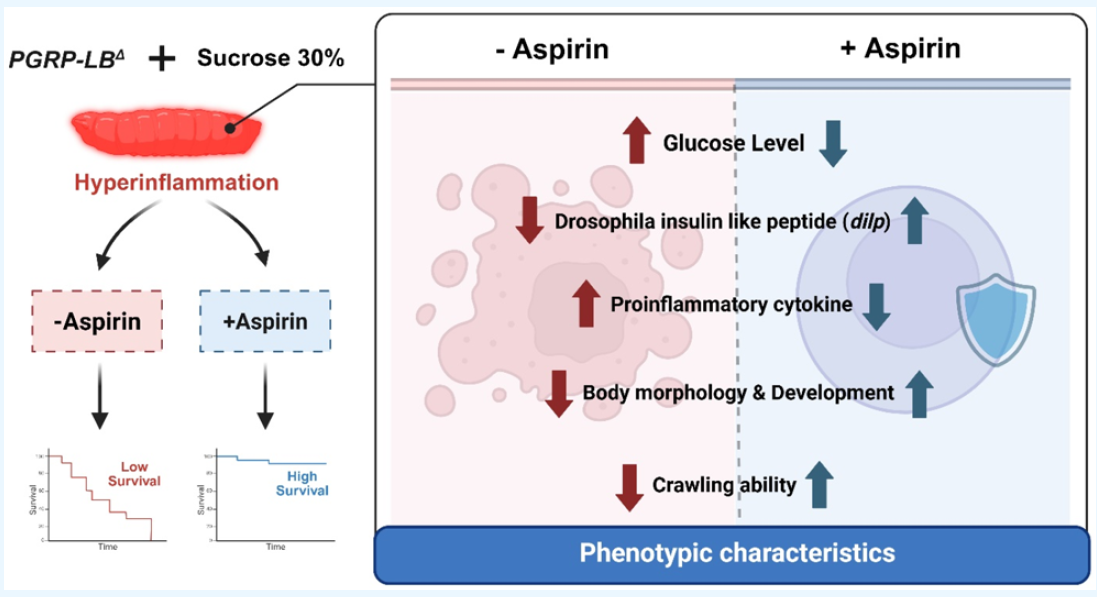
Current diabetes treatments have been associated with various adverse effects, driving the search for safer antidiabetic therapies from natural compounds and the repurposing of existing medicines. How do these compounds alleviate hyperglycemia? Their underlying mechanisms are comprehensively explored in two publications: “In Silico and In Vivo Investigation of the Anti-Hyperglycemic Effects of Caffeic Acid” and “Aspirin-Mediated Reduction of Glucose Level and Inflammation in Drosophila melanogaster” published in ACS Omega by the American Chemical Society (ACS Publications) on April 1 and April 29, 2025, respectively.
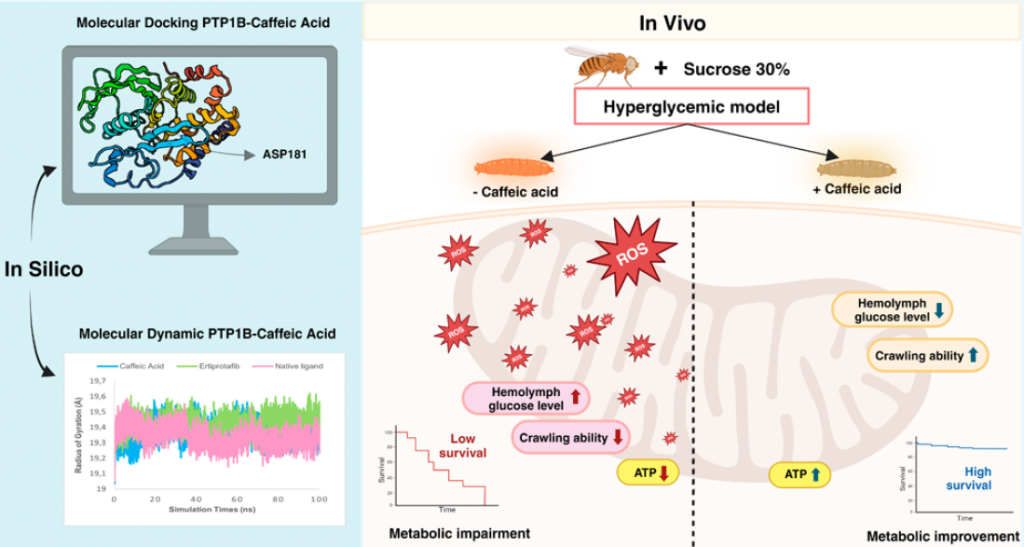
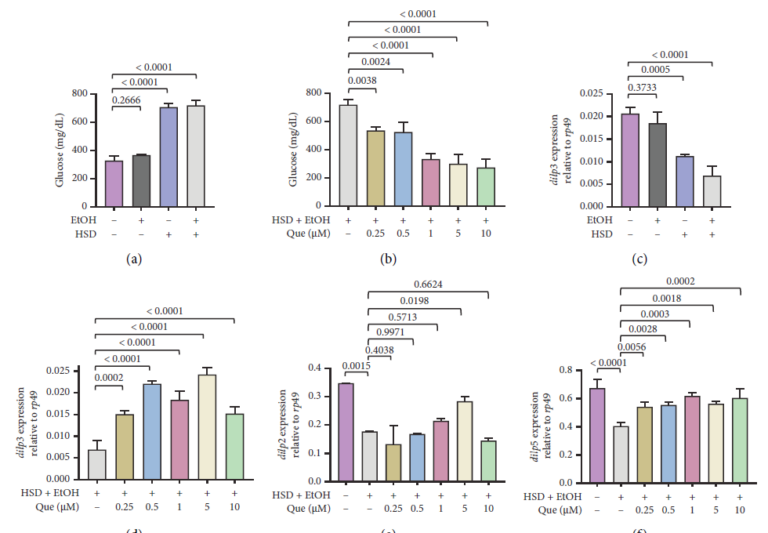
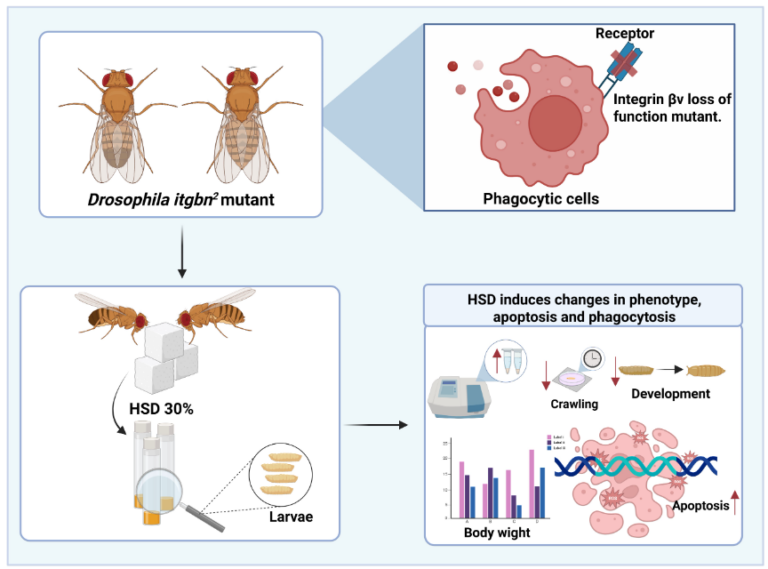
Can fruit flies develop diabetes-like symptoms? Surprisingly, yes. This study successfully created a hyperglycemia model in Drosophila, revealing that continuous exposure to a high-sugar diet causes larvae to develop persistently elevated glucose levels, remarkably similar to what occurs in humans. By mimicking this metabolic condition, the model became a powerful platform for testing the antidiabetic potential of caffeic acid and aspirin.
Why fruit flies instead of mice?
At first glance, using fruit flies to study diabetes may sound surprising. Yet Drosophila melanogaster has become one of the world’s most valuable biomedical models.
Although flies do not have a pancreas, they possess insulin-producing cells and insulin-like proteins that function similarly to human insulin signaling. Around 75% of human disease-related genes have functional counterparts in fruit flies, making them remarkably useful for studying metabolic disorders while reducing dependence on mammalian experiments. This also aligns with the 3R principle in biomedical research: Replacement, Reduction, and Refinement, promoting more ethical approaches to animal experimentation. By advancing cost-effective and ethically responsible approaches to understanding metabolic diseases, the use of Drosophila contributes to SDG 3: Good Health and Well-being, while supporting more sustainable biomedical research practices.
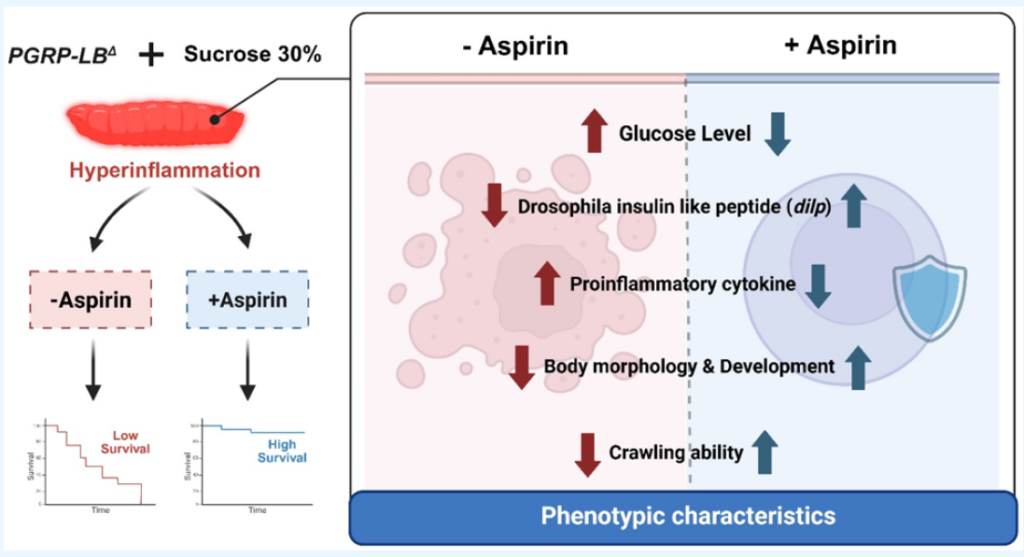
How it works
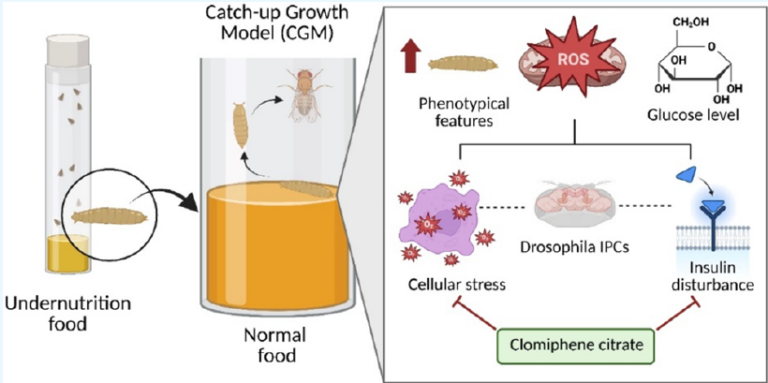
Using this model, the researchers found that caffeic acid restored glucose balance by targeting metabolic regulators involved in insulin signaling and reducing cellular stress, leading to lower glucose levels and healthier larval growth. Aspirin tackled a different side of the disease by calming chronic inflammation, which in turn improved insulin-related signaling and protected normal development. Together, these studies highlight how Drosophila melanogaster can serve as a powerful, cost-effective model for uncovering the complex links between glucose metabolism and inflammation, while accelerating the search for potential diabetes therapies.
Reference
DOI:
https://doi.org/10.1021/acsomega.4c11062;
https://doi.org/10.1021/acsomega.4c11509
Contact: Prof. Firzan Nainu
Email: firzannainu@unhas.ac.id
Mobile: +6282191310384