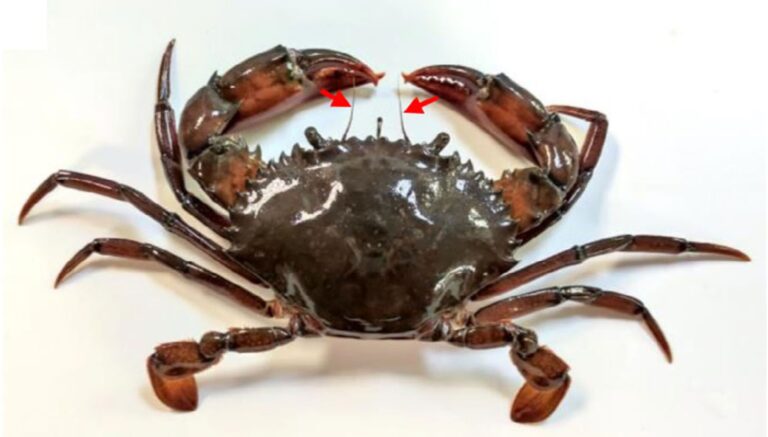

In the vibrant coastal waters of Parepare Bay, South Sulawesi, Indonesia, a quiet crisis is unfolding beneath the waves. The Blue Swimming Crab (Portunus pelagicus), locally valued both as a seafood staple and a multi-million-dollar export commodity, is facing severe pressure from overfishing. A comprehensive study published on July 23, 2026, in the journal Aquat. Living Resour. by publisher EDP Sciences 2026, titled “Overexploitation of Blue Swimming Crab (Portunus pelagicus) in Parepare Bay, Indonesia: implications for sustainable fisheries management” by Henry D. Legett and colleagues, reveals an alarming reality about this vital marine resource.
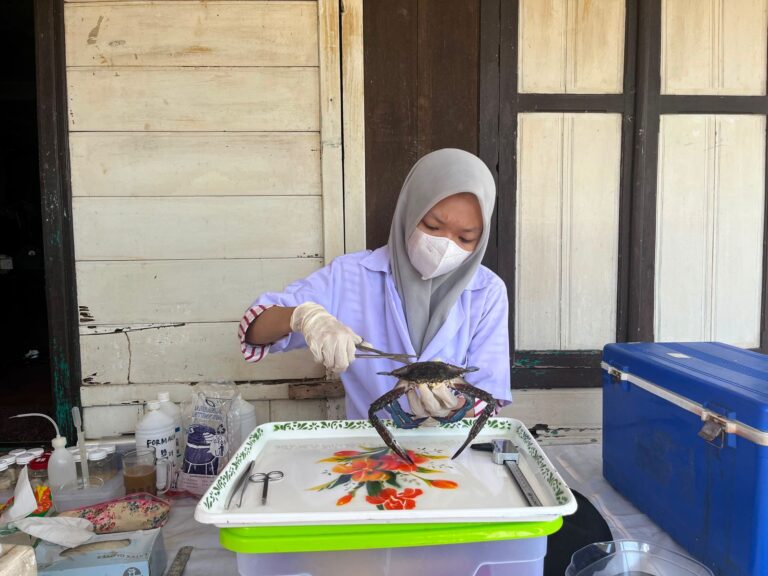
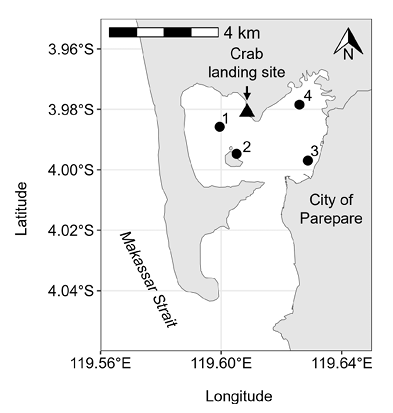
The researchers conducted a year-long assessment from July 2023 to June 2024, examining harvested crabs at landing sites and collecting unharvested populations directly from the bay using traditional traps. Their findings showed that the average shell size (carapace width) for both male and female crabs was only about 10 centimeters. Crucially, roughly 50% of the harvested crabs were captured before they had even reached sexual maturity.
To evaluate the overall health of the crab stock, the scientific team measured the Spawning Potential Ratio (SPR)—an indicator of how many reproductive-sized crabs remain in the wild compared to an unfished population. While safe management guidelines recommend maintaining an SPR between 20% and 30%, Parepare Bay recorded critically low numbers ranging from just 4% to 9%. Furthermore, 21% of the harvested females carried eggs, indicating that fishing activities are actively removing breeding mothers before they can replenish the population. The study also found that other swimming crab species, such as Charybdis anisodon and Thalamita crenata, dominate the local community and likely prey on young blue crabs, further increasing juvenile mortality.
This ecological strain directly connects to Sustainable Development Goal 14 (SDG 14: Life Below Water), which calls for the conservation and sustainable use of oceans, seas, and marine resources. The severe depletion of young crabs and egg-bearing females in Parepare Bay highlights an urgent need for stronger marine stewardship. Without intervention, the collapse of local stocks will disrupt fragile marine ecosystems and jeopardize the livelihoods of over 250,000 workers who rely on Indonesia’s crab fishery.
Addressing this problem requires immediate, collaborative action. Solutions must focus on strictly enforcing existing catch size limits, protecting shallow nearshore nursery habitats, introducing escape vents in fishing gear, and implementing community-based stock enhancement programs. By safeguarding Parepare Bay’s blue swimming crabs, we take a vital step toward fulfilling SDG 14 and ensuring that our ocean resources remain plentiful for generations to come.
Article Metadata
- Article Title: Overexploitation of Blue Swimming Crab (Portunus pelagicus) in Parepare Bay, Indonesia: implications for sustainable fisheries management
- Journal Name: Aquat. Living Resour
- Publisher: EDP Sciences 2026
- Publication Date: 23 July 2026