
Makassar, Indonesia, August 22, 2026 /Tropicrab/ – In the bustling world of coastal wetlands, mud crabs of the genus Scylla are key players. They are not only a culinary treasure but also vital components of mangrove ecosystems. However, for those of us observing them from the surface, these crabs are often mysterious. How do they navigate their environment, find mates, or detect danger in murky, tidal waters? The answer often lies in their antennae—the specialized sensory tools they use to “see” the world through touch and chemical signals.
A new, fascinating study titled “A comparative study on the antennae morphology and ultrastructure of three mud crab species of the genus Scylla from Setiu Wetlands, Terengganu, Malaysia,” published in the journal Microscopy Research and Technique by Wiley Periodicals LLC on February 10, 2024, dives deep into the microscopic world of these sensory organs. By comparing three common species—Scylla olivacea, Scylla tranquebarica, and Scylla paramamosain—researchers have uncovered that these crabs aren’t as identical as they appear.
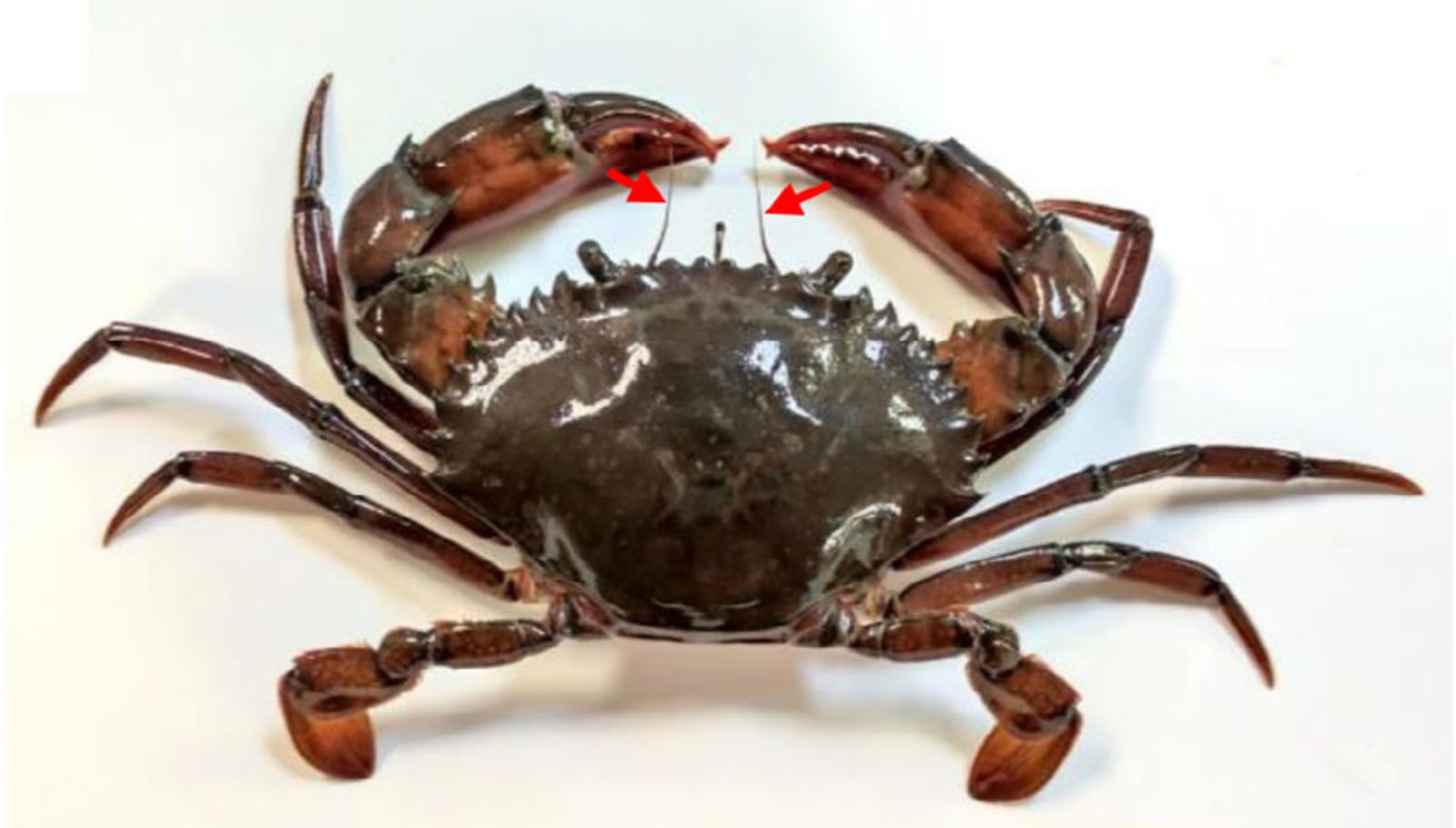
Using high-resolution light and scanning electron microscopy, the team found that while all three species share a basic “design”—tapered segments with outward-pointing, non-branched sensory hairs called setae—there are distinct differences between them. For instance, Scylla paramamosain boasts a significantly higher number of antenna segments compared to Scylla olivacea. Furthermore, Scylla tranquebarica features a rougher, “spiny” surface texture on its antennae, unlike the smoother, wrinkled surfaces seen in its relatives.
Why do these differences matter? Scientists believe these structural variations are more than just physical quirks; they are likely evolutionary adaptations to the specific habitats each crab calls home. Differences in segment number and surface texture may allow these species to better perceive their surroundings, from detecting slight water vibrations to sensing food or potential mates in different salinity levels and mangrove conditions.
This research aligns beautifully with SDG 14: Life Below Water, which calls for the sustainable conservation of marine ecosystems. By understanding the sensory biology of mud crabs, we can manage their habitats more effectively. This knowledge is crucial for conservationists and aquaculture farmers alike—helping them understand how environmental changes, such as water quality shifts or habitat degradation, might impact the crabs’ ability to thrive.
As we move forward, these microscopic findings act as a foundational reference for taxonomic classification and behavioral studies. By unlocking the secrets of the mud crab’s “hidden” sensory world, we gain a deeper appreciation for the complex life of these animals, ensuring that our management strategies remain as sophisticated as the creatures we aim to protect.
Article Metadata:
- Article Title: A comparative study on the antennae morphology and ultrastructure of three mud crab species of the genus Scylla from Setiu Wetlands, Terengganu, Malaysia
- Journal Name: Microscopy Research and Technique (Microsc Res Tech)
- Publisher: Wiley Periodicals LLC
- Date of Publication: February 10, 2024