
By: Yushinta Fujaya
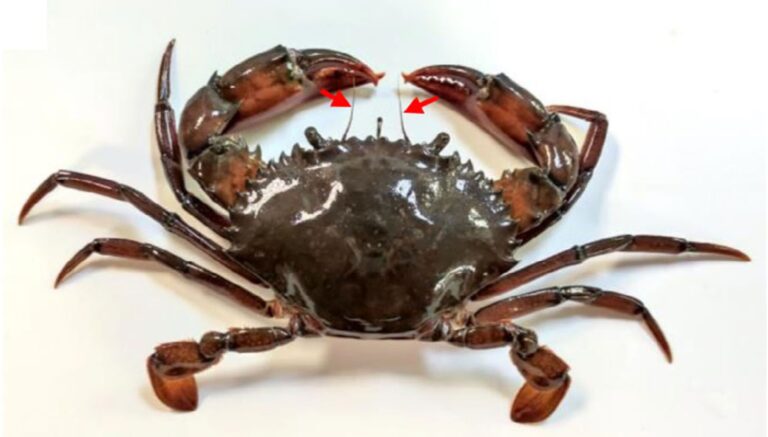
Makassar, Indonesia, August 22, 2026 /Tropicrab/ – The blue swimming crab (Portunus pelagicus) is more than just a staple of coastal menus; it is a pillar of Indonesia’s economy. With millions of dollars in export value, this crustacean supports thousands of livelihoods, from local fishermen to global exporters. However, this popularity comes at a price. Increasing fishing efforts have raised serious concerns about over-exploitation, threatening the future of these precious crab populations.
To protect this vital resource, we need more than just regulations—we need deep, scientific insights into how these crabs live and reproduce. A recently published study titled “Blue swimming crab Portunus pelagicus, Linnaeus, 1758 in Pare Pare Bay, South Sulawesi, Indonesia: Study of reproduction and breeding potential,” featured in the Egyptian Journal of Aquatic Research by Elsevier on September 15, 2025, provides a vital baseline for understanding these creatures.
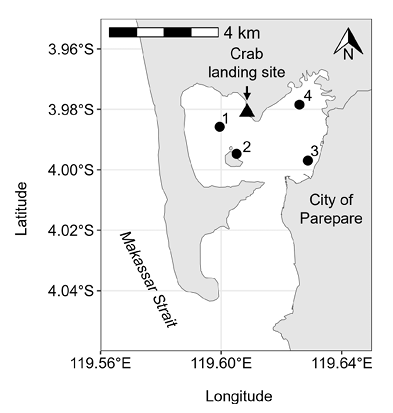
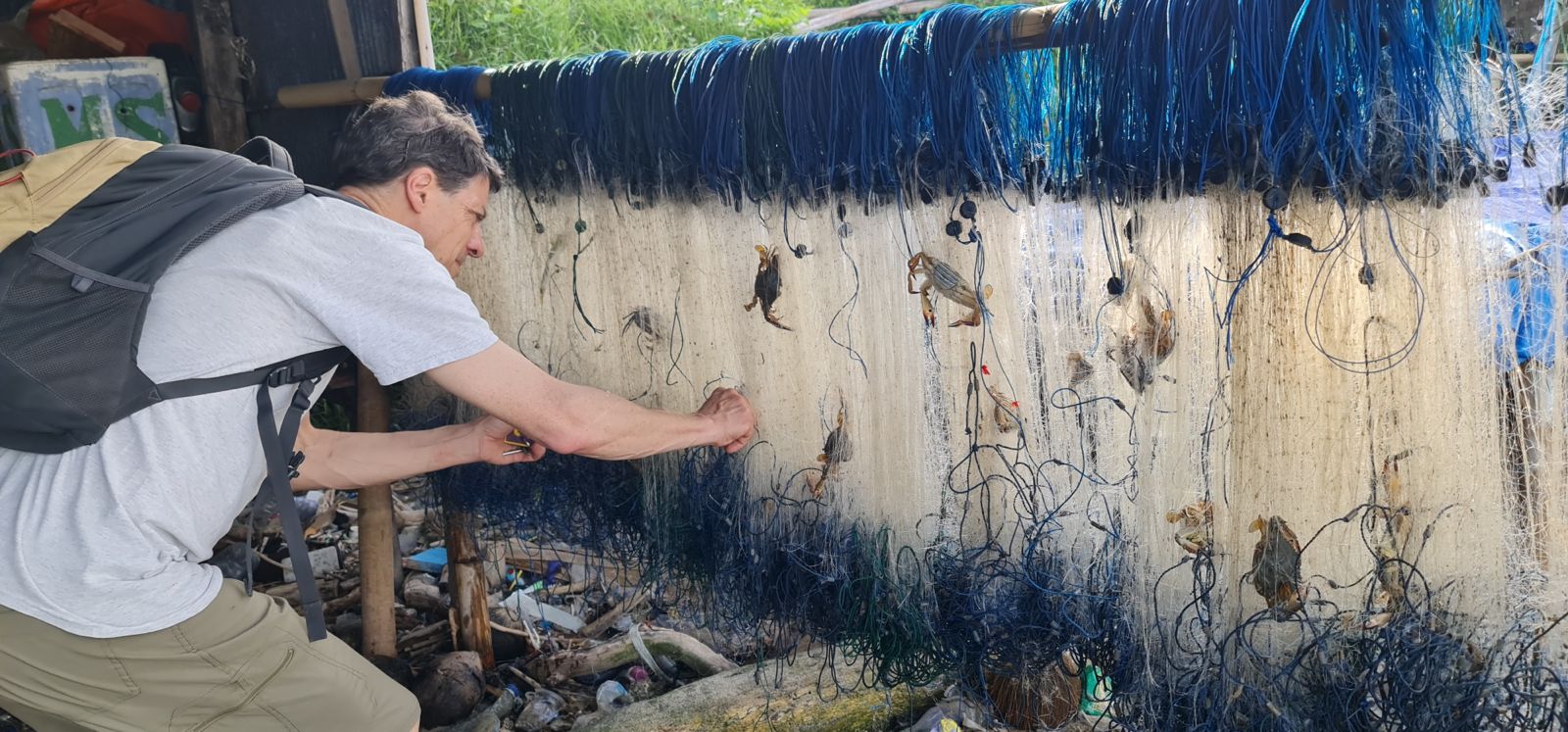
By analyzing over 5,700 crabs in Pare Pare Bay over the course of a year, researchers uncovered fascinating details about the crabs’ social and reproductive lives. They found that males consistently outnumbered females, with a ratio of 1.4 to 1. Interestingly, this balance shifts with the seasons; warmer water temperatures seem to favor a higher male population. Furthermore, the study confirmed that these crabs spawn year-round, which is a significant evolutionary advantage, allowing the population to remain resilient even when conditions change.
The research also revealed the impressive reproductive power of these crabs. Larger females were found to carry a staggering number of eggs—ranging from over 100,000 to nearly 1.5 million eggs per crab. This high reproductive potential is a beacon of hope for sustainable management.
Why is this science so critical? This research directly supports SDG 14 (Life Below Water), which aims to conserve and sustainably use the oceans, seas, and marine resources. By understanding the “spawning season” and the relationship between crab size and egg production, we can design smarter, more effective conservation policies—such as protecting key spawning grounds or setting science-based harvest limits.
Understanding the life cycle of the blue swimming crab is not just an academic exercise; it is the foundation for safeguarding our marine heritage. By blending traditional local knowledge with rigorous scientific data, we can ensure that these vibrant crab populations continue to thrive, supporting both our coastal economies and the health of our oceans for generations to come.
Metadata Article Source:
Date of Publication: September 15, 2025
Article Title: Blue swimming crab Portunus pelagicus, Linnaeus, 1758 in Pare Pare Bay, South Sulawesi, Indonesia: Study of reproduction and breeding potential
Journal Name: Egyptian Journal of Aquatic Research
Publisher: Elsevier