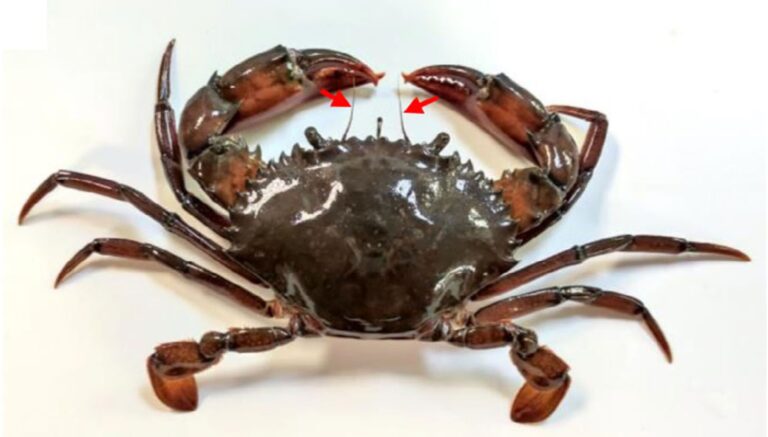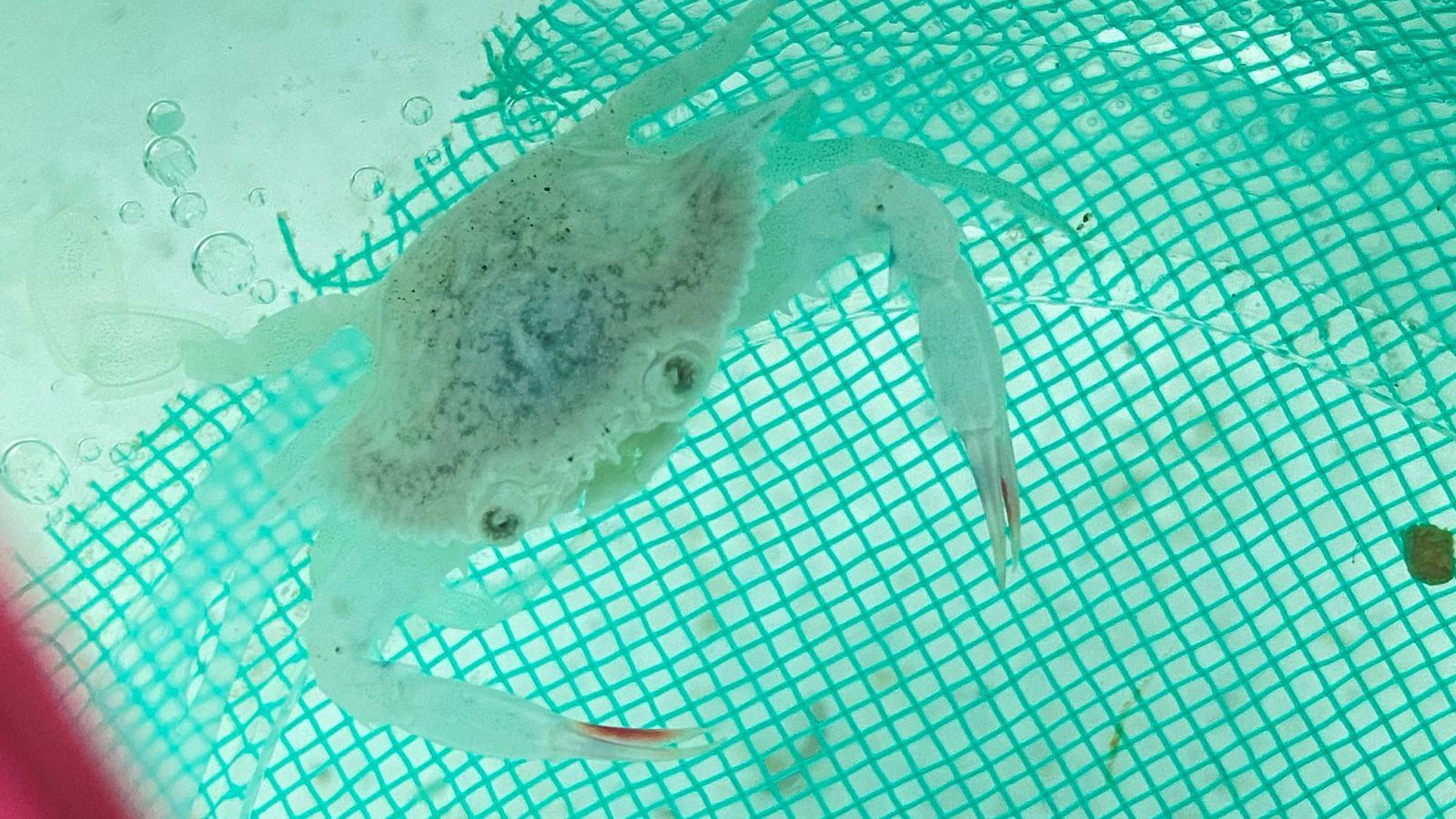

Makassar, Indonesia, August 22, 2026 /Tropicrab/ – The blue swimming crab (Portunus pelagicus) is a culinary favorite and a vital economic driver for coastal communities across Indonesia and Southeast Asia. Yet, behind every delicious plate lies a significant challenge: the “nursery bottleneck.” In the early juvenile stages, crabs must frequently shed their exoskeletons—a process called molting—to grow. Unfortunately, many crabs fail to survive this delicate transition, leading to high mortality rates that threaten both the livelihoods of farmers and the stability of the global seafood supply.
Could the secret to a thriving crab industry be found in the ocean’s own backyard? A promising new study suggests that seaweed might just be the “superfood” needed to revolutionize crab aquaculture.
In a recent paper titled “Seaweed Innovations for Blue Swimming Crab Aquaculture: Improving Molting, Growth, Feed Conversion Ratio, and Survival Rates,” published in the BIO Web of Conferences (Vol. 185, 08001, 2025) on August 14, 2025, researchers explored how natural extracts from two common types of seaweed—Sargassum (brown algae) and Kappaphycus (red algae)—can supercharge crab development.
The research team found that by incorporating hot-water Sargassum extract into feed at a precise dose of 4 grams per kilogram, they could significantly stimulate molting success. However, the true innovation came when they coated this treated feed with a gel made from Kappaphycus. This gel acts as a natural “biofilm,” a protective shield that ensures the nutritious, growth-promoting compounds in the Sargassum don’t wash away in the water before the crab can eat them.
The results were remarkable. The crabs not only molted more successfully but also showed improved growth rates and better feed efficiency, meaning they converted their food into body mass more effectively. Perhaps most importantly, every single treatment achieved a 100% survival rate, proving that these natural seaweed additions are safe and highly effective.
This breakthrough is a major win for SDG 14: Life Below Water. By making crab farming more efficient and reducing the high mortality rates during the nursery phase, this innovation helps minimize the pressure on wild crab populations. When aquaculture becomes more productive and reliable, it reduces the need for heavy reliance on wild-caught stocks, allowing marine ecosystems to recover and flourish. Furthermore, by utilizing abundant, renewable seaweed resources, this approach promotes a circular, low-impact method of food production that aligns with the global vision for a sustainable blue economy.
As we continue to seek innovative ways to feed a growing world, these “seaweed solutions” demonstrate that sometimes, the most advanced answers to modern agricultural problems are those we find hiding in plain sight beneath the waves.
Article Metadata:
- Article Title: Seaweed Innovations for Blue Swimming Crab Aquaculture: Improving Molting, Growth, Feed Conversion Ratio, and Survival Rates
- Publication: BIO Web of Conferences 185, 08001 (2025)
- Publisher: BIO Web of Conferences
- Date of Publication: August 14, 2025