
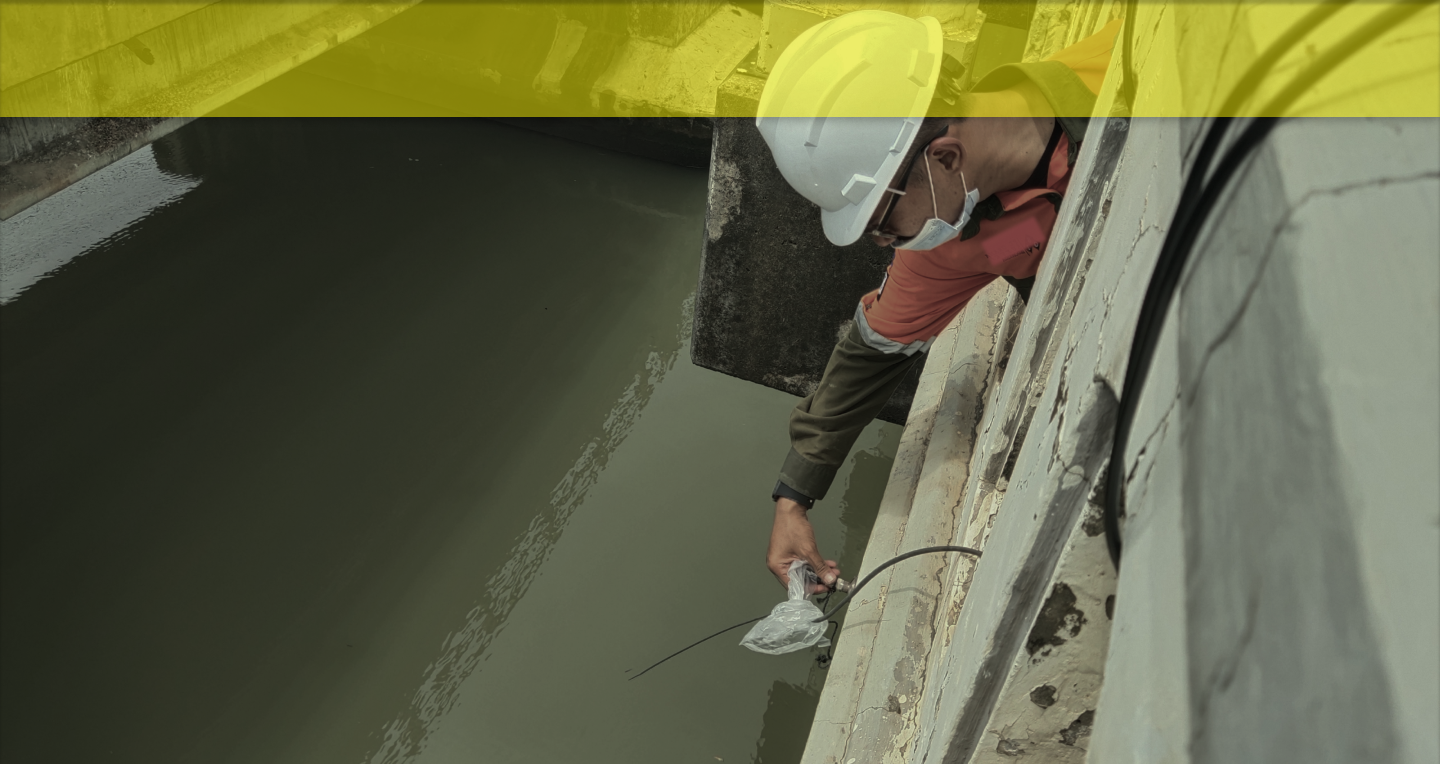
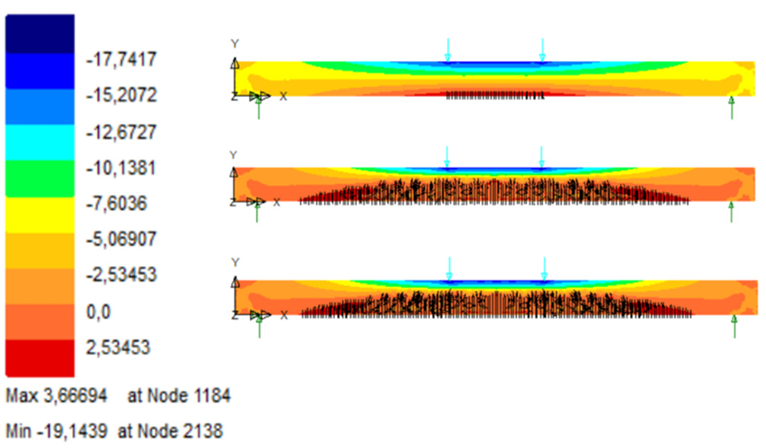
GOWA, Indonesia Jun 03 2026/SMSRG/ – Bridges are vital components of modern infrastructure, quietly supporting daily mobility and economic activity. Yet, ensuring their safety remains a major engineering challenge, especially in regions with rapidly expanding infrastructure. A recent scientific study offers a practical and innovative approach to this issue—by “listening” to what cracks in concrete structures can tell us.
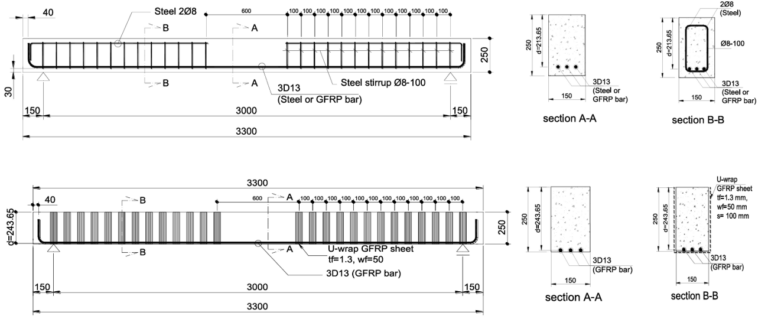
GOWA, Indonesia Jun 03 2026/SMSRG/ – Concrete cover is usually considered essential in reinforced concrete. It protects steel reinforcement from moisture, corrosion, and environmental damage. But what happens if a beam could be designed without conventional concrete cover while still maintaining—or even improving—its structural performance?
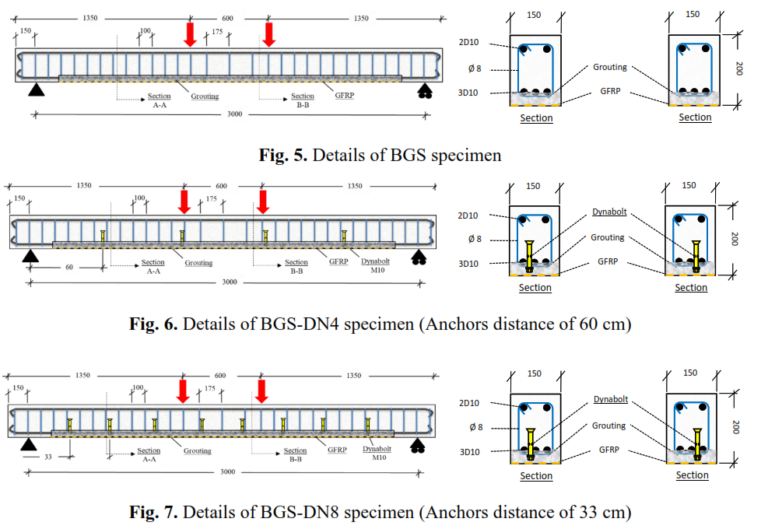
GOWA, Indonesia Jun 03 2026/SMSRG/ – Concrete beams are expected to carry loads safely for many years. But when corrosion damages the steel reinforcement, concrete can begin to crack and fall away. This process, known as spalling, can leave a beam with less reinforcement and a weakened ability to carry loads. Repairing the visible damage is therefore only part of the challenge. The repaired materials must also work together as one structural system.
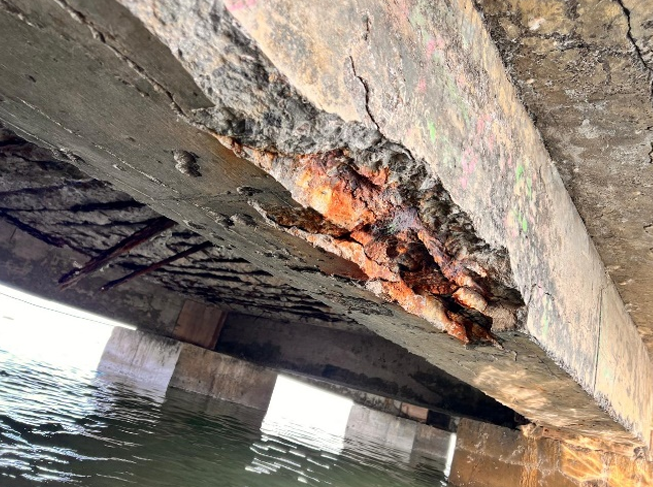
GOWA, Indonesia Jun 03 2026/SMSRG/ – Reinforced concrete is one of the most widely used materials in buildings, bridges, and other infrastructure. But like any material, it can deteriorate over time. Cracks, corrosion, concrete spalling, and previous repair work can weaken a structural member and raise an important question: should we replace it, or can we give it a second chance?
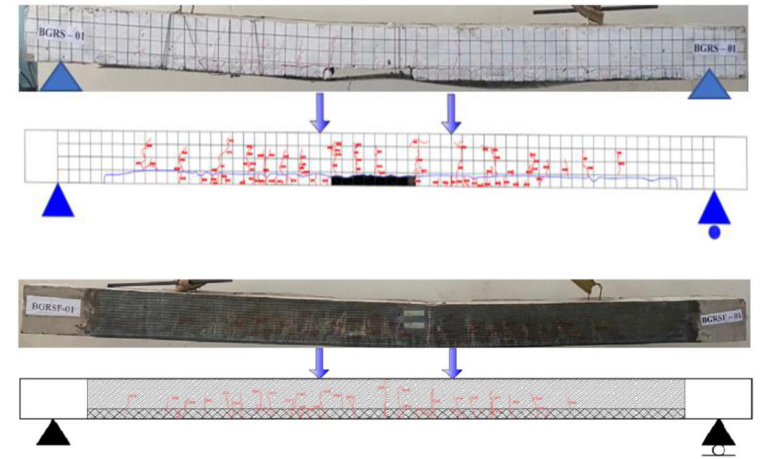
GOWA, Indonesia Jun 03 2026/SMSRG/ – Concrete structures are built to last, but time, moisture, and corrosion can slowly turn a strong beam into a serious safety concern. One of the most visible signs is spalling—when pieces of concrete break away and expose the steel reinforcement inside. What looks like surface damage may actually indicate that the structure has already begun to lose its strength.
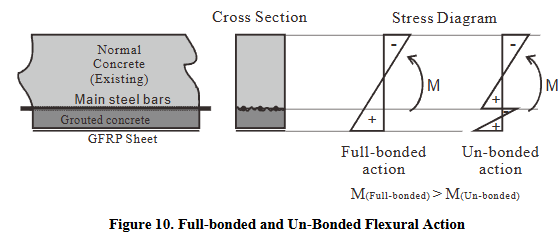
GOWA, Indonesia Jun 03 2026/SMSRG/ – A reinforced concrete beam can appear strong and reliable for decades. But hidden inside the concrete is a vulnerable component: steel reinforcement. When moisture and chlorides reach the steel—especially in structures near the sea—the reinforcement can begin to corrode. As corrosion progresses, the steel expands, cracks the surrounding concrete, and can eventually cause the concrete cover to break away.
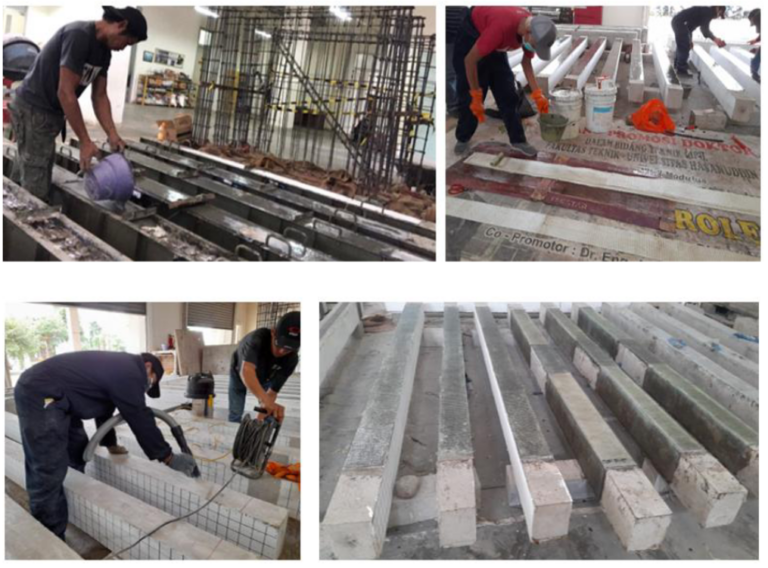
GOWA, Indonesia Jun 03 2026/SMSRG/ – A reinforced concrete beam may look solid and dependable, but its real strength depends on what happens beneath the surface. When concrete begins to break away and the steel reinforcement inside can become exposed. Once exposed to moisture and other aggressive environmental conditions, the steel may corrode, weakening the very system designed to carry the load.
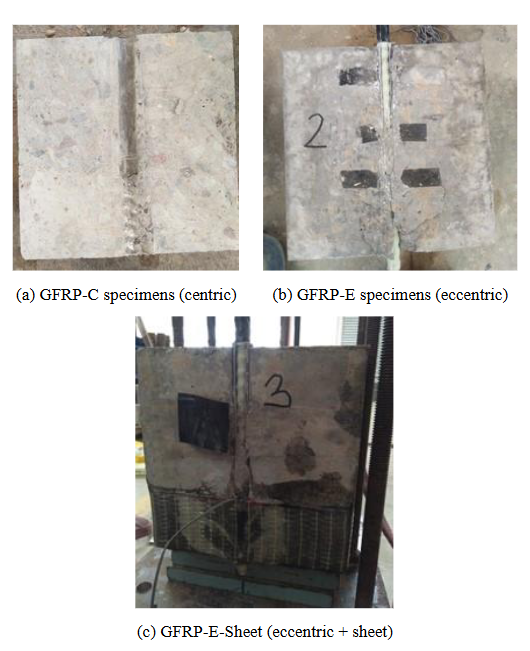
GOWA, Indonesia Jun 03 2026/SMSRG/ – When we look at a reinforced concrete beam, we usually notice the concrete and the reinforcement bars. But there is an invisible connection between them that is just as important: bond. Bond allows forces to move from the concrete into the reinforcement and back again. Without sufficient bond, a reinforcement bar may slip inside the concrete, preventing the structure from behaving as intended. This becomes particularly important when conventional steel reinforcement is replaced by Glass Fiber Reinforced Polymer (GFRP) bars.