GOWA, Indonesia Jun 03 2026/SMSRG/ – Concrete beams are expected to carry loads safely for many years. But when corrosion damages the steel reinforcement, concrete can begin to crack and fall away. This process, known as spalling, can leave a beam with less reinforcement and a weakened ability to carry loads. Repairing the visible damage is therefore only part of the challenge. The repaired materials must also work together as one structural system.
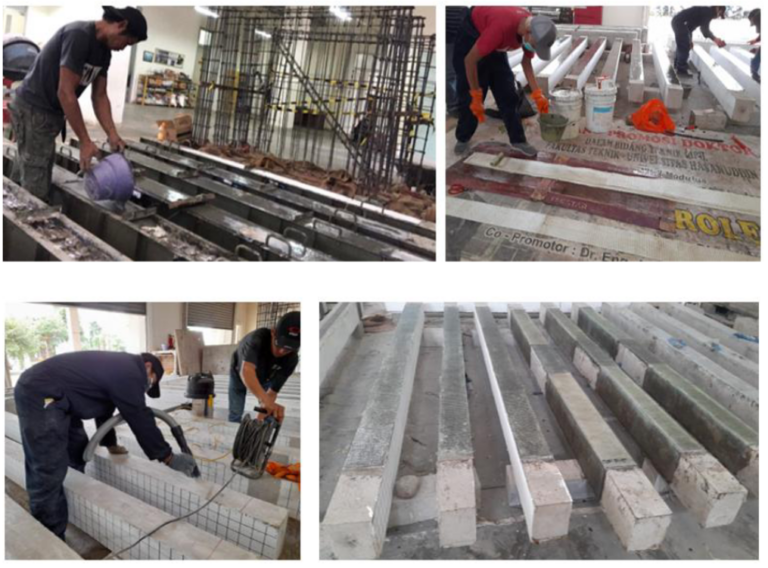
A study titled “Flexural Performance of Repaired RC Beams with Grouting and GFRP Sheet Equipped with Anchors”, published in Key Engineering Materials on 14 May 2024, investigated an innovative approach to this problem. The researchers combined grouting mortar, Glass Fiber Reinforced Polymer (GFRP) sheets, and mechanical Dyna-Bolt anchors to repair and strengthen corrosion-damaged reinforced concrete beams.
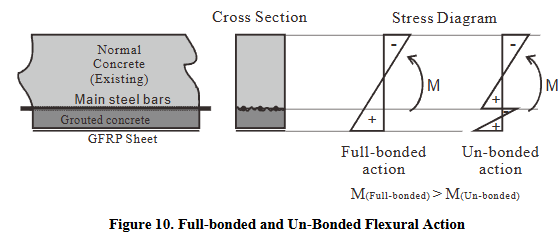
Why are anchors important? Imagine repairing a broken wall by placing a new layer of material over the old one. If the connection between the two layers is weak, the new material may separate when the wall is loaded. A similar problem can occur when damaged concrete is repaired. Even if the repair material is strong, poor bonding between the existing concrete and the new material can lead to delamination, reducing the effectiveness of the repair.
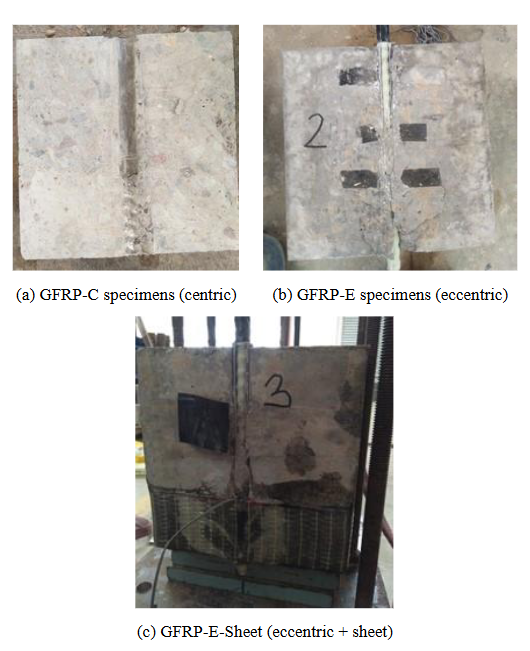
The researchers tested eight reinforced concrete beams measuring 150 × 200 mm in cross-section and 3,300 mm in length. The specimens included reference beams and beams repaired using grouting and GFRP sheets. Additional specimens received either four or eight Dyna-Bolt anchors at the connection between the existing concrete and the repaired region. The beams were then tested under four-point loading to evaluate their flexural performance.
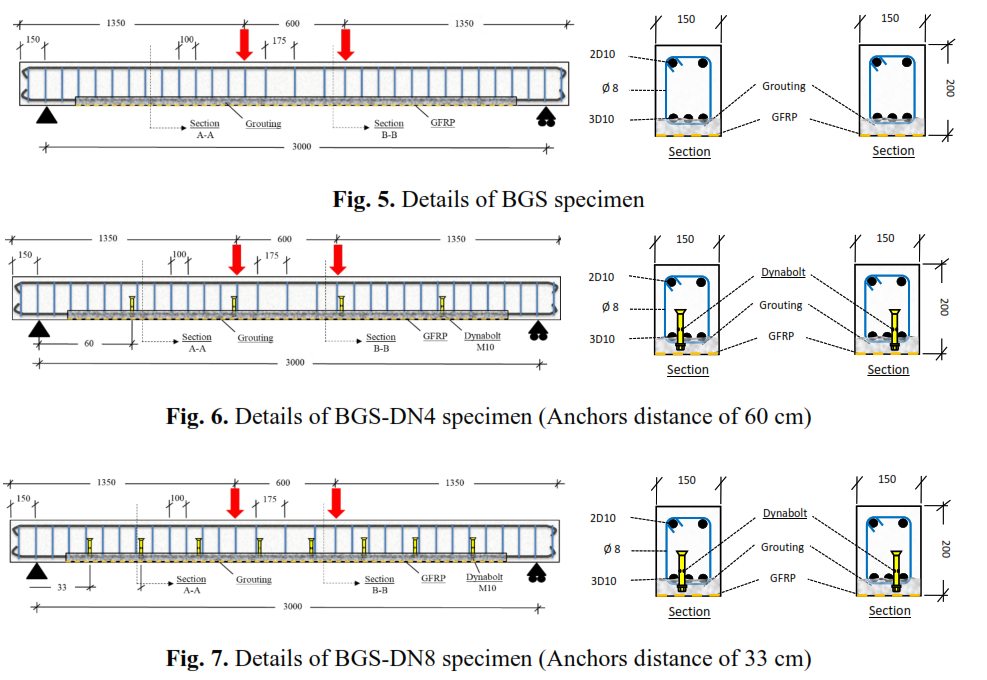
The results were particularly encouraging. The beam repaired with grouting, GFRP sheets, and four Dyna-Bolt anchors achieved a maximum load 61% higher than the reference beam. More importantly, the anchors improved the connection between the existing concrete and the repair material, helping prevent delamination during loading.
Interestingly, adding more anchors was not necessarily the main objective. The study compared four-anchor and eight-anchor configurations, showing that repair performance depends not simply on adding more components, but on how the repair system is designed to transfer forces effectively between the old and new materials.
This research has practical meaning for bridges, buildings, and other aging concrete infrastructure. Instead of immediately replacing a damaged beam, engineers can investigate whether targeted repair and strengthening can restore its structural performance. Such approaches can reduce unnecessary reconstruction and help extend the useful life of existing infrastructure.
The research supports Sustainable Development Goal 3 (SDG 3): Good Health and Well-Being, because safer structural rehabilitation helps protect people who depend on buildings and infrastructure. It also contributes to Sustainable Development Goal 11 (SDG 11): Sustainable Cities and Communities, by supporting the rehabilitation of existing infrastructure and promoting more resilient communities.
The lesson is simple: a successful repair is not only about strong materials. It is about creating a strong connection between them. In this study, a small but important component—the anchor—helped transform a repair system into a more effective structural solution, demonstrating how thoughtful engineering can give damaged concrete structures a stronger second life.
Reference:
DOI: https://doi.org/10.4028/p-6GfAcT
Contact:
Prof. Rudy Djamaluddin
+62-811-4666-10
rudy0011@gmail.com