


Description
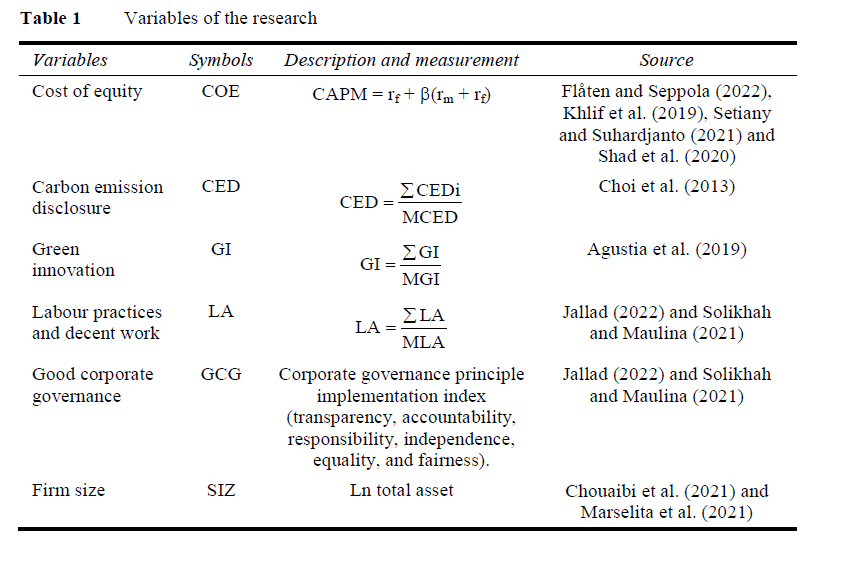
This research was designed to examine the effect of carbon emission disclosure (CED), green innovation (GI), and labor practices and decent work (LA) on the cost of equity (COE) with good corporate governance (GCG) as a moderating variable. The research samples included 74 mining and manufacturing firms listed on the Indonesia Stock Exchange between 2021 and 2022. The result suggests that CED, GI, and LA have a negative effect on COE. GCG moderates the effect of COE and GI on COE. However, GCG does not moderate the effect of LA on COE. The results of the implied research contribute to the theory of the development of COE. Empirical evidence regarding several factors affecting COE can be a reference in further research. Furthermore, this research contributes to mining and manufacturing firms in Indonesia in terms of how to reduce COE.
Description
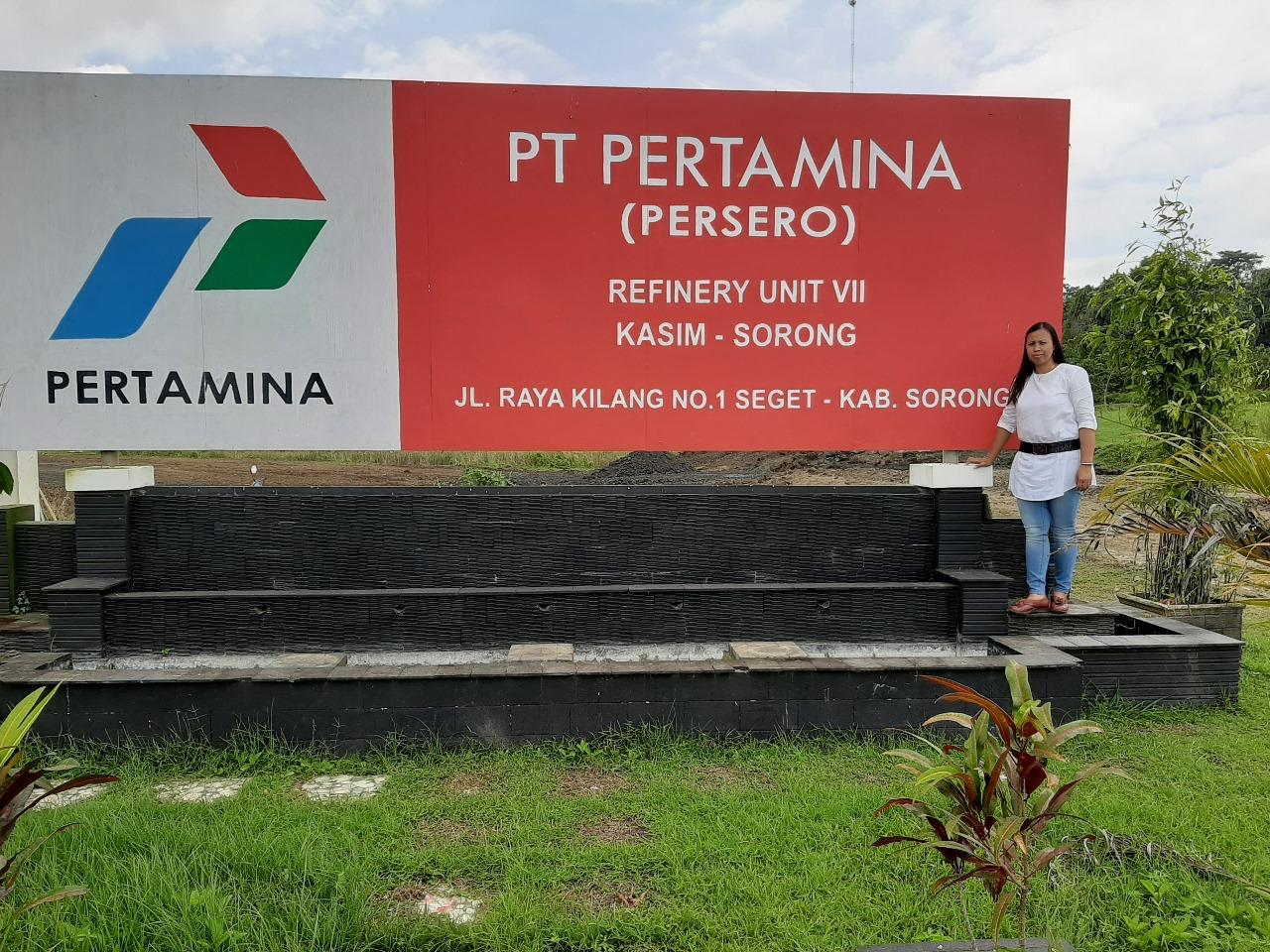
This is a research plan that is being worked on with doctoral program students. This research aims to construct or develop a waste accounting system model for energy companies in the Eastern Region of Indonesia, by taking samples from the Pertamina Company operating in Sorong Papua. The implementation of waste accounting in Indonesia, although it has shown progress, still faces a number of challenges. To understand more deeply the existing challenges and opportunities, this research focuses on PT Kilang Pertamina Internasional (KPI) RU VII Kasim Sorong. By selecting large energy companies operating in the Eastern region of Indonesia, this research aims to provide a more comprehensive picture of waste management practices in the Indonesian energy sector, particularly in its unique geographic and operational context. The development of a specific waste accounting framework for PT KPI RU VII Kasim Sorong is expected to make a significant contribution to other energy companies in Indonesia, especially in improving accountability and decision making regarding waste management.

Description
This research aims to determine the role of SDGs disclosure on the effect of green innovation, GHG emissions, and eco-efficiency on firm value. The sample of this research were companies that were
included in SRI- KEHATI index list in 2018-2022. This study used a quantitative approach which paneldata were processed using EVIEWS 10. The sample were selected through purposive sampling
technique. There were 16 companies selected with a total of five years of research, so the total observations in this study were 80 observations. This study used secondary data obtained from the
internet through the official IDX website(www.idx.co.id), the website of Yayasan Keanekaragaman Hayati Indonesia (www.kehati.or.id), and the official website of each company. The results of this study show that green innovation and GHG emissions partially affect firm value. An increase in green innovation increases firm value, while an increase in GHG emission affects a decrease in firm value. Meanwhile, eco-efficiency has no significant effect on firm value. In addition, disclosure of SDGs can moderate the effectof green innovation and greenhouse gas emissions on company value, but disclosureof SDGs cannot moderate the effect of Eco-efficiency on company value.