
MAKASSAR, Indonesia Dec 26 2025/Resource Economics Research Group/ – Indonesia is a country rich in natural resources—from coal and oil to forests and minerals. But this wealth raises an important question: does having abundant natural resources help or hinder sustainable development? A recent study titled “The Impact of Renewable Energy, Environmental Dependence, and Socioeconomic Factors on Sustainable Regional Economic Development in Indonesia,” published in the International Journal of Energy Economics and Policy by EconJournals on December 26, 2025, provides a compelling answer.
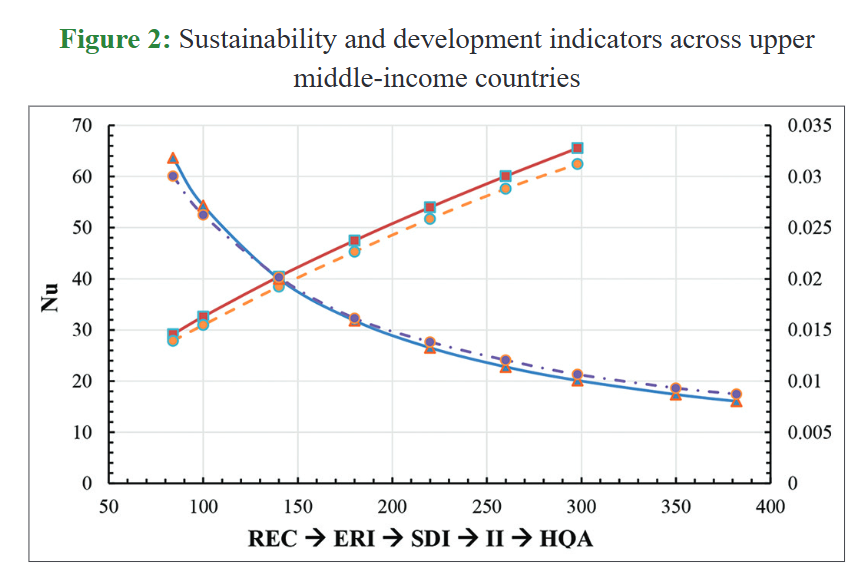
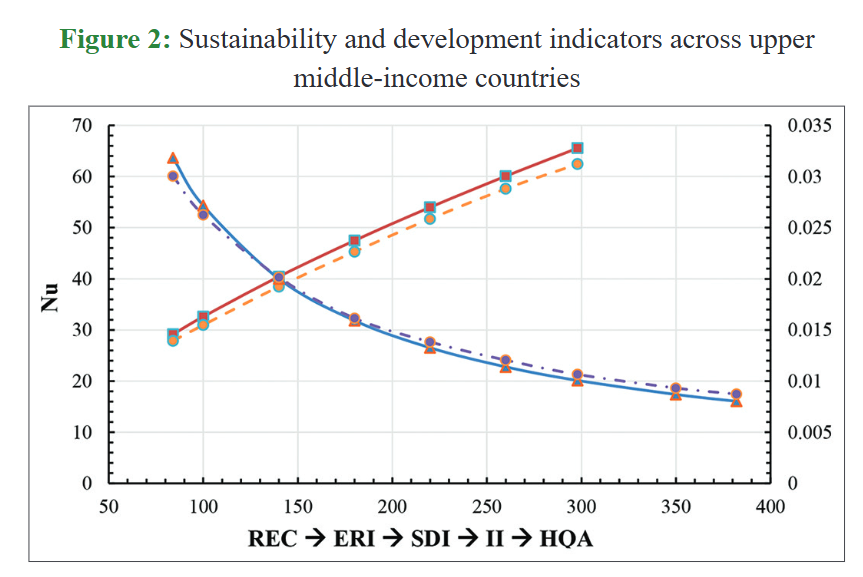
The research explores how natural resource dependence, renewable energy use, and sustainable development are interconnected. Using data from 137 countries over more than three decades, the study uncovers a complex relationship. On one hand, countries with abundant natural resources often experience slower growth in renewable energy adoption. This happens because traditional energy sources, such as fossil fuels, remain cheaper and more accessible in resource-rich economies.
However, the story does not end there. The study also finds that natural resource wealth can actually support long-term sustainable development—if managed wisely. In countries like Indonesia, resource revenues can provide the financial foundation needed to invest in infrastructure, education, and clean energy transitions. This dual effect highlights a critical point: it is not the resources themselves that determine outcomes, but how they are governed.
One of the most important findings is the role of human capital. Education, skills, and knowledge are essential for advancing renewable energy adoption. Countries that invest in people are better equipped to shift toward cleaner and more sustainable energy systems. This directly connects to SDG 4: Quality Education, which emphasizes the importance of building human capacity to support innovation and sustainable growth.
The study also identifies a two-way relationship between renewable energy use and sustainable development. In other words, increasing renewable energy not only supports sustainability, but higher levels of development also encourage greater use of clean energy. This positive cycle can help countries move toward greener and more resilient economies.
These insights are closely linked to SDG 1: No Poverty and SDG 17: Partnerships for the Goals. For SDG 1, sustainable development plays a crucial role in reducing poverty. By diversifying the economy and investing in renewable energy, countries can create new job opportunities and improve living standards, especially in regions that rely heavily on natural resources.
Meanwhile, SDG 17 highlights the importance of collaboration. Transitioning to renewable energy and achieving sustainable development cannot be done by governments alone. It requires partnerships between public institutions, private sectors, researchers, and international organizations. The study itself demonstrates the value of global data and collaboration in understanding complex economic and environmental challenges.
For Indonesia, the message is clear. The country should not move away from its natural resources, but rather use them strategically. Resource revenues can be reinvested into renewable energy projects and human capital development, creating a balanced approach that supports both economic growth and environmental sustainability.
In the end, Indonesia’s future depends on how well it can transform its resource wealth into long-term prosperity. By combining smart policies, strong institutions, and investment in people, the country has the potential to lead the way toward a more sustainable and inclusive global economy.
Reference
DOI: https://doi.org/10.32479/ijeep.21615
Contact:
Hamrullah
+62 812-4244-186
hamrullah@fe.unhas.ac.id