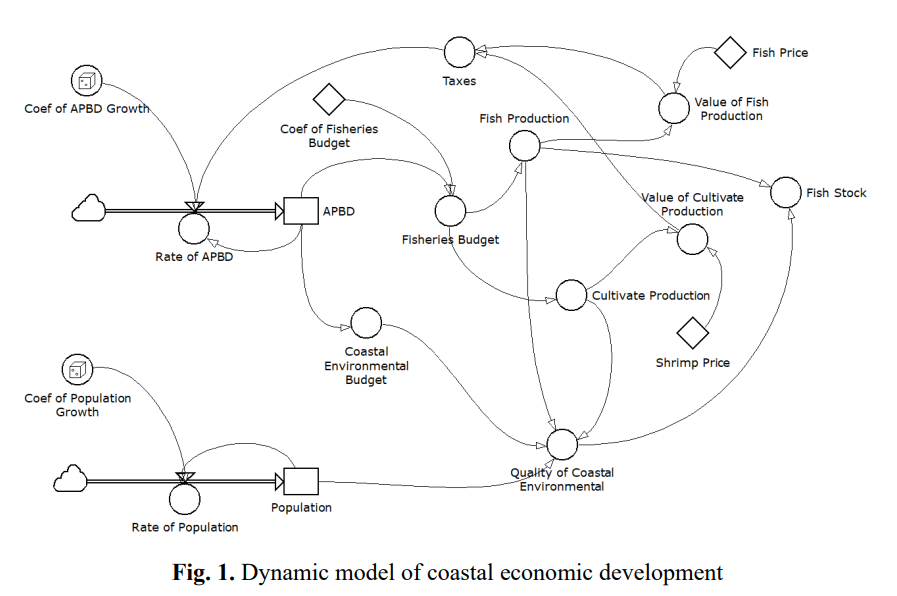

MAKASSAR, Indonesia Dec 7 2025/Resource Economics Research Group/ – South Sulawesi is known for its rich coastal and marine resources, making it one of Indonesia’s most strategic regions for fisheries and ocean-based economic activities. But behind this potential lies a growing challenge: how to balance economic growth with environmental sustainability. A recent study titled “Dynamic Model of Coastal Economic Development Within the Framework of the Blue Economy in South Sulawesi,” published in the Egyptian Journal of Aquatic Biology & Fisheries by the Egyptian Society for the Development of Fisheries and Human Health on December 7, 2025, explores this dilemma in depth.
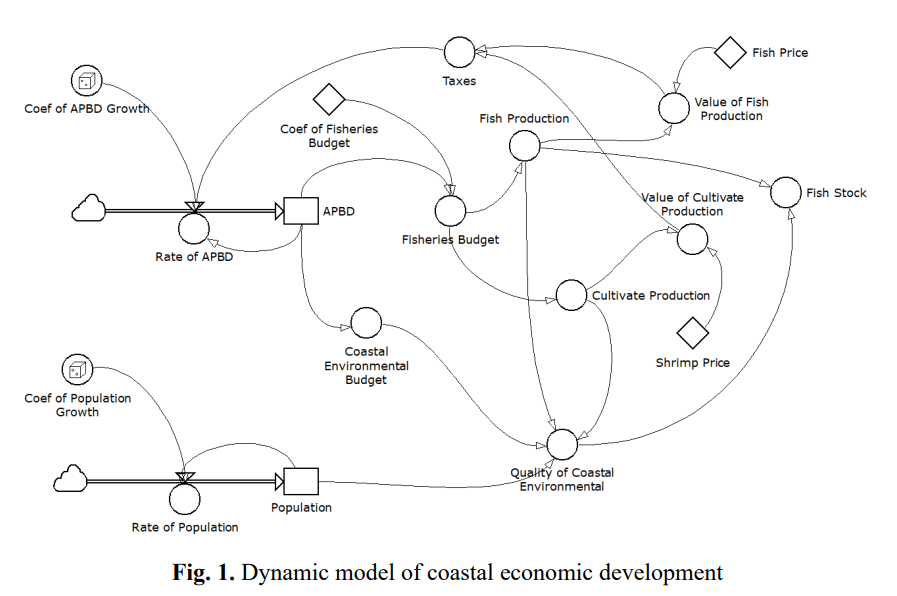
The study highlights a crucial insight—boosting the fisheries sector can significantly drive economic growth, but it also carries serious environmental risks if not managed carefully. Using a dynamic systems approach, the research simulates how policy decisions, particularly budget allocations, affect both economic and ecological outcomes in coastal areas.
On the economic side, the findings are promising. Increasing the fisheries sector budget by around 17–20% annually can raise fish production—both capture and aquaculture—by approximately 14.71% each year. This growth contributes directly to regional income, including Gross Regional Domestic Product (GRDP) and local government revenue (PAD). For policymakers, this appears to be a strong argument for investing more in the fisheries sector.
However, the story does not end there. The same increase in production also places heavy pressure on marine ecosystems. The study reveals that fish stocks could decline by as much as 28.17%, while environmental quality drops significantly, with an index falling from 79.0 to 73.0. In simple terms, what boosts the economy today may damage the environment tomorrow.
This is where the concept of the blue economy becomes essential. A true blue economy is not just about exploiting marine resources—it is about using them sustainably. The study clearly shows that increasing fisheries budgets without balancing them with environmental investments can lead to long-term ecological degradation, ultimately threatening the very resources that support economic growth.
These findings are highly relevant to global development priorities, particularly SDG 14: Life Below Water, SDG 1: No Poverty, SDG 4: Quality Education, and SDG 17: Partnerships for the Goals. The connection to SDG 14 is direct: protecting marine ecosystems is critical for sustaining fisheries and biodiversity. Without healthy oceans, the foundation of coastal economies collapses.
At the same time, SDG 1 reminds us that coastal communities depend heavily on fisheries for their livelihoods. Environmental degradation can reduce income opportunities, pushing vulnerable populations closer to poverty. Sustainable management, therefore, is not just an environmental issue—it is also a social and economic necessity.
Meanwhile, SDG 4 plays a key role in building awareness and capacity. Educating communities, policymakers, and stakeholders about sustainable practices can help ensure that economic development does not come at the expense of environmental health.
Finally, SDG 17 highlights the importance of collaboration. Addressing complex coastal challenges requires partnerships between governments, researchers, local communities, and international institutions. The study itself demonstrates how scientific research can inform better policy decisions.
In conclusion, the message is clear: coastal development in South Sulawesi must move beyond short-term economic gains. By integrating environmental considerations into policy planning, the region can achieve a more balanced and sustainable future—one where economic growth and ecological preservation go hand in hand.
Reference
DOI: https://doi.org/10.21608/ejabf.2025.420549.6520
Contact:
Rahmatia
+62 852-9991-8108
rahmatiayunus@fe.unhas.ac.id