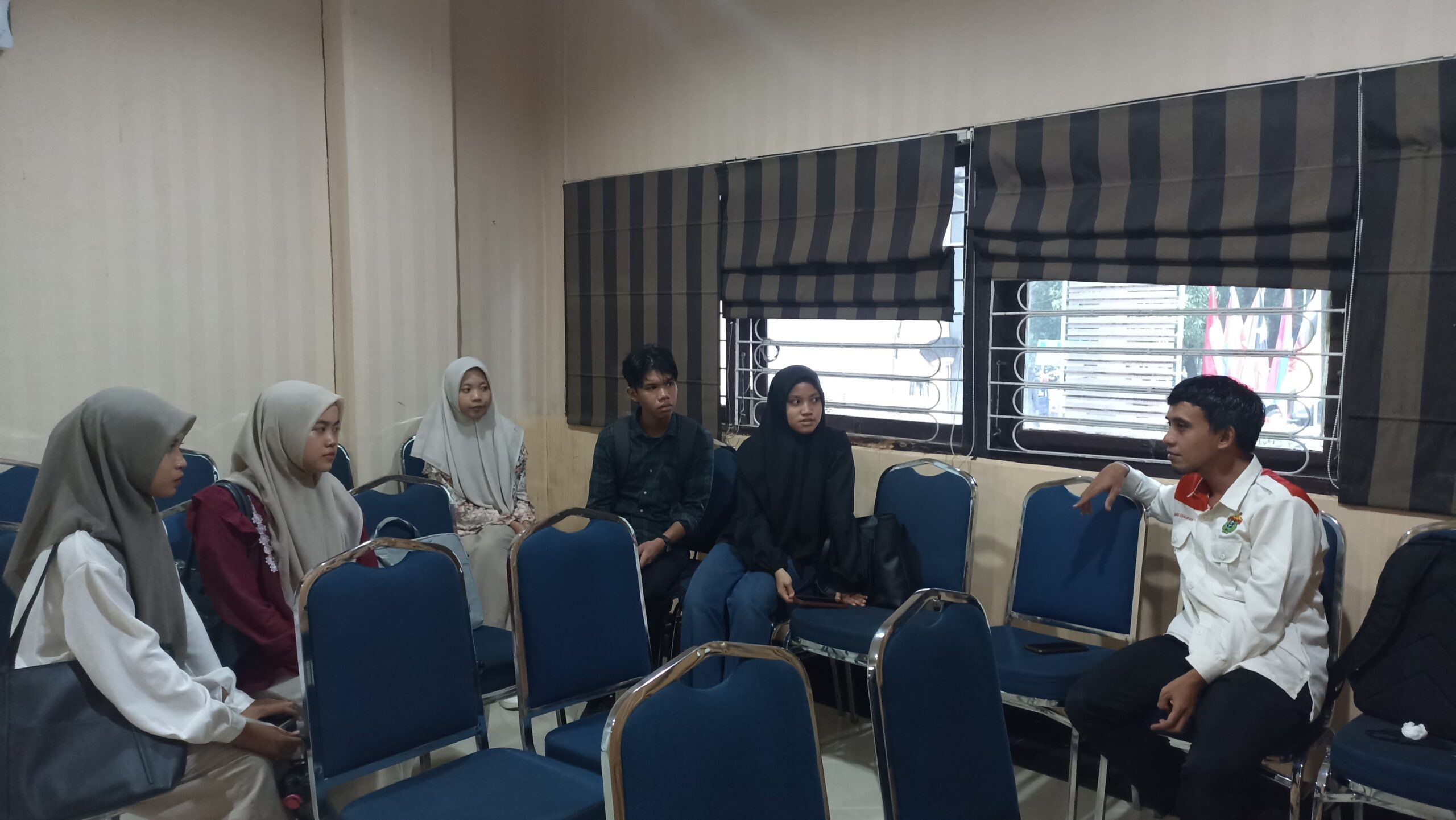

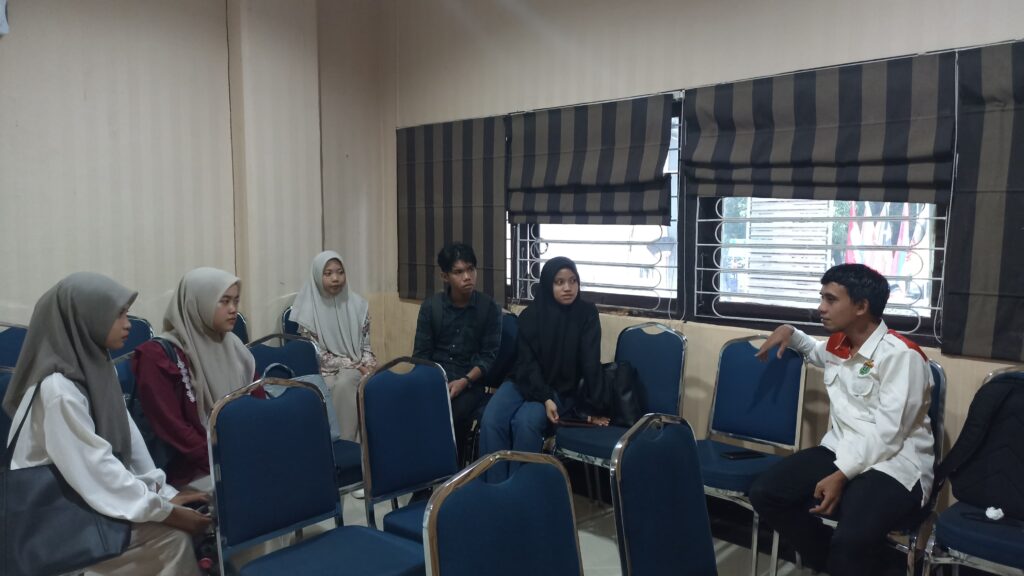
Engaging students in meaningful academic dialogue is a fundamental step toward cultivating a strong research culture within higher education institutions. The activity titled discussion with undergraduate students of the Development Economics Study Program, Hasanuddin University reflects a strategic effort to encourage critical thinking and research-oriented mindsets among students. Held in Makassar, Indonesia, this discussion served as a collaborative platform to explore and refine emerging research ideas relevant to contemporary economic challenges.
The primary objective of this activity was to filter and develop research ideas generated by undergraduate students. In an academic environment where innovation is increasingly valued, early exposure to research processes is essential. Through this discussion, students were encouraged to articulate their ideas, receive constructive feedback, and identify potential research gaps. The interactive nature of the session enabled participants to engage in open dialogue, fostering a learning atmosphere that bridges theoretical knowledge with real-world applications.
This initiative aligns closely with several Sustainable Development Goals (SDGs), particularly SDG 1: No Poverty, SDG 4: Quality Education, and SDG 17: Partnerships for the Goals. By guiding students to develop research ideas that address socio-economic issues, the activity contributes to SDG 1, as many proposed topics focused on poverty alleviation, inclusive growth, and equitable resource distribution. Encouraging such research at the undergraduate level helps build a generation of scholars who are sensitive to development challenges and committed to finding solutions.
In addition, the activity strongly supports SDG 4, which emphasizes inclusive and quality education. By involving students directly in research discussions, the initiative enhances their analytical skills, critical thinking abilities, and academic confidence. It transforms the learning process from passive absorption of knowledge into active knowledge creation. This experiential learning approach is crucial in preparing students for future academic and professional pursuits.
Furthermore, the discussion embodies the spirit of SDG 17, highlighting the importance of partnerships and collaboration. Although conducted within a single academic institution, the interaction between faculty members and students represents a micro-level partnership that is essential for knowledge development. Such collaborations foster mentorship, intellectual exchange, and the co-creation of ideas, all of which are vital components of a dynamic academic ecosystem.
The session involved 7 participants, allowing for an intimate and focused discussion where each participant had the opportunity to actively contribute. This relatively small group size ensured that feedback was personalized and discussions were in-depth. The activity took place on February 16, 2026, marking an important step in strengthening the research capacity of undergraduate students within the program.
Overall, this discussion not only facilitated the generation and refinement of research ideas but also reinforced the importance of integrating education with real-world problem-solving. By nurturing young researchers and aligning their ideas with global development goals, the activity contributes to building a more inclusive, knowledgeable, and collaborative academic community.