


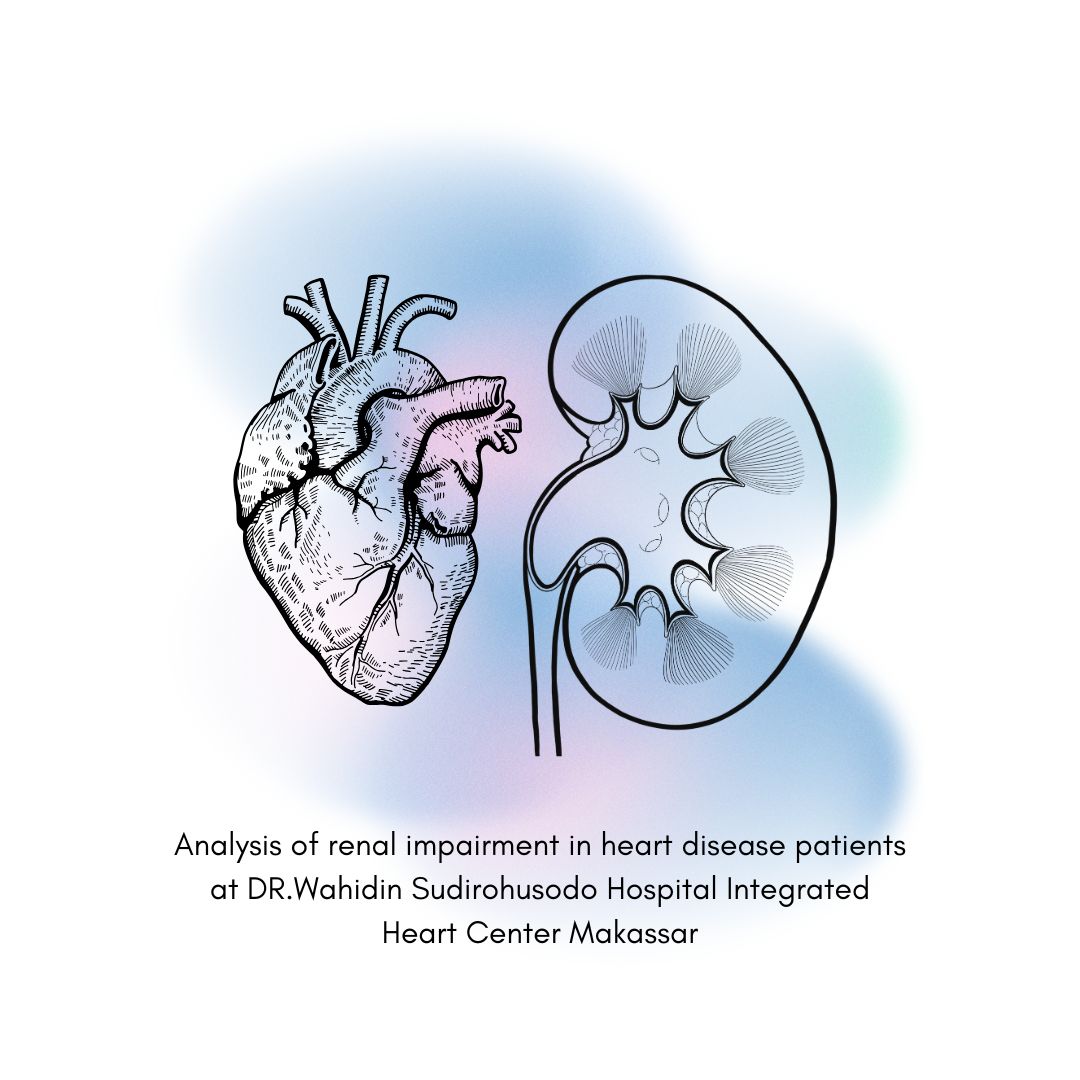
Interactions between the kidney and heart have long been recognized and reported in the literature. Since 1998, the National Kidney Foundation (NKF) in the US reported a high incidence of Cardio Vascular Disease (CVD) in patients with Chronic Kidney Disease (CKD). Over the past 2 decades, many studies have been reported on the interactions between these two organs.
There is no specific report that studies the incidence of renal impairment both acute and chronic in patients with acute and chronic heart disease in Makassar. Analyzing the risk factors of renal impairment in patients with heart disease is a prevention and treatment strategy that must be done. This study aims to: Know the risk of acute renal impairment (GgGA) in patients with acute heart disease (1), Know the risk of CKD in patients with chronic heart function decline (2), Know what risk factors are associated with the incidence of GgGA in patients with acute heart disease (3), and know what risk factors are associated with the incidence of CKD in patients with chronic heart function decline (4).
This research will support Hasanuddin University\’s strategic plan and research roadmap. The leading theme of research to be carried out is on non-infectious disease research. The impact of this research can make this research provide benefits for people\’s lives, the development of science and the achievement of ren
Nutritional status contributes to health status in old age and the risk of several other diseases. In old age it is influenced by the cumulative effects of comorbidities, functional status, medical history and economic status. Hormonal, metabolic and other changes can also affect nutritional status in old age, risking abnormalities. The association between CKD and nutritional disorders in the general population has long been recognized, but clinical evidence on nutritional status in relation to old age is scant.
This study is a cohort study conducted for 2 years with elderly subjects who perform outpatient examinations at the DR.Wahidin Sudirohusodo Hospital and UNHAS Education Hospital Makassar will be the subject of this study. Data processing will be carried out at the Department of Public Health Sciences / Family Health Sciences, Faculty of Medicine, Hasanuddin University. This study is targeted for publication in reputable international journals.
This study can provide an overview of the relationship between renal function, nutritional status and antopometric examination in elderly patients as a relevant step in the strategy of preventing the progressiveness of CKD in the elderly. There are still very few studies conducted in the elderly, so the results of this study are expected to be an effort to implement efficient and effective control strategies in CKD management.
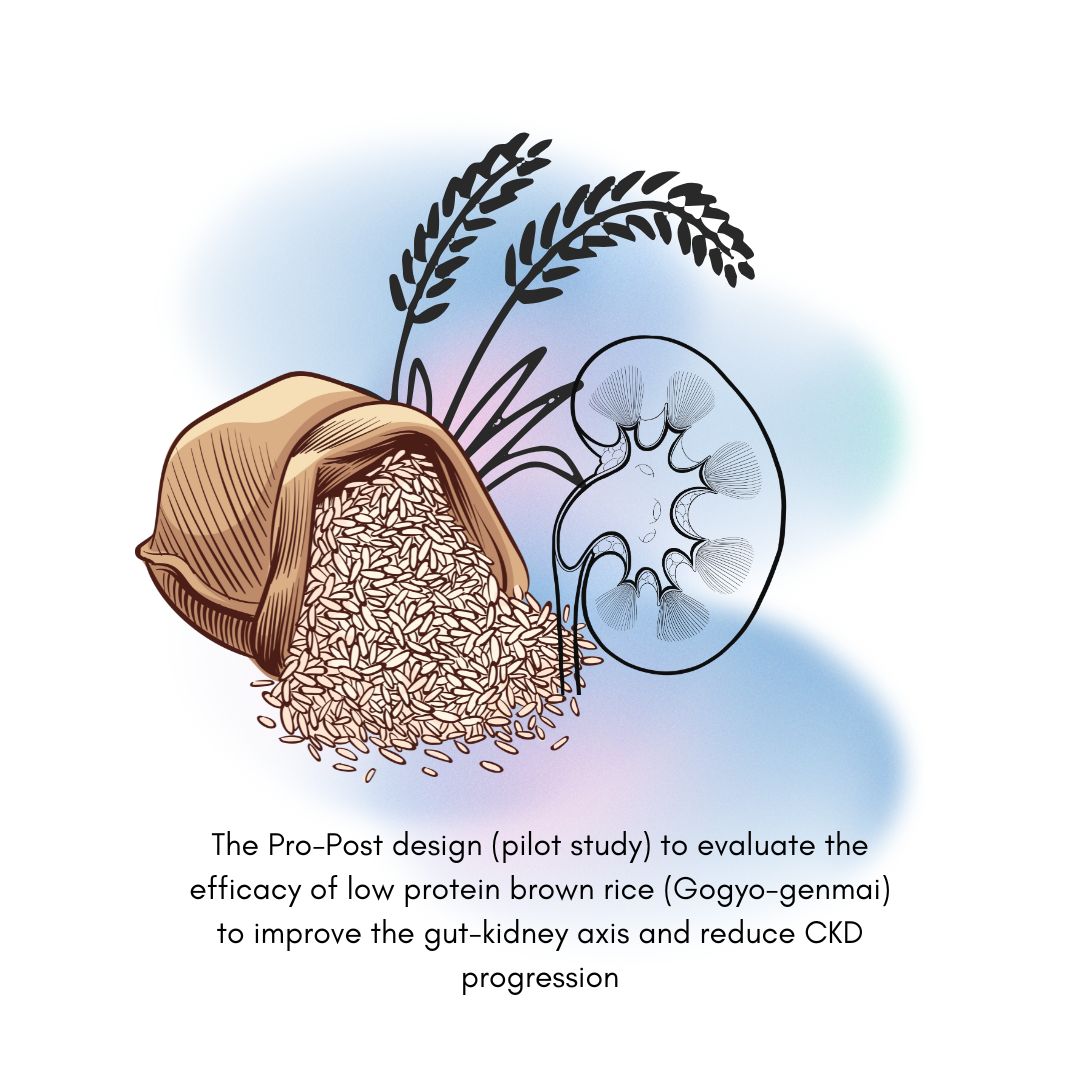
Chronic kidney disease (CKD) is a growing global health burden, affecting millions and contributing to significant morbidity and mortality. Gut microbiome dysbiosis disrupts the gut-kidney axis, reducing beneficial short-chain fatty acids (SCFAs) like butyrate and propionate. SCFAs play a crucial role in mitigating CKD progression through immune modulation, reducing systemic inflammation, and enhancing gut barrier integrity. Emerging therapies targeting the gut microbiome, including prebiotics, probiotics, and fecal microbiota transplantation, show promise in restoring microbial balance and enhancing SCFA production. These interventions demonstrate potential in reducing uremic toxins, improving renal outcomes, and slowing CKD progression. However, challenges remain, including the variability in microbiome profiles, limited large-scale clinical trials, and
regulatory barriers. Personalized approaches and robust multicenter trials are essential to optimize these therapies and establish their long-term efficacy and safety. This review explores the interplay between gut microbiome dysbiosis, and SCFAs in CKD. It highlights the therapeutic potential of microbiome-based interventions and emphasizes the need for further research to address existing limitations, paving the way for innovative strategies in CKD management