Makassar, Indonesia/May 21, 2026/PRG/What if ordinary sandstones could tell extraordinary stories about Earth’s past—and even guide our future? A recent scientific study from South Sulawesi, Indonesia, shows that rocks are not just silent witnesses. They are storytellers, revealing how landscapes, climates, and tectonic forces have shaped our planet over millions of years.
The research focuses on the Mallawa Formation, a sequence of sedimentary rocks spread across Bone, Maros, and Pangkep. By analyzing the chemical composition of these sandstones, scientists uncovered where the sediments originally came from and how the region’s geology evolved.
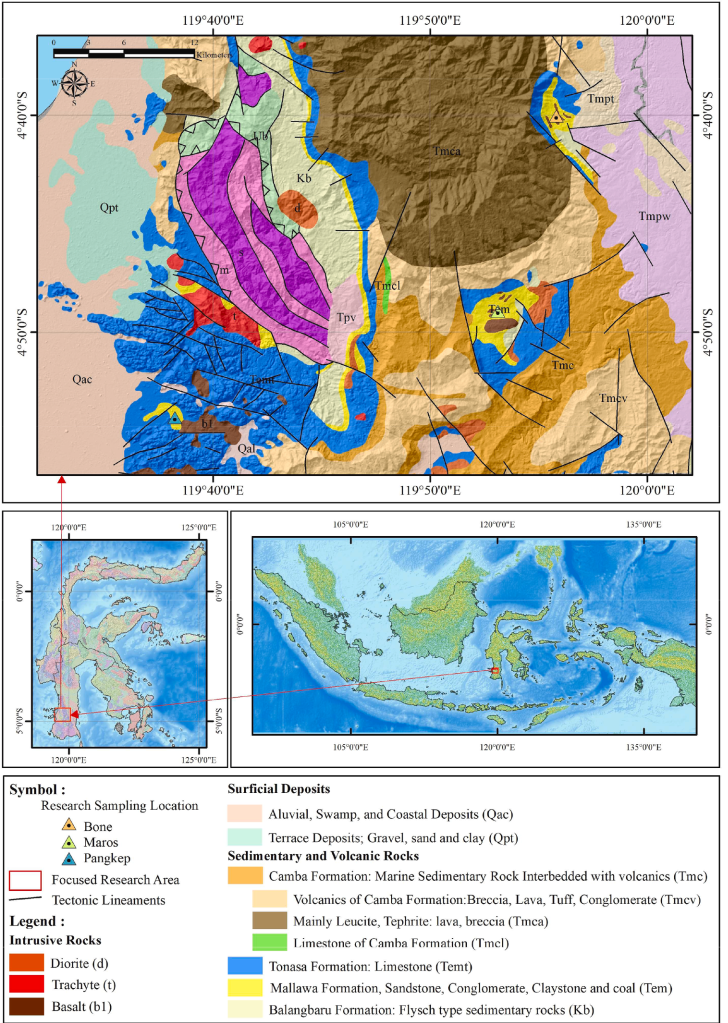
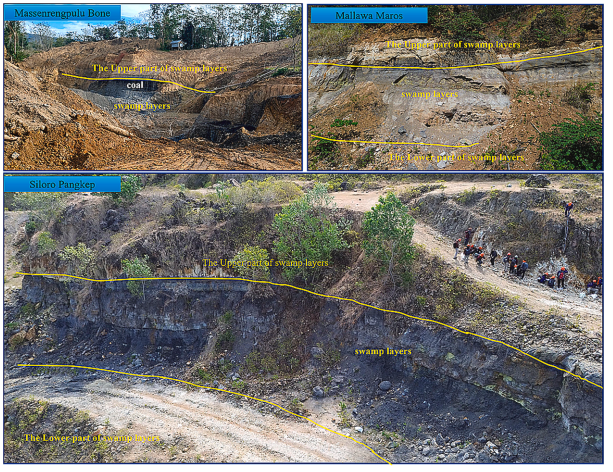
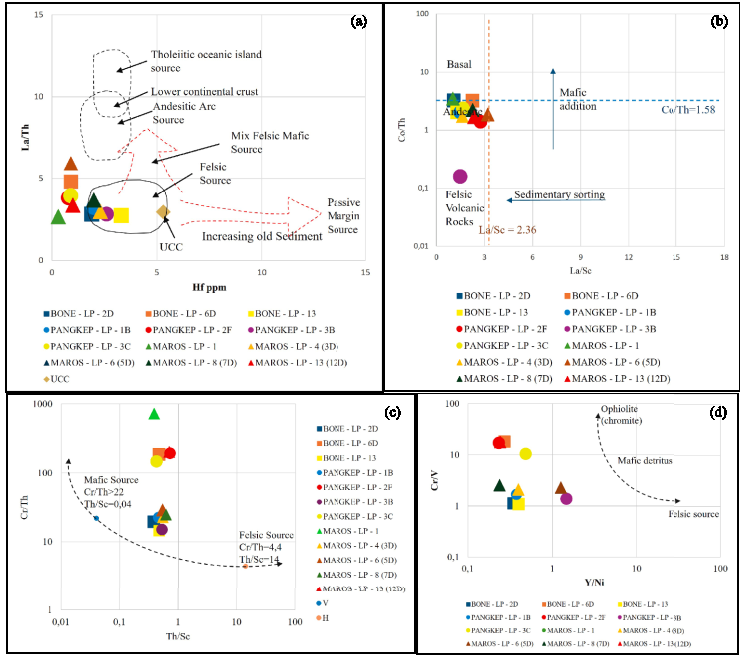
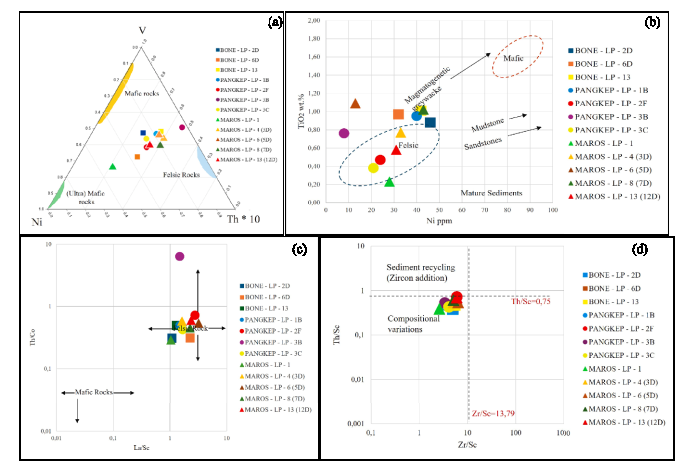
At first glance, this might sound like a topic only geologists would care about. But the implications go much further. The study found that these sandstones were mainly derived from ancient igneous rocks—formed deep within Earth—and were later transported and deposited in environments shaped by rivers and coastal systems.
Even more fascinating, the rocks record a major geological transition. South Sulawesi shifted from a relatively stable “passive margin” into a more dynamic “active margin,” influenced by tectonic plate movements. This transformation triggered processes such as subduction, volcanic activity, and mountain building—forces that still shape the region today.
So why should this matter to the public?
Because understanding Earth’s geological history helps us manage natural resources more wisely and reduce environmental risks. Knowledge about rock composition and tectonic settings is essential for identifying mineral resources, groundwater potential, and even areas prone to natural hazards like earthquakes or landslides.
This is where the study strongly connects to Sustainable Development Goal (SDG) 15: Life on Land. SDG 15 emphasizes protecting terrestrial ecosystems and using land resources sustainably. By understanding the geological foundation of a region, we can make better decisions about land use, conservation, and disaster mitigation.
For example, knowing that an area has undergone intense tectonic activity can guide infrastructure planning, helping communities avoid high-risk zones. Similarly, insights into sediment sources and weathering processes can inform soil management and agriculture—critical for maintaining healthy ecosystems.
Beyond science and policy, this research also highlights the importance of education and communication. Scientific findings often remain locked in academic journals, but translating them into accessible knowledge empowers communities. When people understand the land beneath their feet, they are better equipped to protect it.
In a broader sense, the study reminds us that Earth is constantly changing. The landscapes we see today are the result of millions of years of processes—some slow, some dramatic. By learning to “read” these changes through rocks, we gain a deeper appreciation of our planet and our responsibility to care for it.
In the end, these sandstones are more than just fragments of the past—they are keys to building a more sustainable future.
Source publication:
Title: Geochemistry of the sandstone of Mallawa Formation in the Southern arm of Sulawesi, Indonesia: Implications for provenance and tectonic setting
Journal: Ore and Energy Resource Geology
Publisher: Elsevier
Publication Date: April 2025
Authors: Safruddim, A.M. Imran, Ulva Ria Irfan, Meutia Farida
Contact peson: Safruddim
+62 853 4258 9109 | safruddim@unhas.ac.id