Makassar, Indonesia/May 21, 2026/PRG/Have you ever wondered how scientists can reconstruct ancient oceans from rocks that formed millions of years ago? In South Sulawesi, Indonesia, a limestone formation known as the Taccipi Limestone preserves an extraordinary geological record of environmental change. Through detailed microscopic analysis, researchers discovered that these rocks are more than just hardened sediments — they are natural archives containing clues about Earth’s ancient marine systems.
The Taccipi Limestone, located in the Ponre Area of Bone Regency, was originally formed in shallow tropical seas during the Late Miocene period. Over millions of years, the limestone experienced a series of physical and chemical changes known as diagenesis. These processes altered the original rock after its deposition, creating features that allow scientists to understand how ancient environments evolved through time.
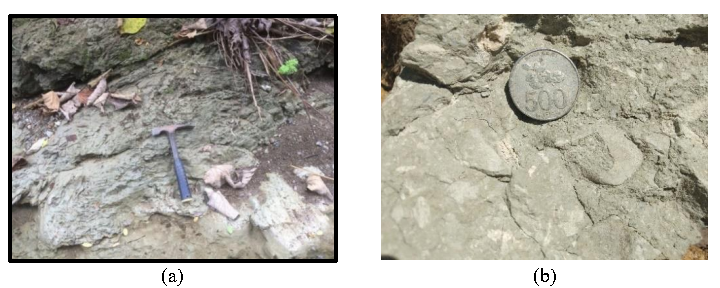
Using petrographic analysis, researchers examined thin slices of limestone under a microscope. They identified several rock types, including boundstone, packstone, wackestone, and crystalline limestone. The rocks contain fossil fragments from marine organisms such as corals, mollusks, algae, bivalves, and foraminifera — microscopic marine organisms widely used in geological studies.
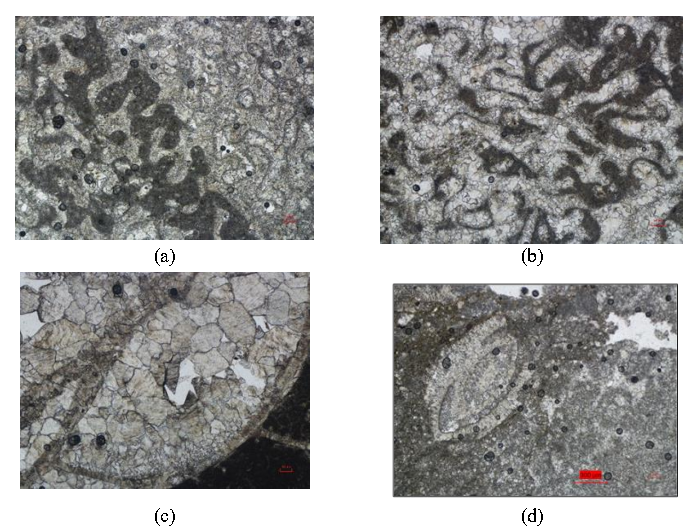
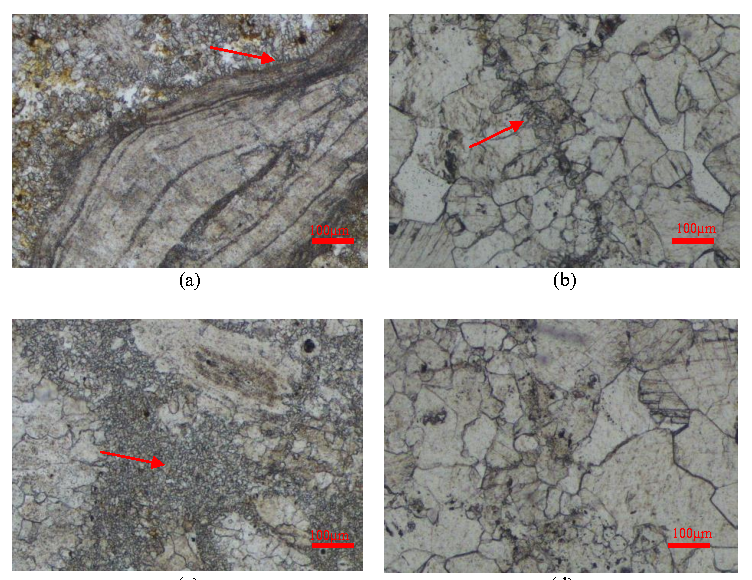
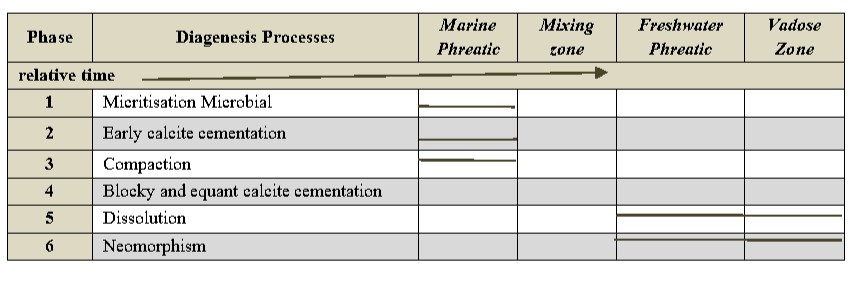
One of the most fascinating discoveries was the evidence of environmental transitions recorded inside the rocks. The limestone revealed signs of microbial activity, cementation, dissolution, compaction, and recrystallization. These changes indicate that the rocks were influenced by both marine water and freshwater conditions over time. In other words, the Taccipi Limestone documents how ancient coastal ecosystems responded to shifting geological and environmental processes.
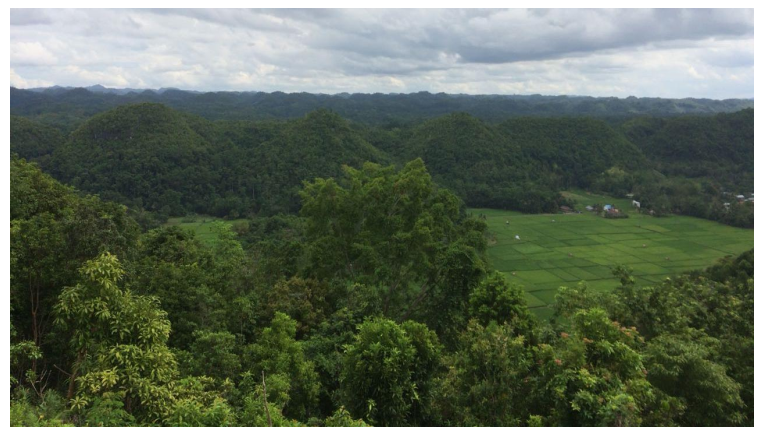
Scientists also found karst landscapes in the study area, including cone-shaped hills, caves, stalactites, and stalagmites. These formations developed because limestone is highly sensitive to water interaction. Rainwater slowly dissolves carbonate minerals, creating spectacular landscapes while simultaneously recording Earth’s environmental history.
This research is important not only for geology but also for sustainable development. The study strongly relates to SDG 14: Life Below Water because the fossils and carbonate sediments provide valuable information about ancient marine ecosystems and how they responded to environmental change. Understanding past marine conditions helps scientists better predict how modern oceans and coral reef systems may react to climate change and human activities.
In addition, the research supports SDG 4: Quality Education by encouraging scientific literacy and expanding public understanding of Earth science. Geological studies such as this inspire students and young researchers to explore natural history, environmental conservation, and climate-related challenges.
The findings may also contribute indirectly to SDG 15: Life on Land, since karst regions are unique landscapes that host important ecosystems and groundwater resources. Protecting these environments is essential for biodiversity and sustainable land management.
Beyond its scientific value, the Taccipi Limestone tells a powerful story about Earth’s resilience and transformation. Rocks that may appear ordinary at first glance actually preserve evidence of ancient seas, biological activity, and environmental shifts that occurred millions of years ago. Through studies like this, scientists continue uncovering how the planet changed in the past — knowledge that can help humanity better protect the environment in the future.
Source:
Article Title: Diagenesis of Taccipi Limestone in Ponre Area, South Sulawesi, Indonesia
Journal: AIP Conference Proceedings
Publisher: AIP Publishing
Publication Date: May 2025
Contact Person:
Meutia Farida | +62 812 8828 0303 | meutia.farida@unhas.ac.id