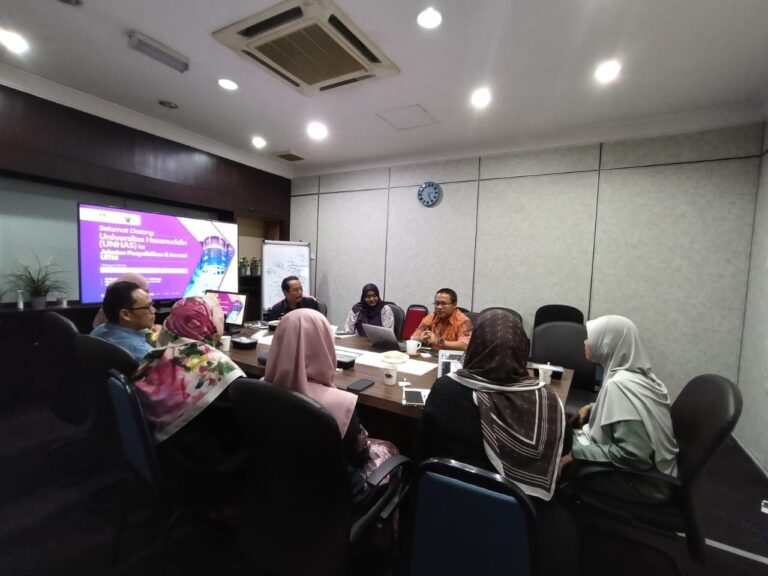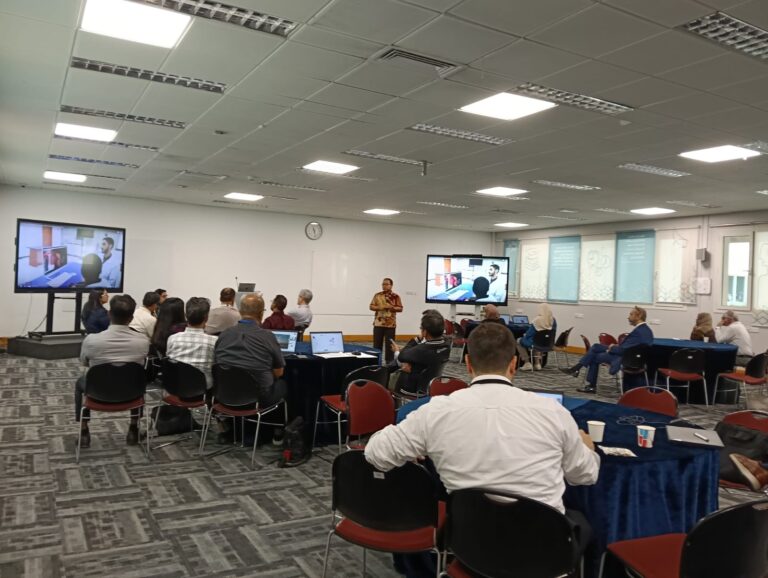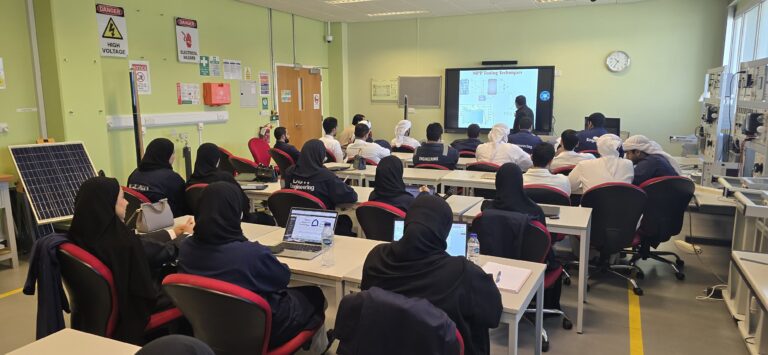

Date: 3-4 May 2026, Langkawi Island, Malaysia; Number of participants: est. 100 people; Title of presentation: Intelligent Systems Application for Fault Diagnosis of Sustainable Photovoltaic (PV) System Operation
Abstract: An early warning system for fault detection may improve the performance of reliability, efficiency, and safety of photovoltaic (PV) system operation. For these reasons, it is highly important to identify, locate, and sort the potential fault locations and determine the types and causes of faults. The PV fault detection methods are provided to identify the benefits and drawbacks of real systems from different engineering feasibility points of view, and the possible implementation constraints. The talk will summarize types of faults, intelligent methods used in early fault identification and monitoring, and PV fault prevention and protection systems. Intelligent techniques are the most popular methods for solving any engineering problems nowadays, including the solution for identification and fault diagnosis in PV systems. The noticeable advantages of these methods include symbolic reasoning, flexibility, and the ability to explain results. They are also able to analyze and identify non-linear, large, complex, and even incomplete data patterns. Compared with standard linear models for optimization methods, intelligent computational methods have compact solutions for multivariable problems without requiring knowledge of internal system parameters. Only a training process is required to directly determine the predicted output parameters, then the solutions are obtained without solving any non-linear mathematical equations or making statistical assumptions, as in the conventional prediction methods.

This talk presents our achievement in using intelligent techniques for fault diagnosis of PV systems, as published in the scientific literature. The current trend is that high penetration of PV systems is expected to play a significant role as a power generation source. One of the typical deployments of PV systems is without supervisory mechanisms to monitor the physical conditions of cells or modules. In the long-term operation, the cells or modules may experience fault conditions since they are exposed to the environment. Manually checking is not recommended in this case because of its time-consuming nature, lower accuracy, and potential danger to the operator. Therefore, the provision of an early automatic diagnosis technique with high accuracy performance, quick and efficient responses is highly necessary to guarantee the sustainable operation of PV systems. The talk is expected to bring a new approach and comprehensive solution in fault studies of PV systems, with the future trends in PV system fault diagnosis with real-time implementation. The discussion will be beneficial for future perspectives on how to provide comprehensive solutions for PV system fault problems, which focus on the improvement of monitoring, performance development of fault identification, and provision of problem-solving methods for PV fault diagnosis. (SDGs 17: Partnerships for the Goals).