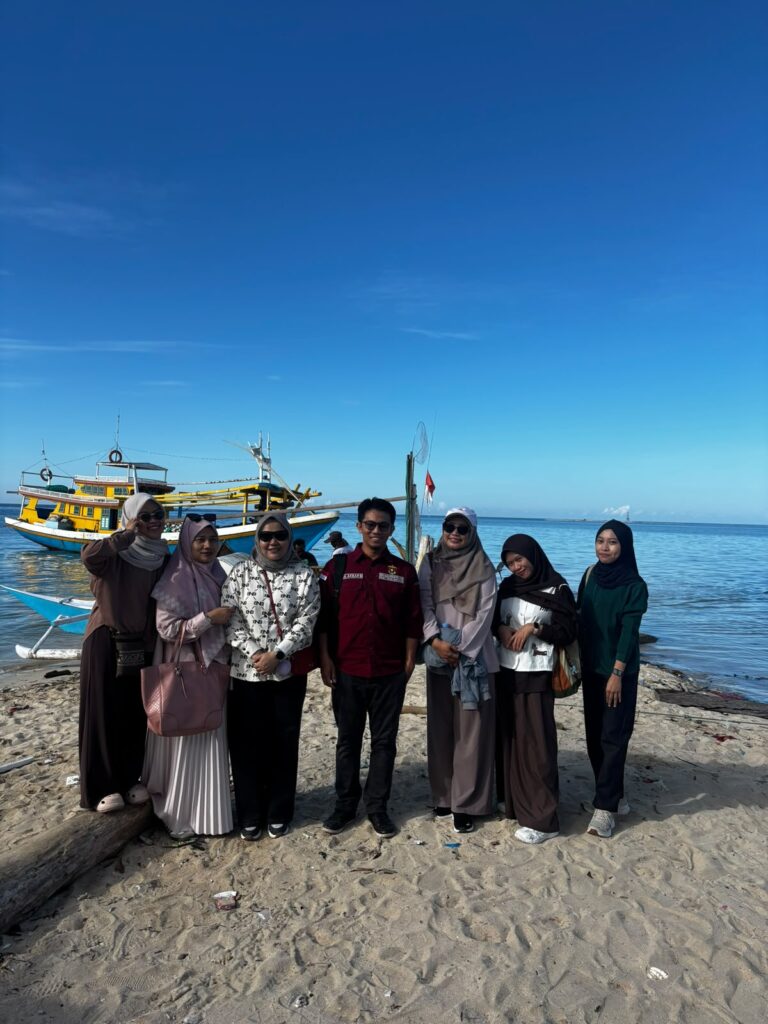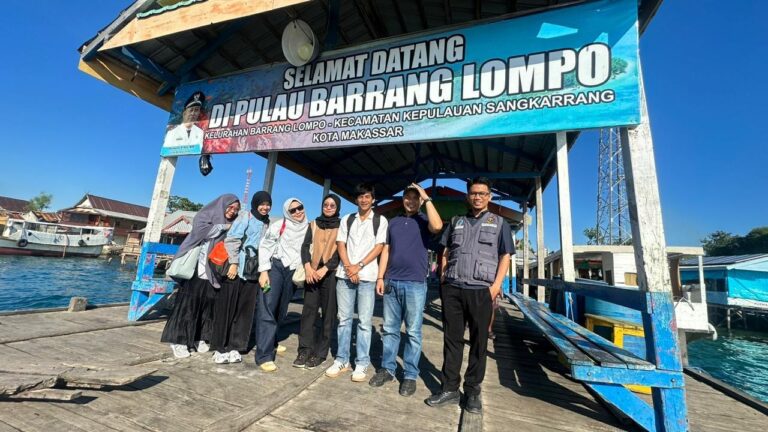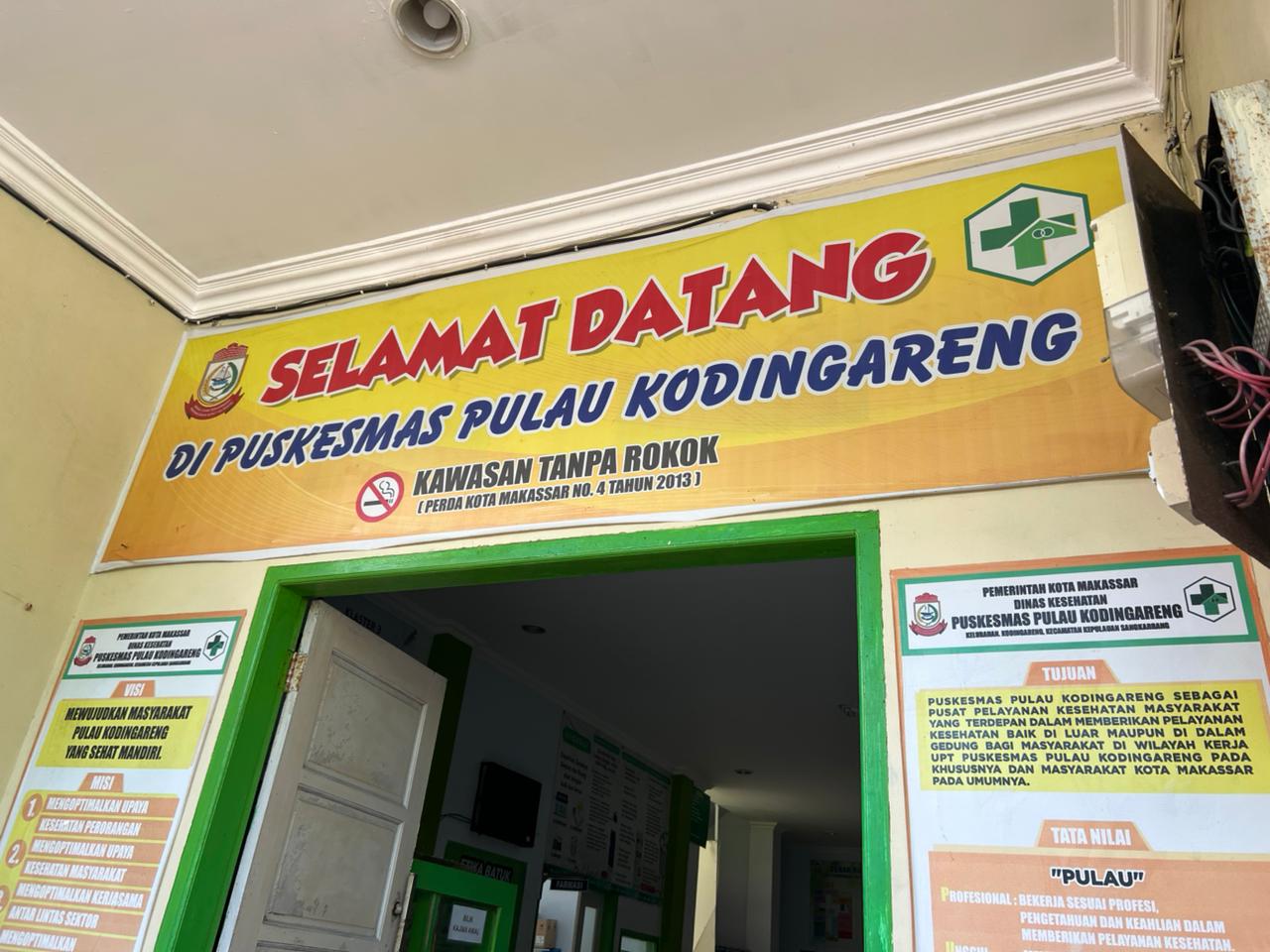

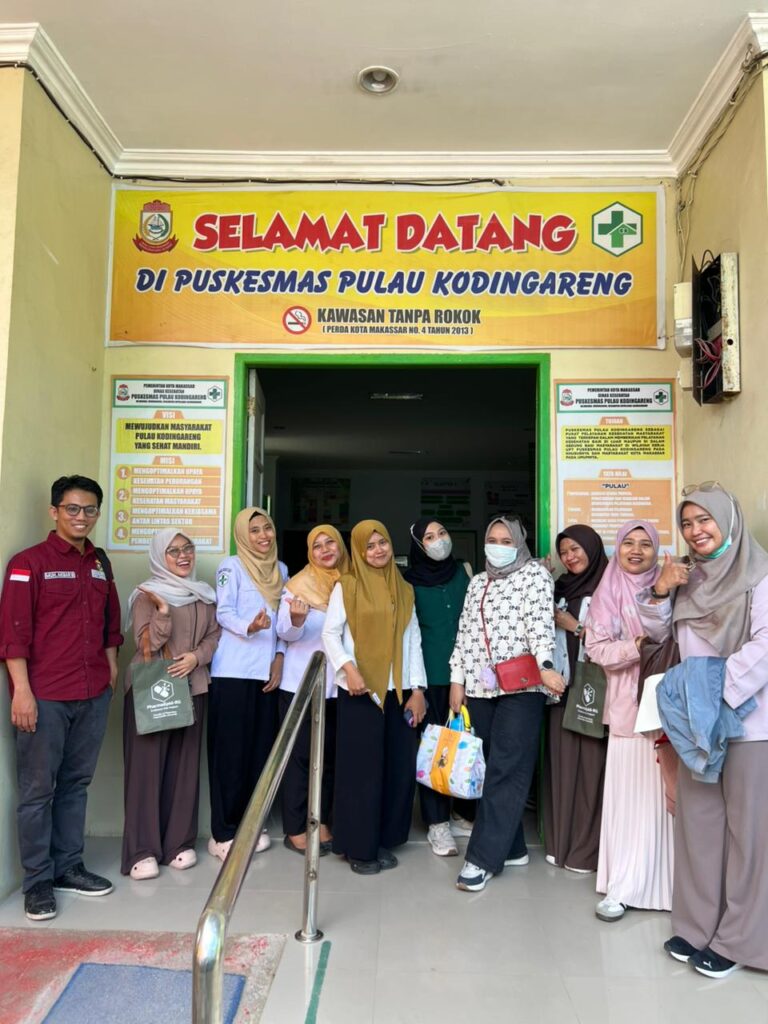
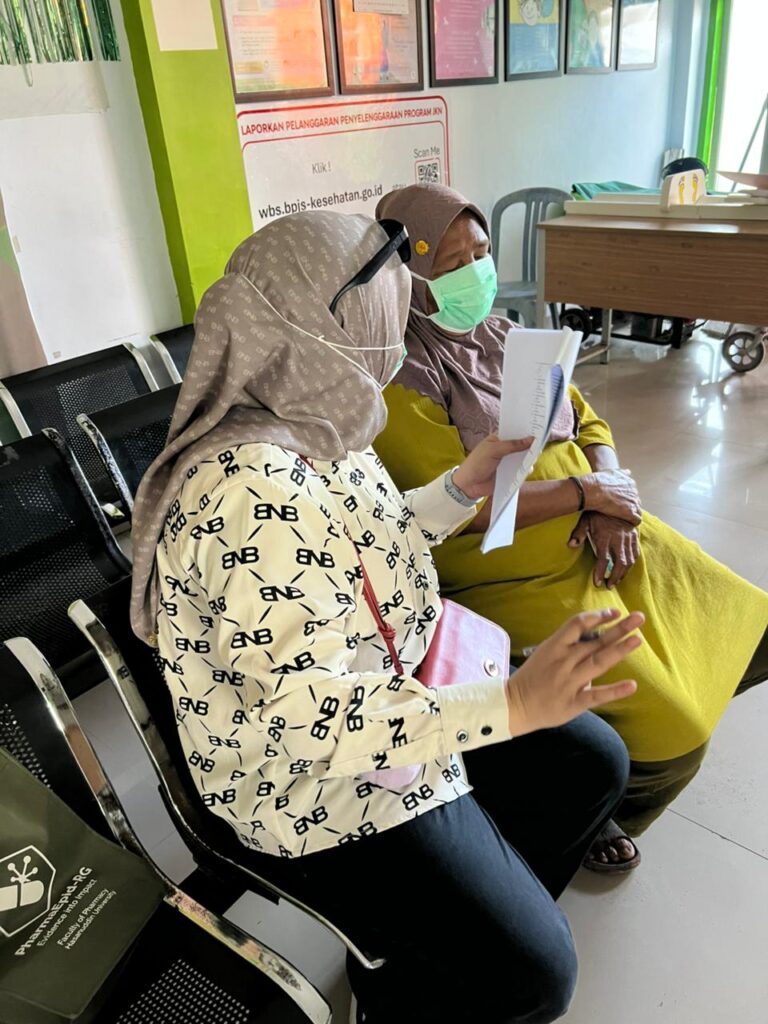
MAKASSAR, Indonesia, May 6, 2026 /PharmaEpid RG/– The Pharmacoepidemiology Research Group (PharmaEpid-RG) of Hasanuddin University conducted a field visit to Kodingareng Island, one of the outer islands within the Makassar archipelago, on May 6, 2026. The visit was part of data collection activities for a research project entitled “Complementary and Alternative Medicine Use and Psychosocial Factors Among Patients with Diabetes Mellitus: Empirical Evidence to Support Asta Cita Health Priorities and the Strengthening of Traditional Medicine.”
The study is funded through the Thematic Research Group (TRG) Internal Research Grant of Hasanuddin University and aims to generate evidence that can support the development of patient-centered diabetes care while contributing to the national agenda of strengthening evidence-based traditional medicine.
The field team was led by apt. Muh. Akbar Bahar, Ph.D., Head of PharmaEpid-RG, and accompanied by apt. A. Anggriani, M.Clin.Pharm., a member of the research group. They were joined by research team members apt. Dzulfiana Ashan, M.Si., doctoral student apt. Rahmah Mustarin, MPH, and master’s students apt. Indra Purnama Sari, S.Farm., apt. Annisa Amalanda, S.Farm., and apt. Nurhalisa, S.Si.
Kodingareng Island was selected as one of the study sites to ensure representation of communities living in geographically unique and relatively remote settings. Access to healthcare services, cultural beliefs, and the use of traditional remedies may differ between island and mainland populations, making it important to understand how these factors influence diabetes management.
The research focuses on four main objectives. First, it seeks to explore the prevalence and types of complementary and alternative medicine (CAM) used by patients with diabetes mellitus in Makassar. Second, it aims to analyze the relationship between CAM use and medication adherence. Third, the study investigates the influence of depression on treatment adherence among diabetes patients. Finally, it examines how patients’ beliefs about medicines affect their adherence to prescribed therapies.
According to the research team, diabetes management extends beyond blood glucose control and medication use. Psychological well-being, social influences, health beliefs, and the use of complementary therapies can all shape treatment behaviors and ultimately affect health outcomes. Understanding these factors is essential for designing interventions that improve adherence and optimize long-term diabetes care.
The study is particularly relevant to Indonesia’s Asta Cita agenda, which emphasizes strengthening public health systems, promoting preventive healthcare, and advancing the utilization of Indonesia’s traditional medicine resources through evidence-based approaches. By generating data on real-world CAM use among diabetes patients, the research is expected to provide valuable information for healthcare professionals and policymakers in developing safe and effective strategies for integrating traditional and conventional healthcare.
This initiative also contributes to several Sustainable Development Goals (SDGs), particularly SDG 3 (Good Health and Well-being) through improved chronic disease management, SDG 4 (Quality Education) by generating scientific evidence and promoting health literacy, and SDG 17 (Partnerships for the Goals) through collaboration among researchers, healthcare providers, and local communities.
Through this visit to Kodingareng Island, PharmaEpid-RG continues its commitment to producing evidence that reflects the diversity of Indonesian communities and supports the development of more inclusive, equitable, and evidence-based healthcare policies.