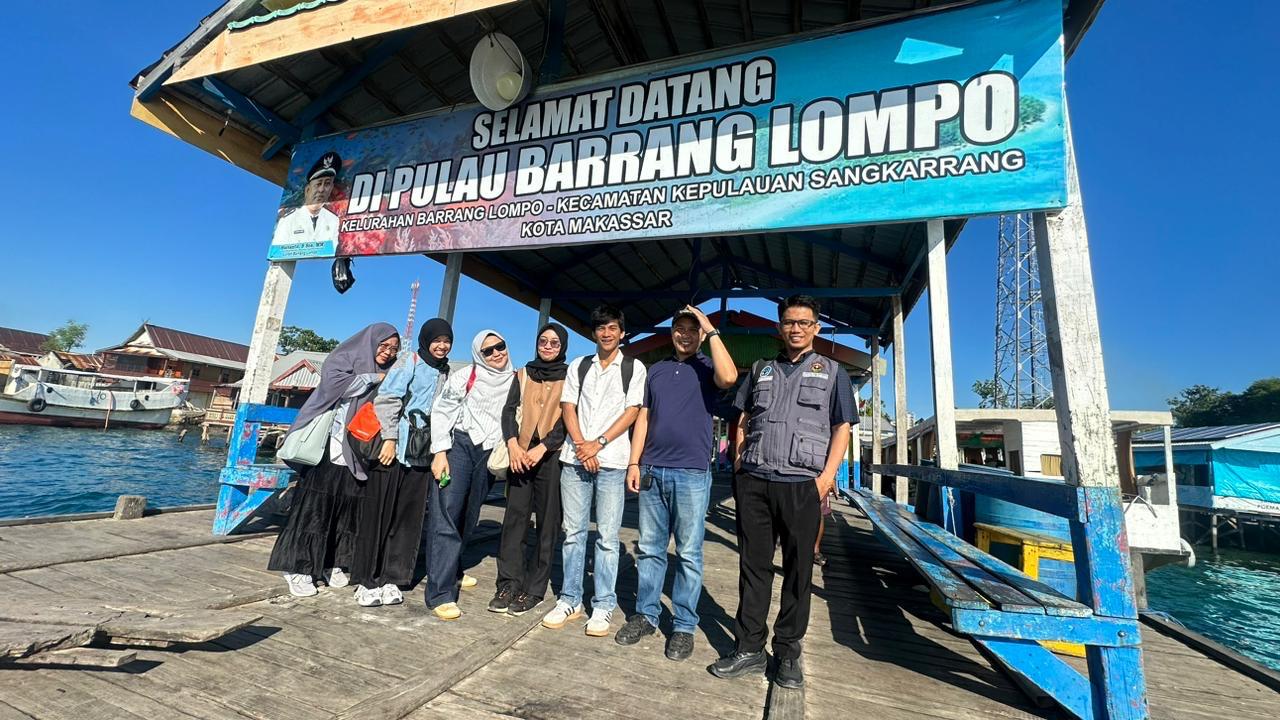

Makassar — On 15 April 2026, the research team from the Pharmacoepidemiology Research Group, Faculty of Pharmacy, Hasanuddin University, visited the Barrang Lompo Community Health Center to conduct field data collection on the use of complementary and alternative medicine (CAM) among patients with diabetes mellitus. This activity was more than a routine research visit. It was a meaningful effort to listen directly to patients, understand their treatment experiences, and gather evidence that reflects the realities of healthcare in island communities.
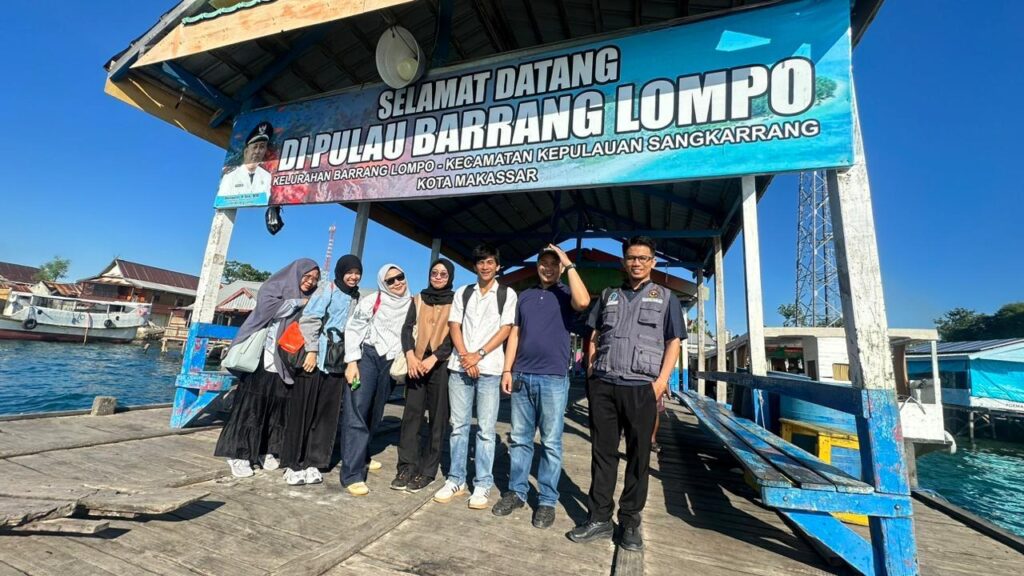
Located in the Spermonde Archipelago in the Makassar Strait, Barrang Lompo Island is a small island that is administratively part of Kepulauan Sangkarrang District, Makassar City, South Sulawesi. Its island setting makes it an important place for community based health research, especially for understanding how local context, access to care, and community beliefs may shape the way patients manage chronic diseases such as diabetes.
The main purpose of the visit was to interview patients and collect data on the types and patterns of complementary and alternative medicine use, their perceptions of using CAM to help control blood sugar, and their level of adherence to prescribed treatment. In many communities, including island settings, patients often combine conventional treatment with traditional or alternative approaches. Understanding these practices is essential, not to judge them, but to ensure that healthcare decisions are safer, more informed, and more responsive to patient needs.
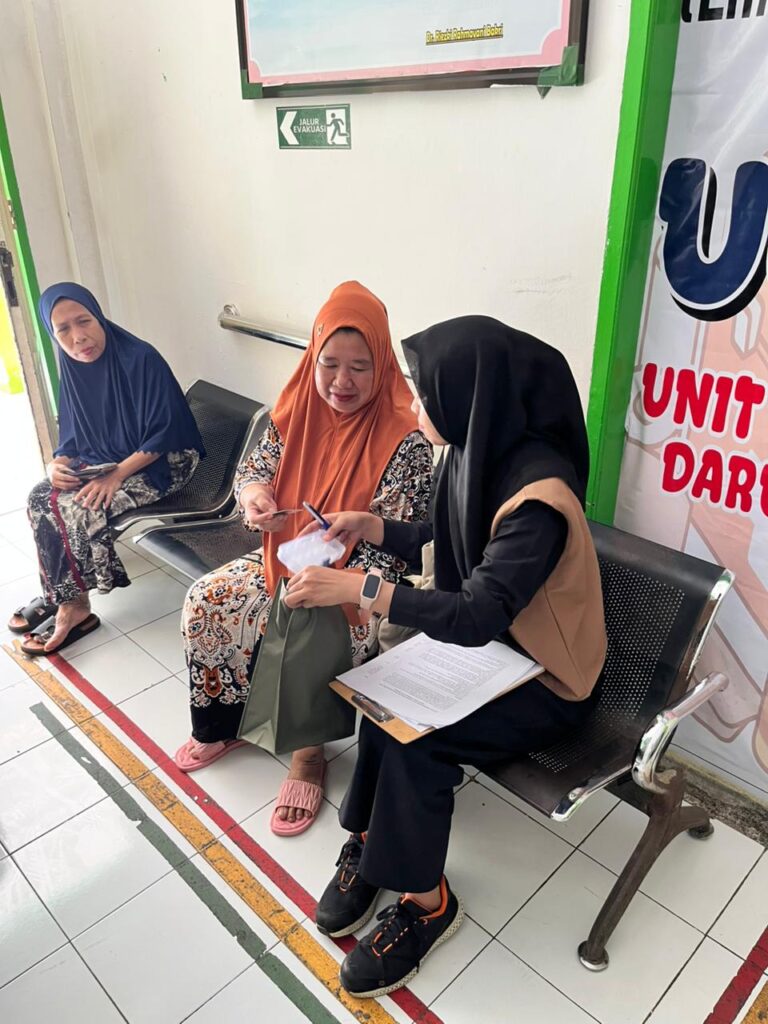
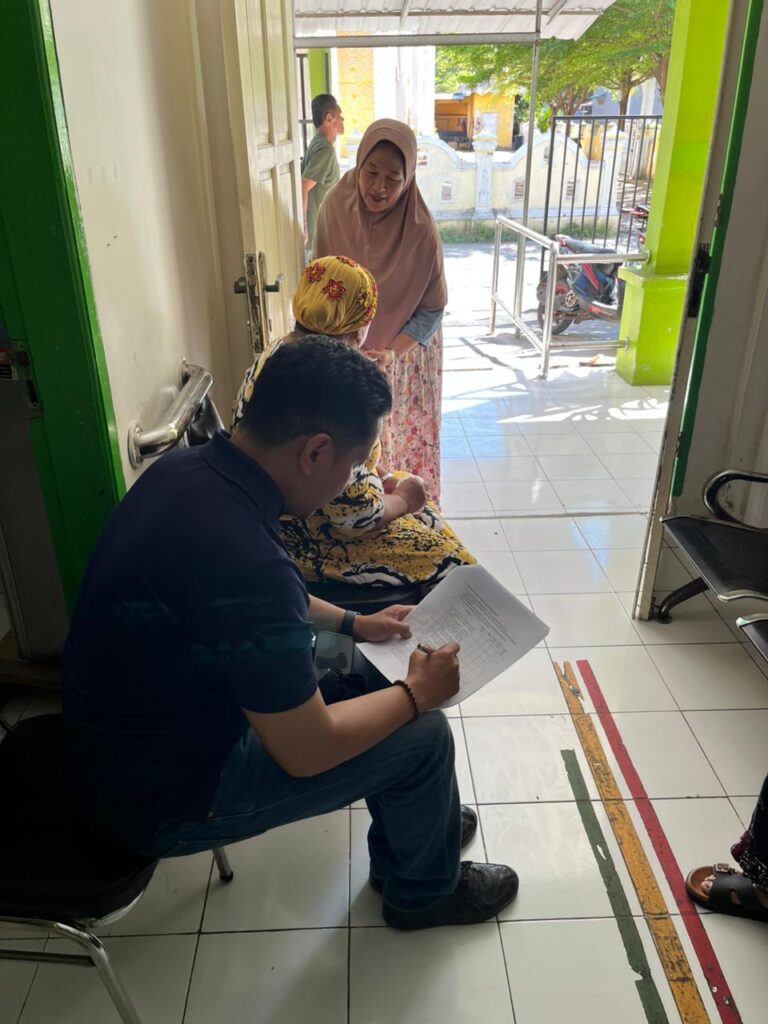
During the visit, the research team interviewed 10 patients with diabetes mellitus to gain a closer understanding of how treatment decisions are made in everyday life. The interviews explored issues that are often not captured in routine medical records, including personal beliefs, family influence, trust in traditional remedies, and difficulties in maintaining long term medication adherence. The findings are expected to provide a clearer picture of patient behavior and help support more responsive and culturally informed diabetes care.
The visiting team consisted of Principal Investigator: apt. Muh. Akbar Bahar, Ph.D.; apt. Anshar Saud, M.Farm.; apt. Dzulfiana Ashan, M.Si.; and student researchers: apt. Nurdin, S.Farm.; apt. Adinda Juliawaty, S.Farm.; apt. Indra Purnama Sari, S.Farm.; and apt. Hermin, S.Si. Their presence on the island reflected a collaborative learning process that linked academic research with real community health concerns.
This activity is closely connected to several Sustainable Development Goals. It contributes to SDG 1 No Poverty, because better diabetes management can help reduce the long term financial burden of illness on patients and families. It supports SDG 3 Good Health and Well Being by generating evidence to improve chronic disease care. It also advances SDG 4 Quality Education, as students and researchers gained direct field experience in patient centered research. Equally important, it reflects SDG 17 Partnerships for the Goals, through collaboration between researchers, students, health workers, and the local community.
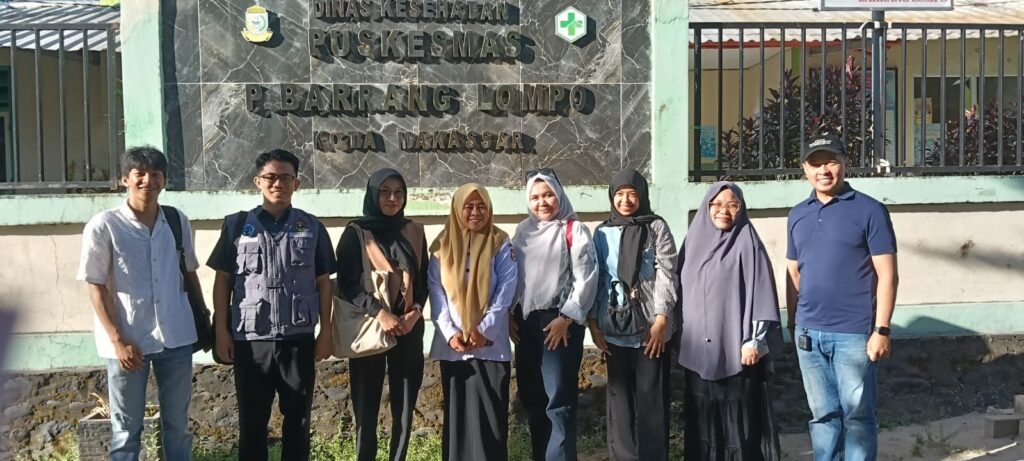
Through this visit, PharmRG reaffirmed its commitment to producing evidence based, community grounded research that can support better healthcare for underserved populations, including those living in Indonesia’s island areas.