MAKASSAR, Indonesia, April 28, 2026/PEDNRG/– Preeclampsia is often called a “silent threat” in pregnancy, yet many women do not fully understand its risks. What makes this study unique is its focus on health literacy—not just medical factors—as a key driver of maternal outcomes. By connecting knowledge, behavior, and risk, this research offers a fresh and practical perspective on preventing one of the most dangerous pregnancy complications.
A recent study “Health Literacy and Risk Factors for Preeclampsia: A Case-Control Study in Community Health Centers of Maros District, South Sulawesi”, published in Journal of Education and Health Promotion on July 31, 2025, highlights how knowledge can save lives. Conducted in community health centers in Maros District, Indonesia, this research involved 144 pregnant women and explored how health literacy, along with medical and social factors, influences the risk of preeclampsia.
Preeclampsia is a serious condition marked by high blood pressure and protein in urine after 20 weeks of pregnancy. Globally, it contributes to around 76,000 maternal deaths and 500,000 newborn deaths each year . Despite these alarming numbers, many cases could be prevented through early detection and proper understanding.
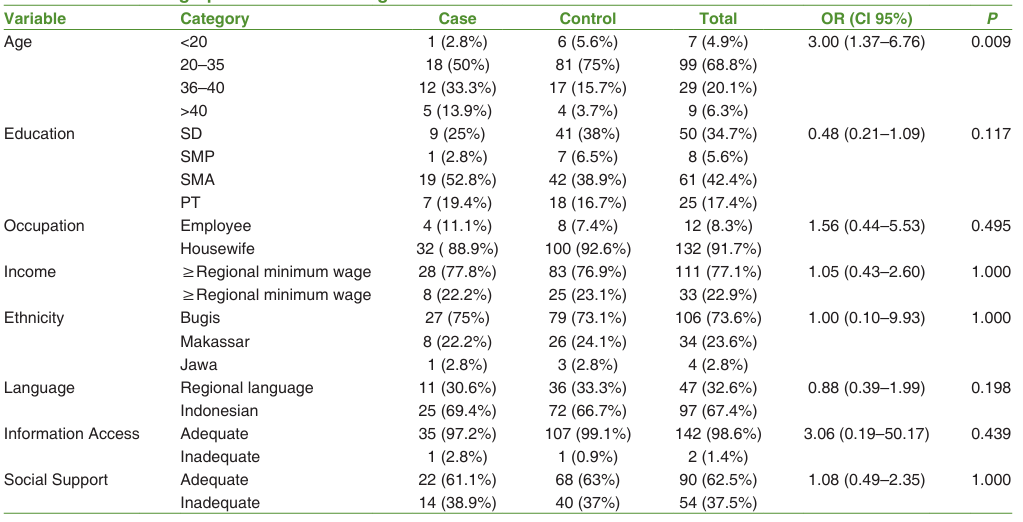
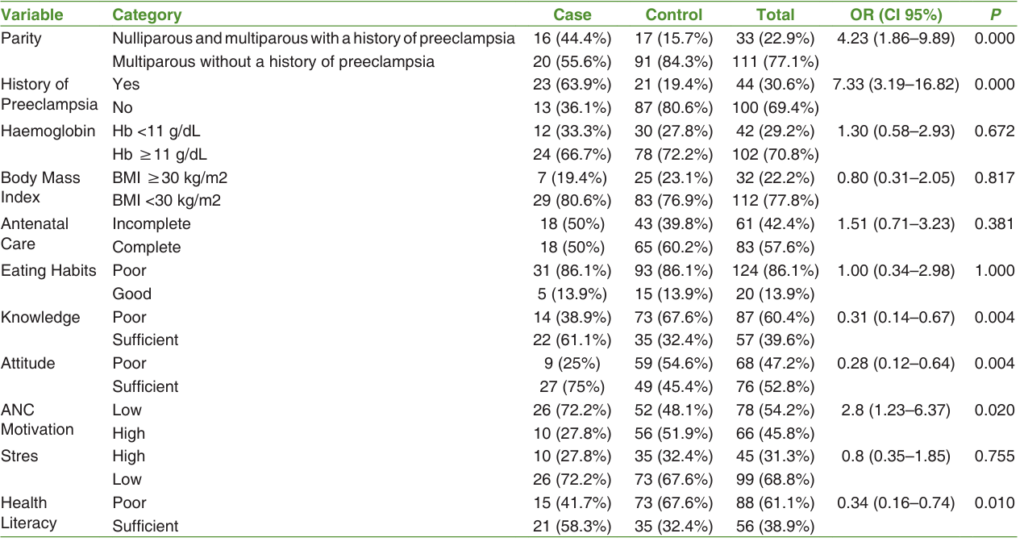
The study found several key risk factors. Women who were younger than 20 or older than 40 had a higher risk. A history of preeclampsia and certain pregnancy patterns also increased vulnerability. However, one of the most important findings was the role of health literacy—the ability to access, understand, and use health information.
Women with low health literacy were significantly more likely to develop preeclampsia. This happens because they may struggle to recognize warning signs, follow medical advice, or attend regular antenatal care visits. In contrast, women with better understanding were more proactive in managing their health and seeking care.
This study also supports SDGs 4: Quality Education becomes essential. Education is not limited to classrooms—it includes health education that empowers individuals to make informed decisions. When pregnant women understand their health risks, they are more likely to adopt preventive behaviors. Health literacy, therefore, becomes a powerful tool for saving lives. At the same time, SDGs 3: Good Health and Well-being, as improving maternal knowledge directly contributes to reducing maternal and infant mortality. Education and health are deeply connected—better knowledge leads to better outcomes.
Another important finding was the role of motivation in attending antenatal care (ANC). Women who lacked motivation were more likely to develop complications. This suggests that healthcare systems need not only to provide services but also to encourage and educate patients effectively. What makes this research impactful is its real-world relevance. It does not rely solely on clinical data but highlights everyday challenges faced by pregnant women—limited information, low awareness, and barriers to accessing care.
In future, preventing preeclampsia is not just about medical treatment—it is about knowledge. By strengthening health literacy and education, communities can empower women to take control of their health.
Reference:
Contact:
Prof. Kadek Ayu Erika
+62 813-4212-9855
kadek20_uh@yahoo.com
kadekayu@unhas.ac.id