
MAKASSAR, Indonesia, April 27, 2026 — Stunting remains a critical public health issue in Indonesia, with a prevalence reaching 19.8% in 2024. This condition is not merely about impaired physical growth but represents a serious threat to the future quality of the nation’s human resources, affecting cognitive development, productivity, and long-term health outcomes. Addressing this issue requires not only clinical interventions but also strong community education, family engagement, and innovative approaches that integrate technology with healthcare services.
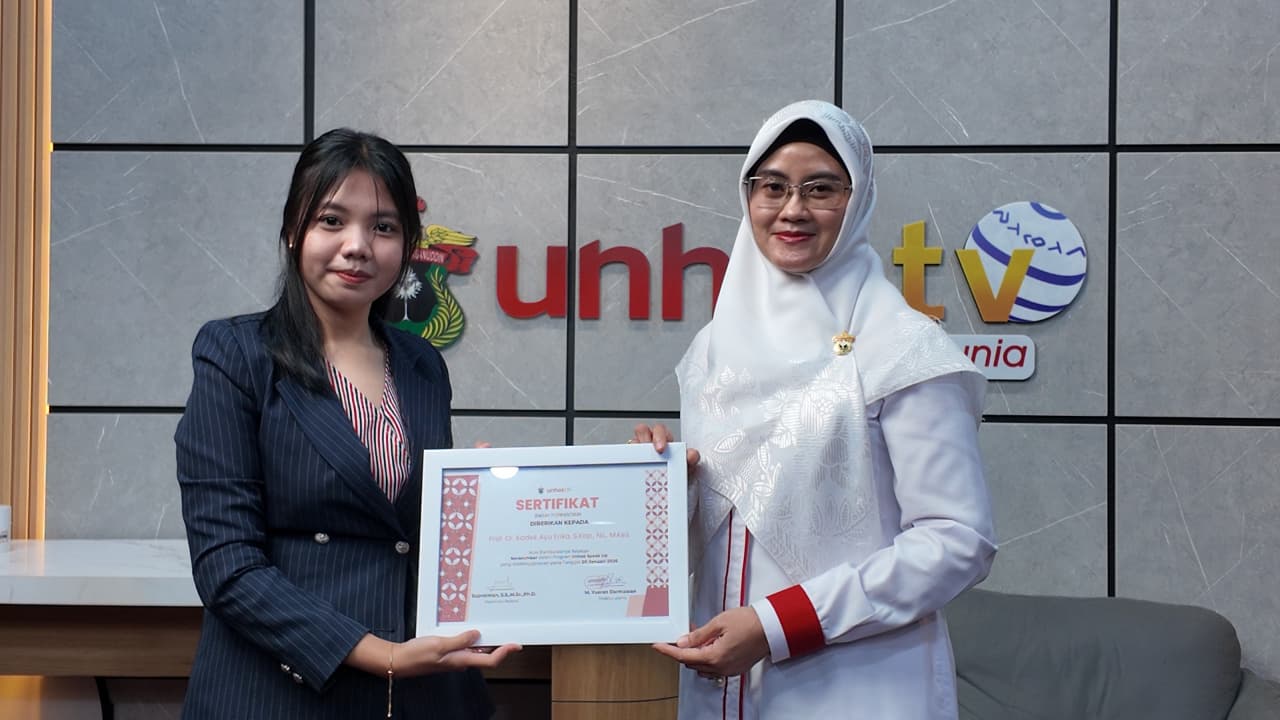
In response to this challenge, an educational program digital innovation and pediatric nursing to prevent stunting through SEHATI application was conducted at Studio Unhas TV- Makassar, Live Streaming via Youtube on January 20, 2026. This activity aimed to increase public knowledge regarding stunting prevention, emphasizing the importance of early detection, proper nutrition, and continuous monitoring of child growth and development.
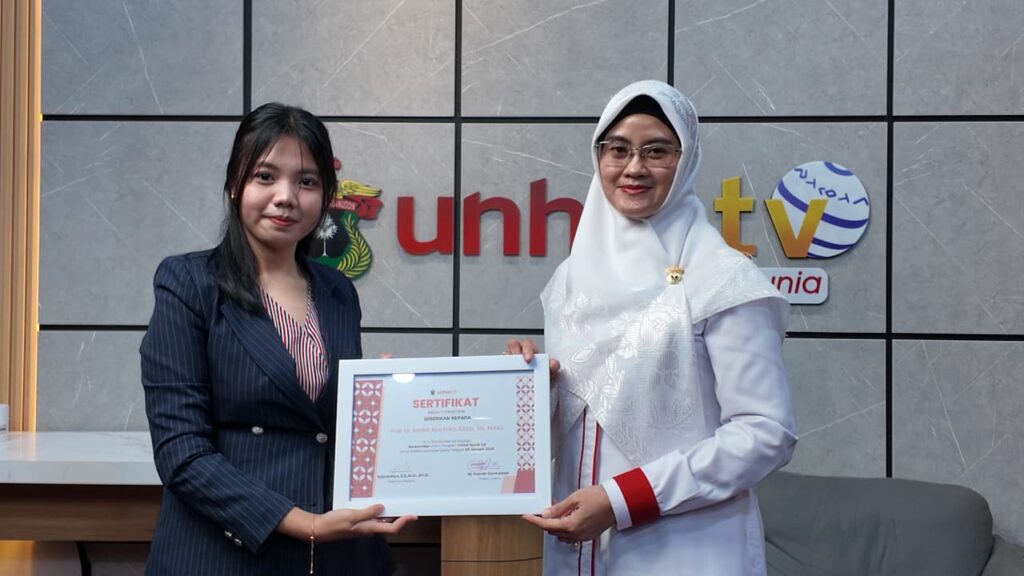
The program featured reached 157 viewers, 1 host, 1 speaker, 20 staff and audience in location, reflecting a broad audience engagement through digital media platforms. The session highlighted the strategic role of pediatric nursing in addressing stunting, particularly in empowering families with knowledge and practical skills. Nurses, as frontline healthcare providers, monitoring child development, and facilitating early interventions.
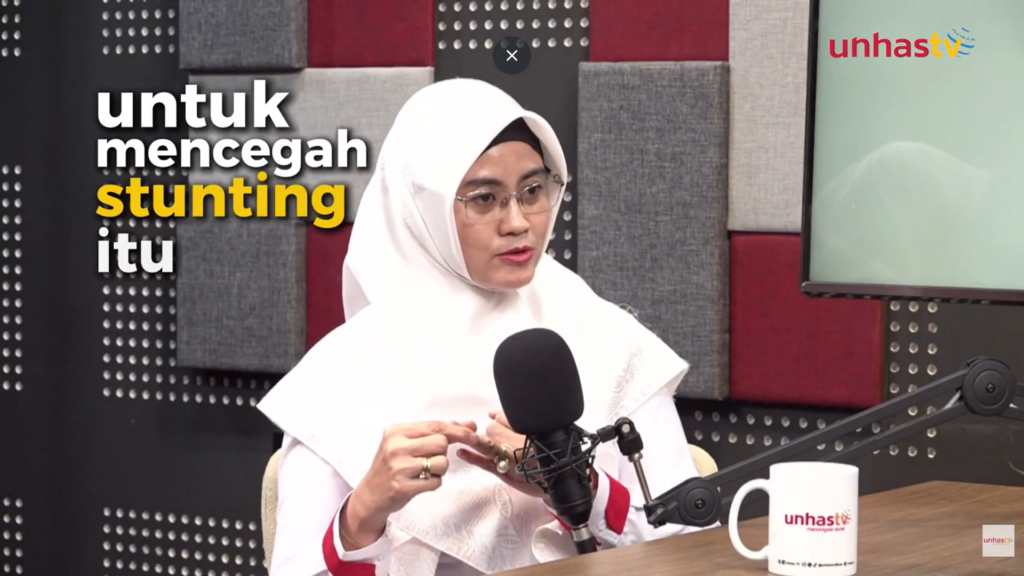
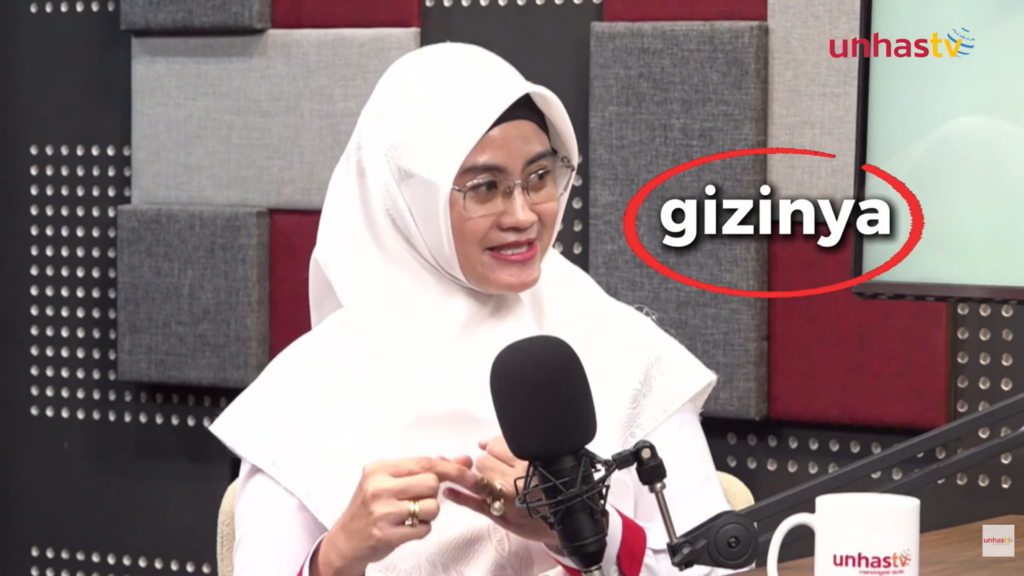
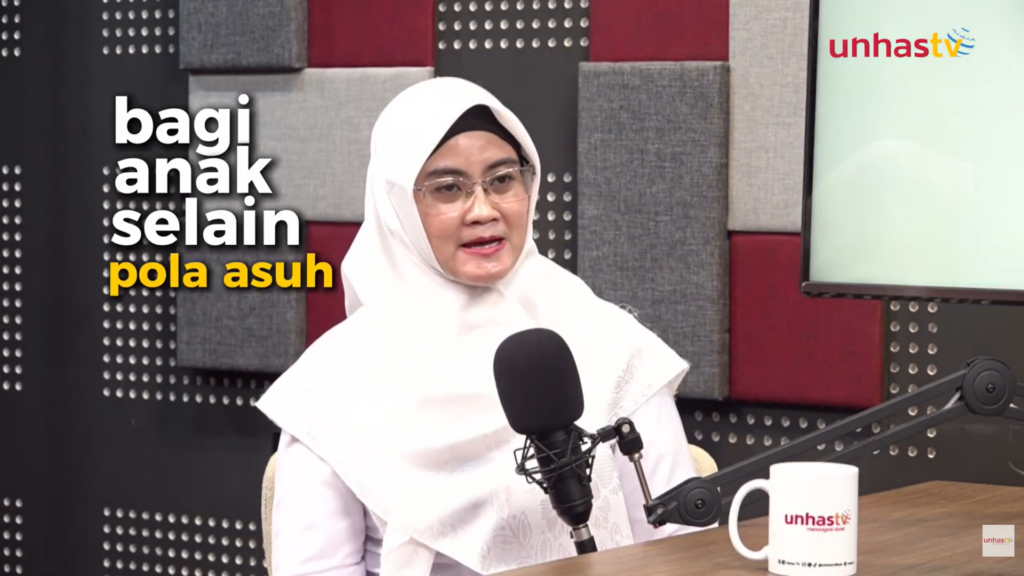
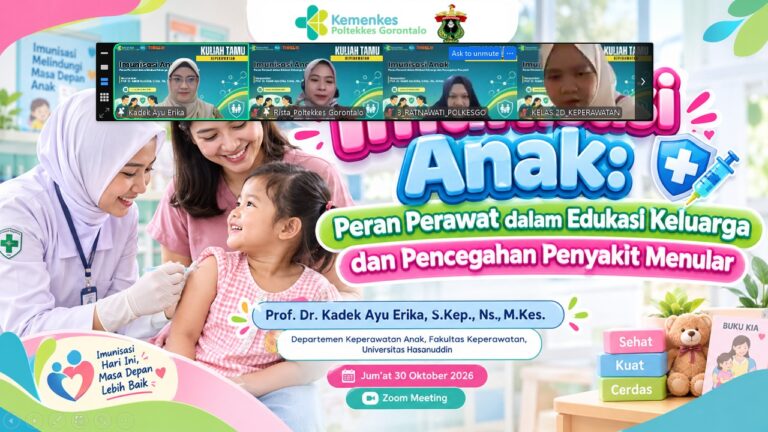
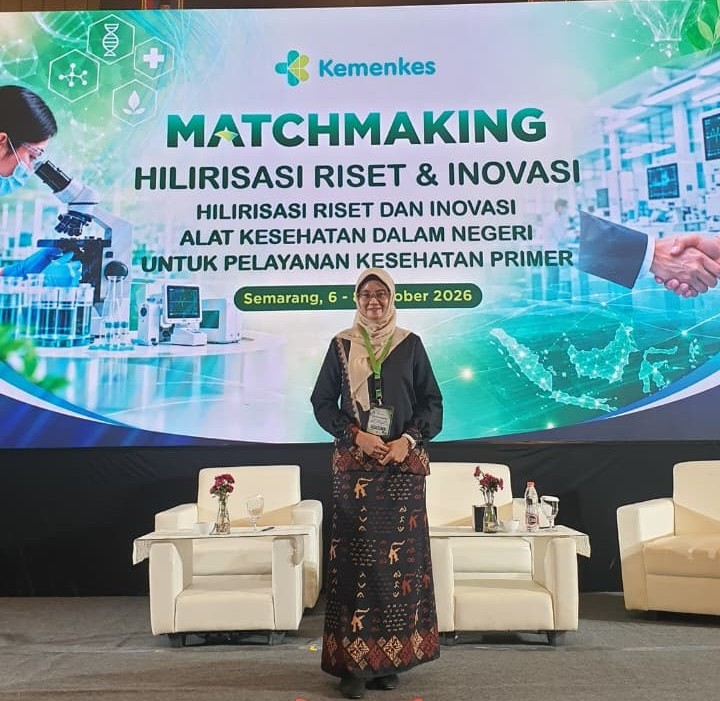
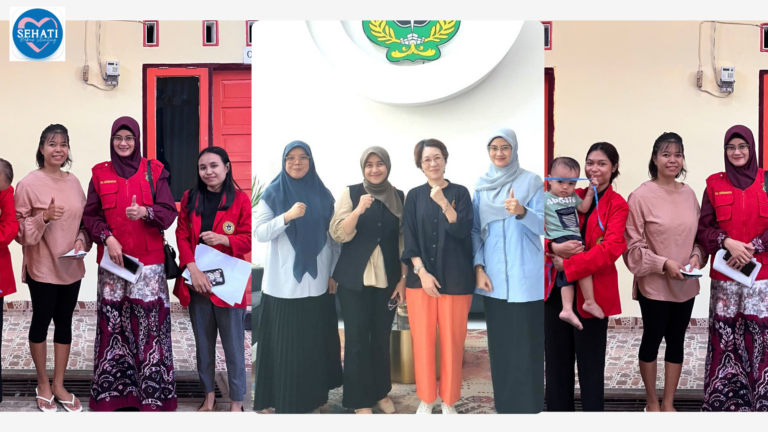
A key highlight was the introduction of the SEHATI application, an innovative digital solution developed PEDNRG Leader by Prof. Dr. Kadek Ayu Erika, S.Kep., Ns., M.Kes., and team. This application supports real-time monitoring of children’s growth and development while also providing accessible health education for families. By integrating technology into routine healthcare practices, SEHATI enhances the effectiveness of stunting prevention strategies, making them more responsive, personalized, and sustainable.
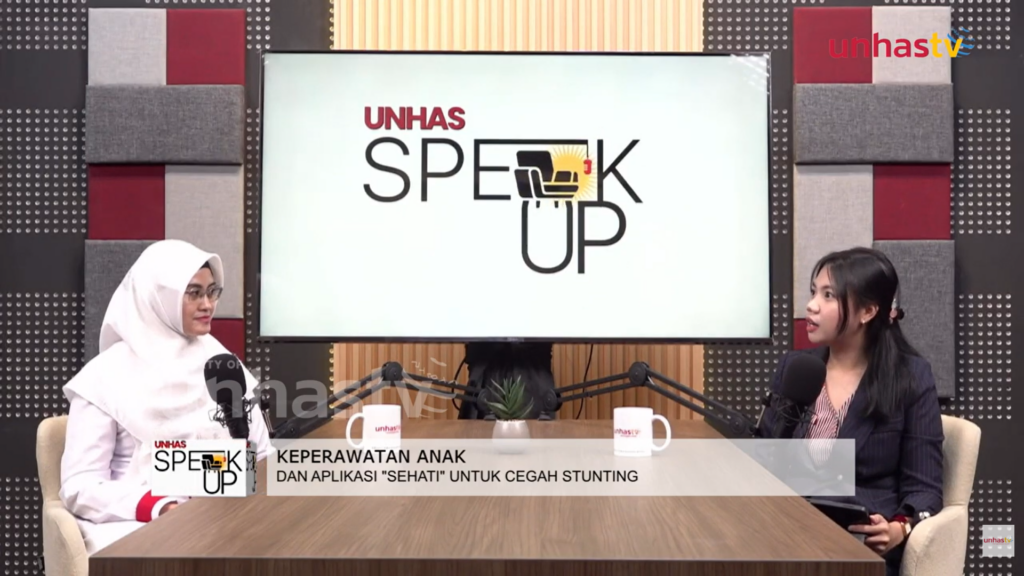
The importance of family involvement in preventing stunting. Parents and caregivers are encouraged to actively participate in monitoring their children’s nutritional intake, health status, and developmental milestones. Through the support of healthcare professionals and digital tools like SEHATI, families are better equipped to make informed decisions that promote optimal child growth.
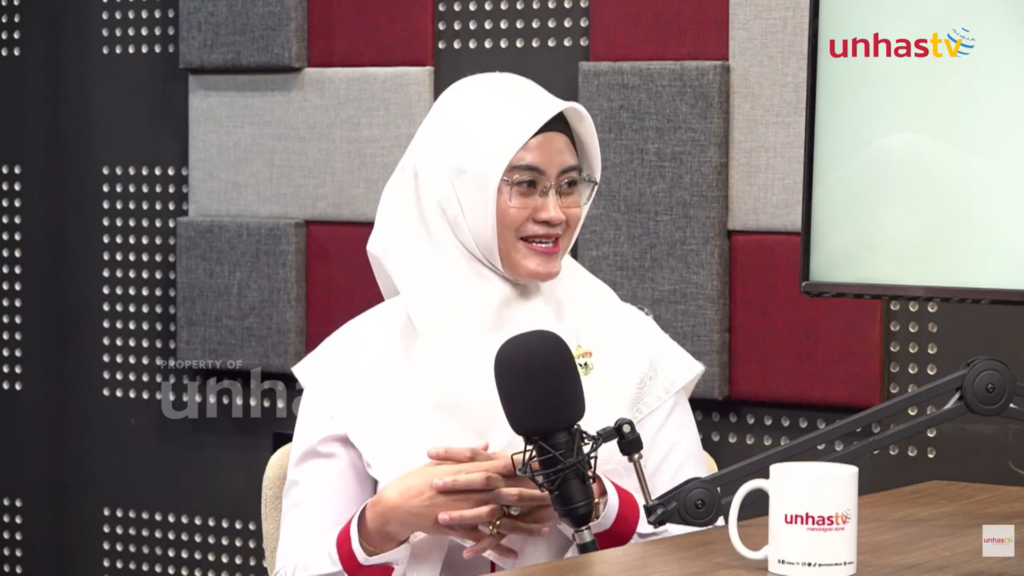
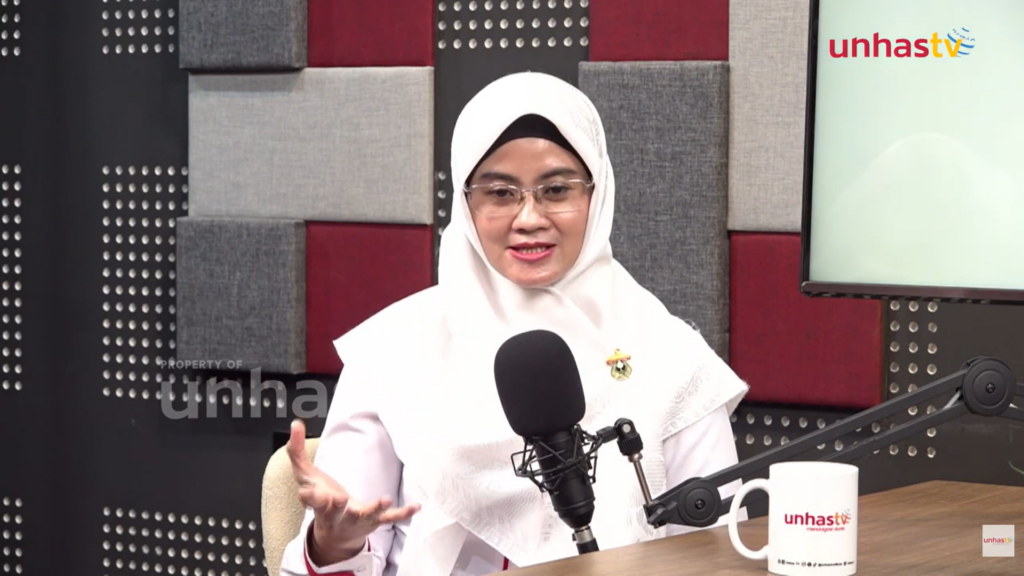
This activities contributes directly to SDGs 3: Good Health and Well-being by promoting child health and preventing malnutrition. It supports SDGs 4: Quality Education by providing accessible health education to the public. Furthermore, it relates to SDGs 1: No Poverty, as improving child health can break the cycle of poverty by enhancing future productivity. The collaborative nature of this program, involving academia, media, and healthcare professionals, reflects SDGs 17: Partnerships for the Goals.
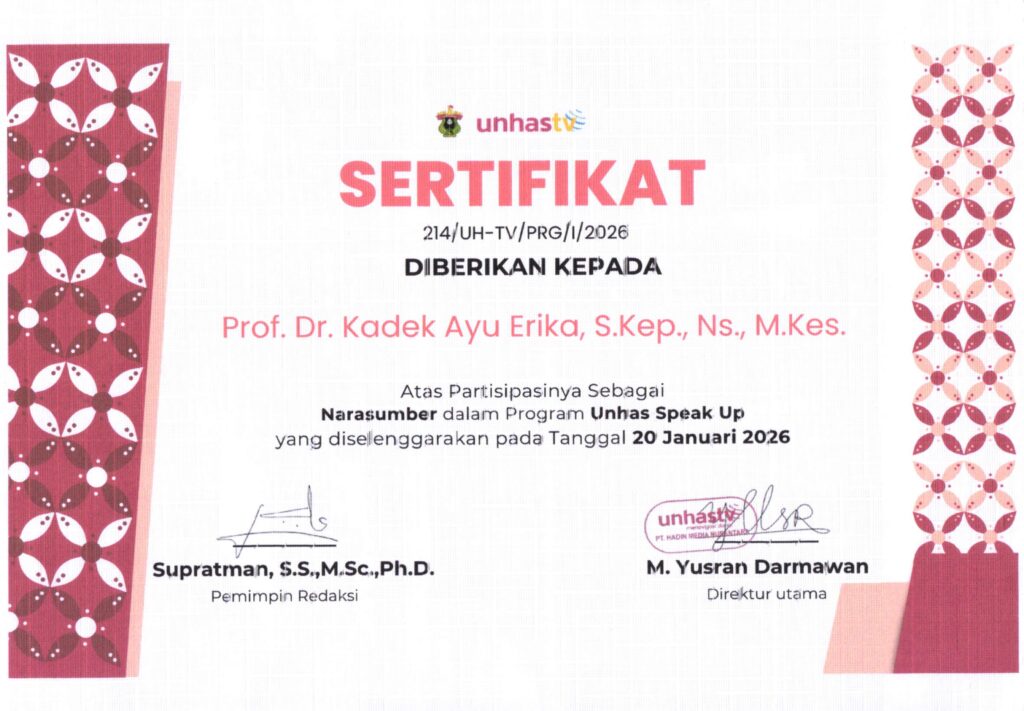
More forward, the integration of pediatric nursing and digital innovation through the SEHATI application represents a promising approach to addressing stunting in Indonesia. By combining education, technology, and community engagement, this program contributes to building a healthier and more resilient generation. Strengthening such initiatives is essential to ensure sustainable progress toward national health goals and the realization of a high-quality future generation.
See more on: