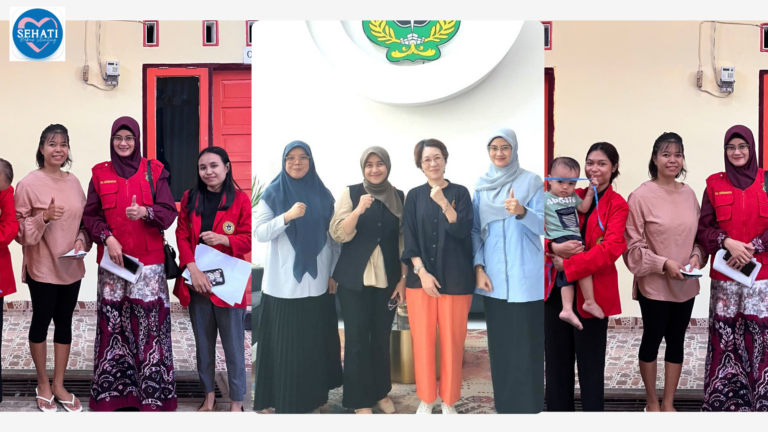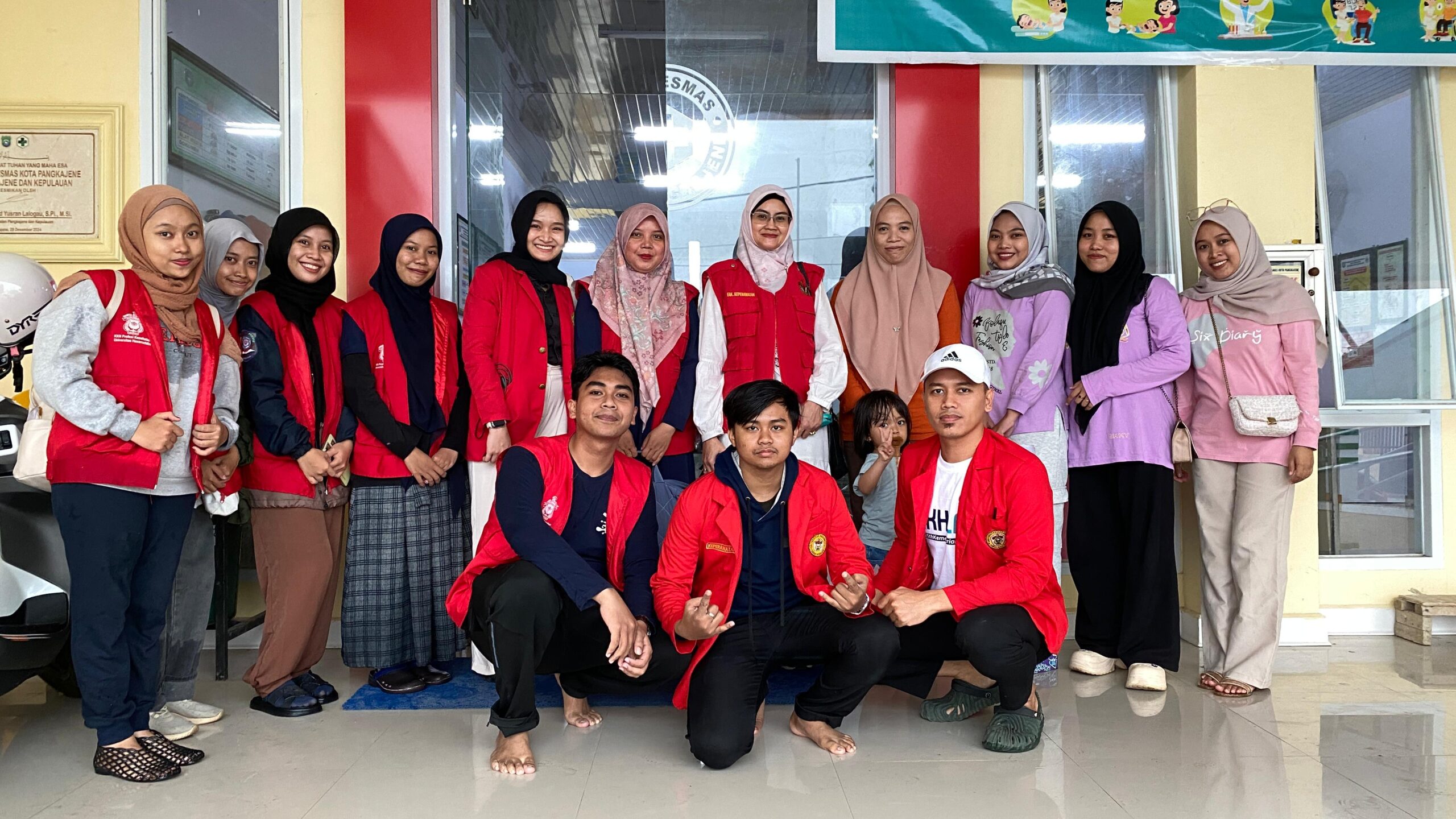

Pangkajene and Kepulauan Regency, Indonesia, April 7, 2026 – As part of our commitment to the Tri Dharma of Higher Education, research, and community service, PEDNRG conducted a community engagement program focused on the use of SEHATI application to improve child nutritional monitoring and health literacy in Pangkajene and Kepulauan Regency, particullarly Kelurahan Pabundukang, Jagong, and Mapasaile. One such initiative is the implementation of the SEHATI application (Sistem Evaluasi Kesehatan Anak Tumbuh Ideal), a digital platform designed to assist mothers in monitoring their children’s nutritional status while simultaneously enhancing maternal health literacy. This activities highlights how digital innovation can transform child health at the community level. In an era where smartphones are widely used, this study introduces SEHATI as a practical solution to monitor nutrition and improve parental understanding, making early detection of child health problems more accessible, timely, and effective.
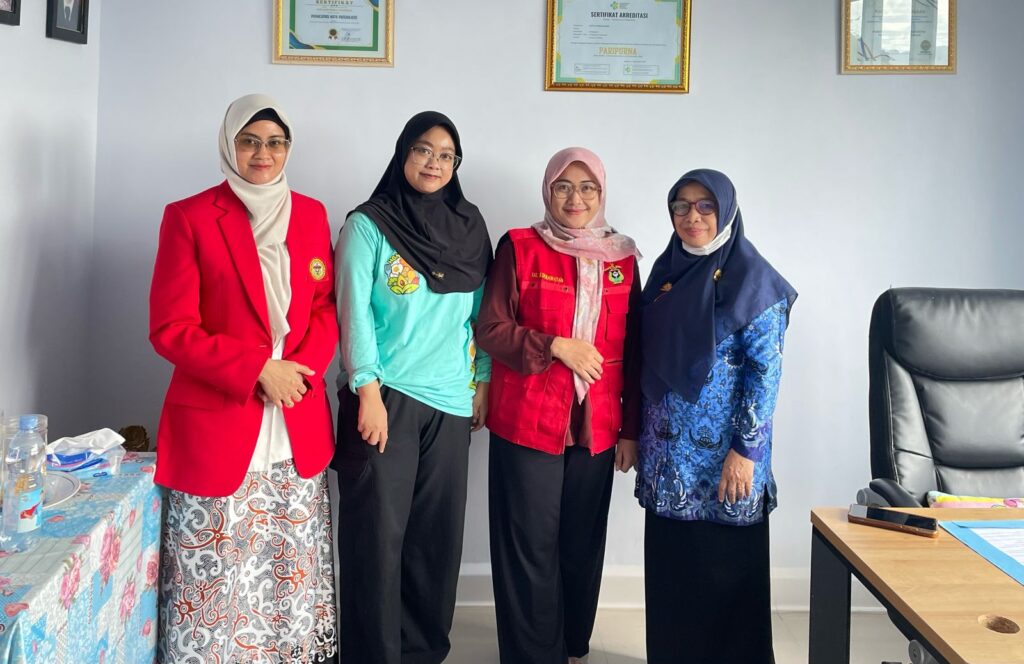
The primary objective of this research activity was to evaluate the effectiveness of the SEHATI application in improving mothers’ ability to monitor the nutritional status of children with stunting, as well as to enhance their health literacy. By strengthening maternal knowledge and skills, this intervention aims to contribute to better child health outcomes and long-term prevention of malnutrition. This study was conducted in the working area of Puskesmas Kota Pangkajene, Kabupaten Pangkep, with intervention groups located in Kelurahan Pabundukang and Jagong, while the control group was based in Kelurahan Mapasaile. The activity took place over a three-month period, allowing sufficient time to observe behavioral changes and application utilization among participants.
The activity was conducted from 17 May 2025 to 31 August 2025, involving a total of 74 mothers with children under five years old. This activities contributed PEDNRG leader by Prof. Dr. Kadek Ayu Erika, S.Kep., Ns., M.Kes., and lecture by Nur Fadilah, S.Kep., Ns., MN., and Nurlaila Fitriani, S.Kep., Ns., M.Kep., Sp.Kep.J., through structured guidance, training sessions, and continuous monitoring, mothers in the intervention group were introduced to the SEHATI application as a tool for tracking child growth, accessing educational content, and consulting health-related concerns. This approach not only facilitated independent monitoring but also fostered a sense of empowerment among mothers in managing their children’s health.
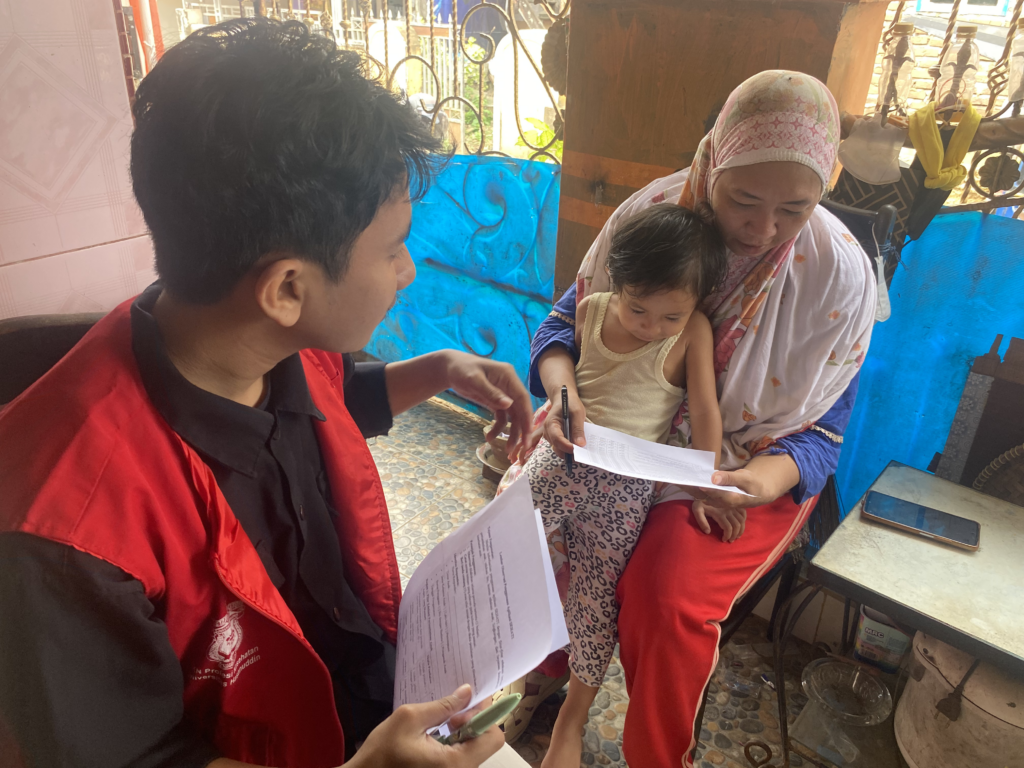
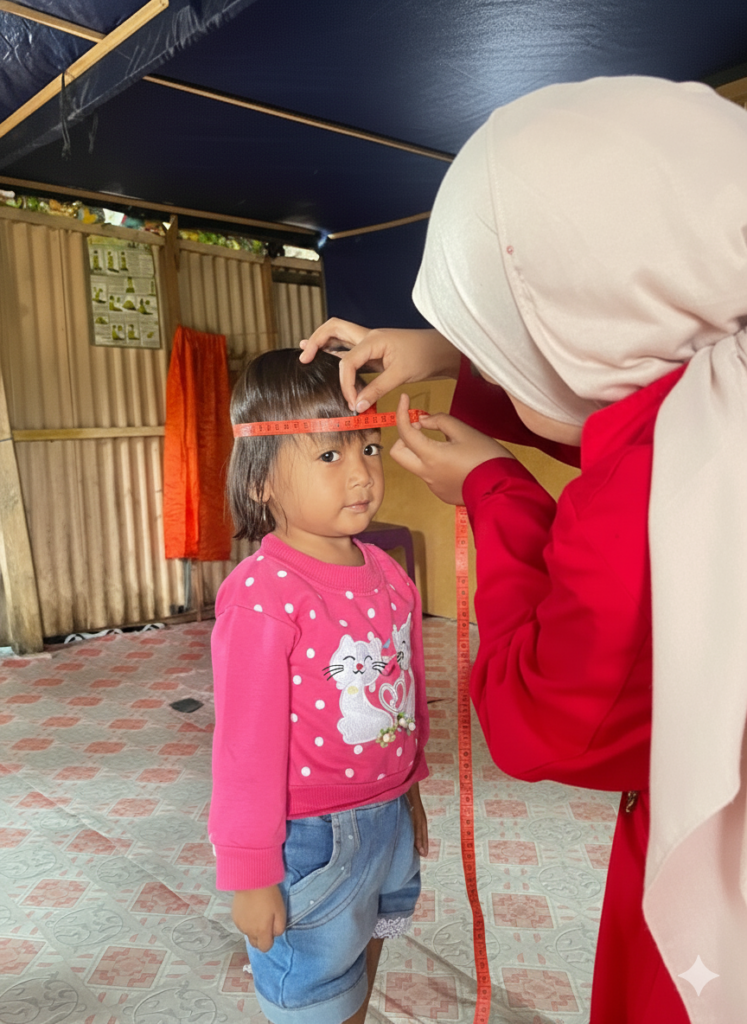
This community engagement initiative by PEDNRG underscores a commitment to the SDGs 3 (Good Health and Well-being) by improving child health status and reducing the risk of stunting. SDGs 1 (No Poverty) by addressing the long-term economic consequences of stunting through early prevention and the enhancement of human capital. It also supports SDGs 4 (Quality Education), as the application improves health literacy and fosters continuous learning among mothers regarding child nutrition and development. SDGs 17 (Partnerships for the Goals) through collaboration among healthcare providers, community stakeholders, and digital innovation platforms to achieve shared health outcomes.
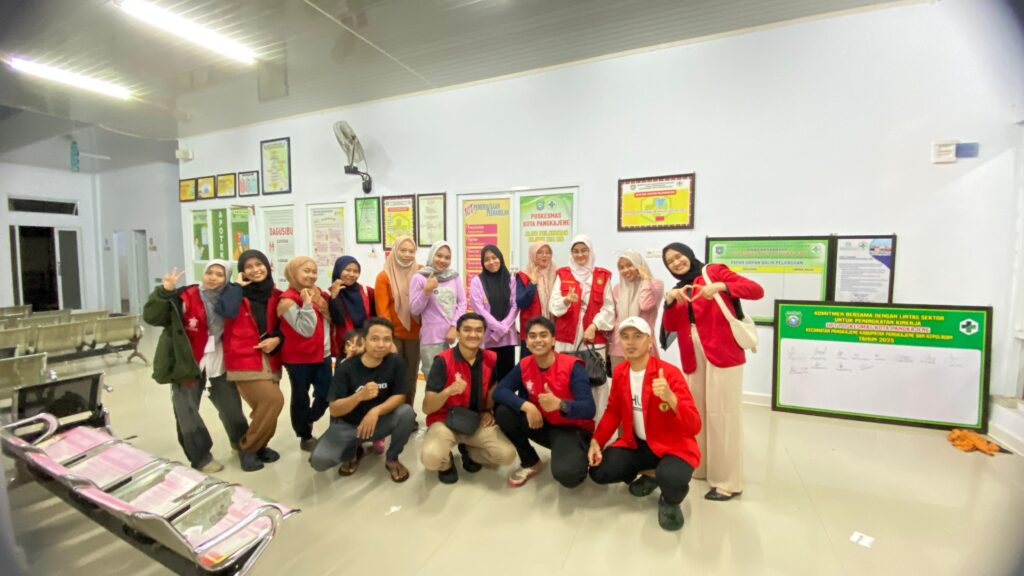
Overall, the utilization of the SEHATI application demonstrates the potential of digital health interventions in strengthening community capacity, improving maternal competencies, and addressing complex public health challenges such as stunting.