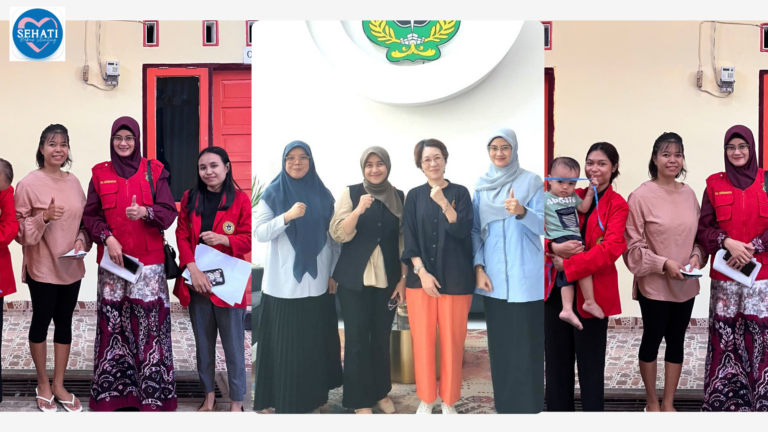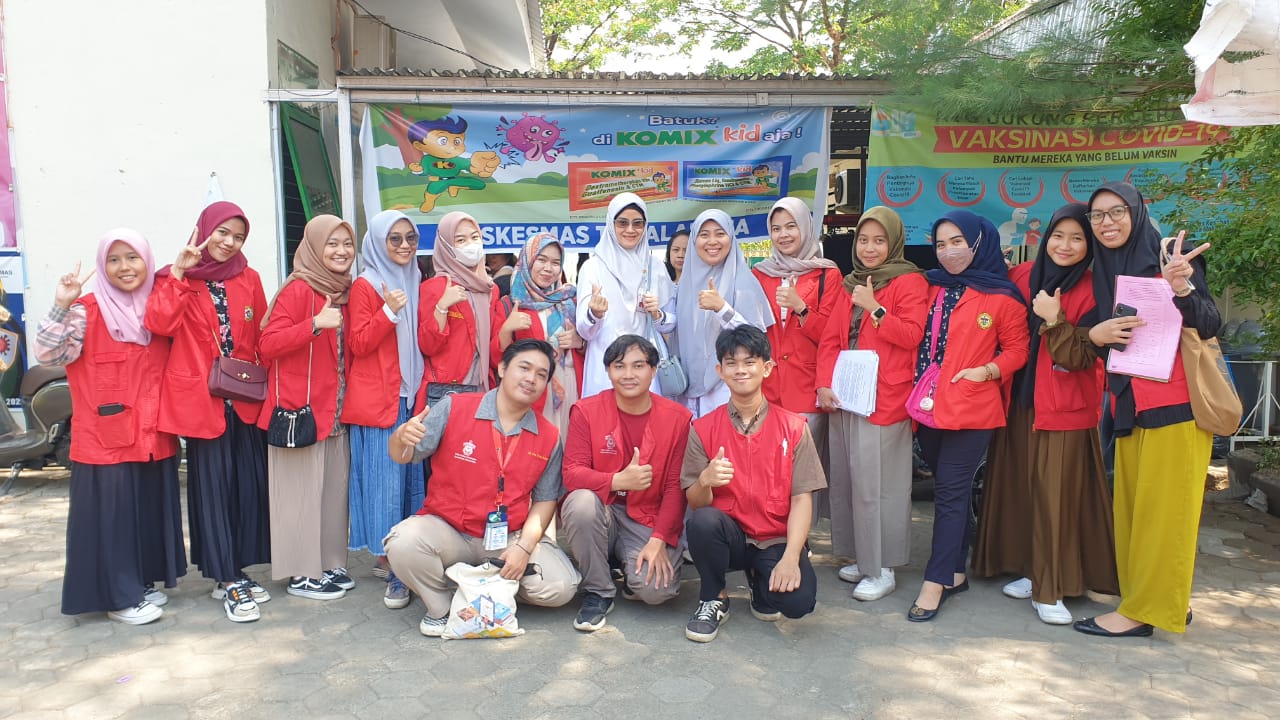

Makassar City, Indonesia, December 23, 2024 – The fight against child stunting in Indonesia requires not only strong policies but also innovative, accessible solutions that empower families at the grassroots level. One such initiative is the implementation of the SEHATI (Sistem Evaluasi Kesehatan Anak Tumbuh Ideal) application, a digital “super app” designed to support parents in preventing and managing stunting through education, monitoring, and consultation features. This initiative was realized through the empowering mothers through digital innovation: pilot study of the SEHATI App (2024), conducted at Puskesmas Tamalanrea, Makassar City.
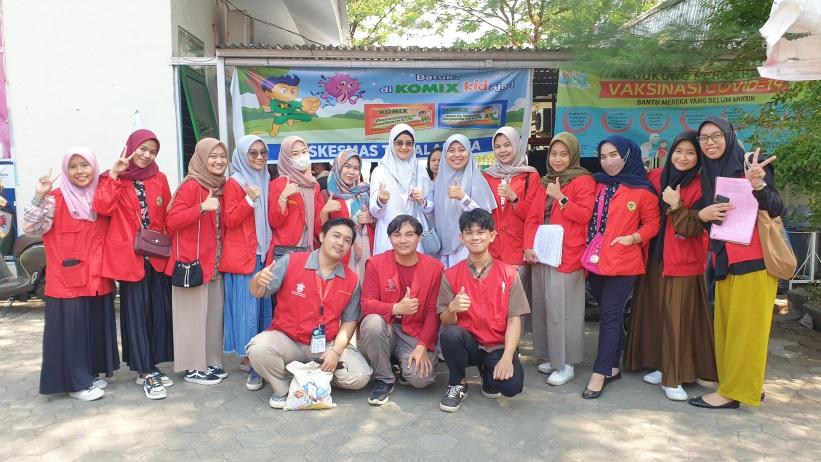
The activity was officially carried out on April 25, 2024, involving 120 mothers with toddlers who were divided into two groups: an intervention group and a control group, each consisting of 60 participants, over a period of 3 months. This activities contributed PEDNRG Leader by Prof. Dr. Kadek Ayu Erika., S.Kep., Ns., M.Kes. and lecture Nur Fadilah, S.Kep., Ns., MN. The primary objective of this pilot study was to develop a stunting super app as a one-stop solution for prevention and management, while also evaluating the effectiveness of the SEHATI application in improving maternal knowledge regarding child growth and nutrition.
During the implementation, researchers and trained enumerators played a key role in collecting data and ensuring the quality of the intervention. Specifically, the researchers and enumerators administered pretest and posttest questionnaires to measure changes in mothers’ knowledge after receiving stunting prevention education through the SEHATI App. This approach allowed for a structured evaluation of the app’s impact on users’ understanding and awareness.
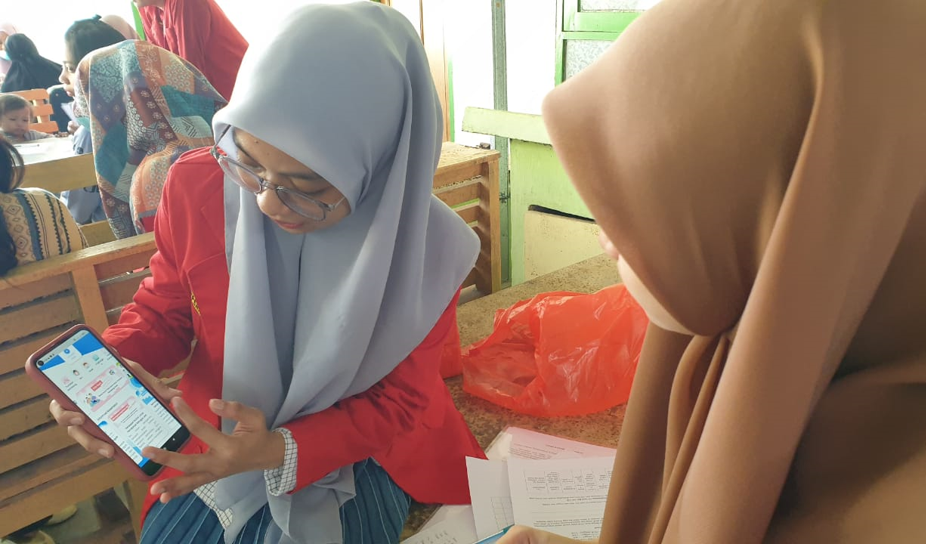
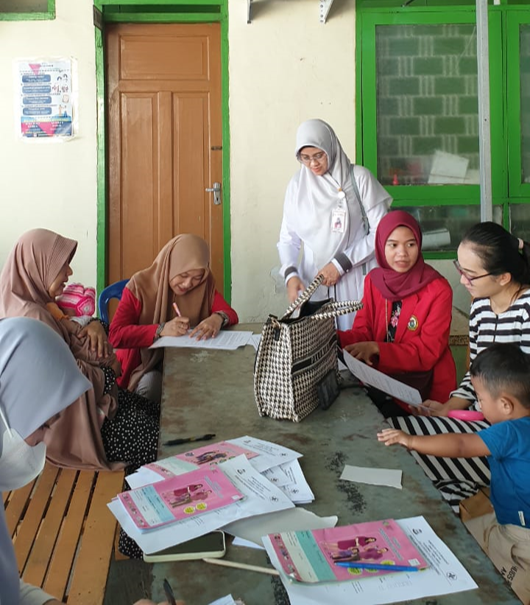
The SEHATI application itself is built on a comprehensive framework that integrates maternal health education, child health monitoring, and environmental health awareness into one platform. Previous research has shown that such digital health interventions can significantly increase parental knowledge and engagement, ultimately contributing to better child health outcomes. Through this pilot study, mothers were able to access practical information about nutrition, breastfeeding, complementary feeding, and routine growth monitoring. The app also provided visual growth charts and consultation features, enabling mothers to actively participate in their children’s development.
Importantly, this activity contributes directly to SDGs 3 (Good Health and Well-being( by promoting early detection and prevention of stunting through accessible health education. SDGs 4 (Quality Education) by enhancing health literacy among mothers, enabling them to make informed decisions regarding their children’s growth and nutrition. SDGs 1 (No Poverty), as preventing stunting can reduce long-term economic burdens associated with poor health and low productivity. SDGs 17 (Partnerships for the Goals), as it involves collaboration between researchers, healthcare providers, and community participants in addressing a complex public health challenge.
Overall, the Pilot Study of the SEHATI App demonstrates how digital innovation can be effectively integrated into primary healthcare settings. Moving forward, sustained collaboration and continuous development of the application will be essential to maximize its impact and scalability across Indonesia.