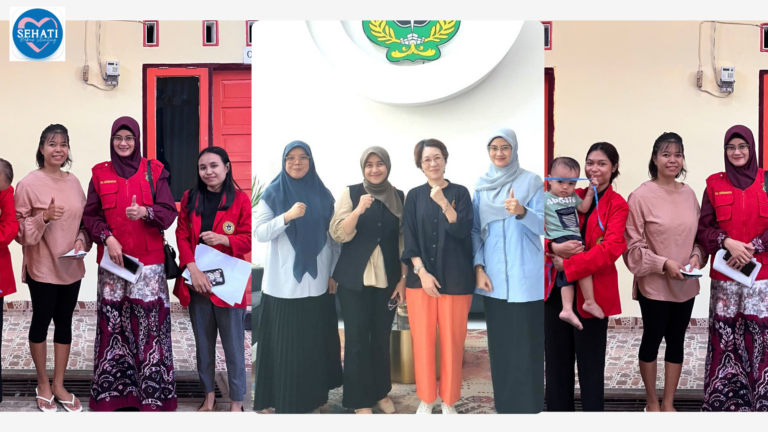
Makassar City, Indonesia, December 23, 2024 – Efforts to reduce stunting in Indonesia require not only strong health interventions but also innovative digital solutions that are accessible, integrated, and user-friendly. In response to this need, the activity titled Feature Development of Ideal Child Health Evaluation System (SEHATI) App was conducted in Makassar City as an early and crucial phase in developing a comprehensive stunting superapp. This activity on April 31, 2023 until August 31, 2023. This activities contributed PEDNRG Leader by Prof. Dr. Kadek Ayu Erika., S.Kep., Ns., M.Kes. and lecture Nur Fadilah, S.Kep., Ns., MN. It also emphasized stakeholder collaboration, data-driven decision-making, and community empowerment to ensure sustainable impact and scalable implementation across diverse healthcare settings in Indonesia.

This activity by PEDNRG aims to develop a Stunting Superapp, a one-stop application designed as an effort to prevent and manage stunting in Indonesia. This activity marking an important milestone in the development of a one-stop digital application designed to support stunting prevention and management in Indonesia. At this stage, the research team focused on conceptualizing and designing the core features of the SEHATI App through a structured and evidence-based approach.
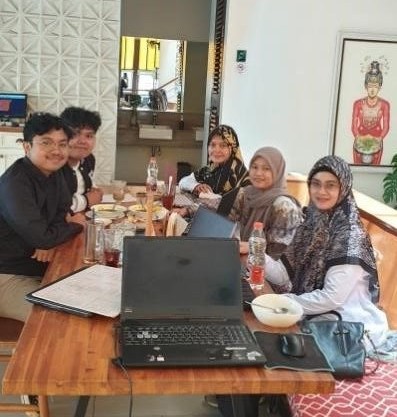
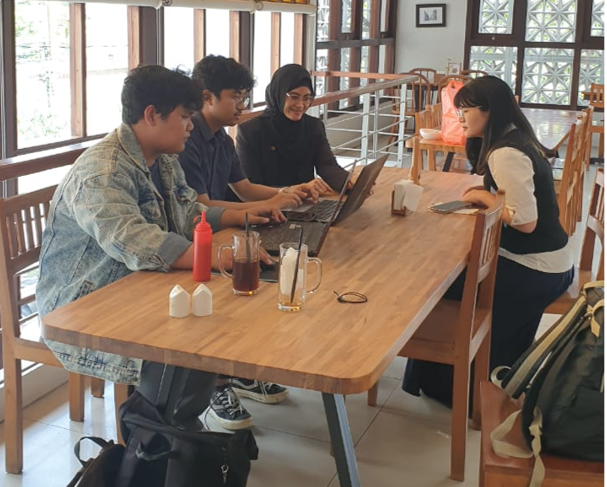
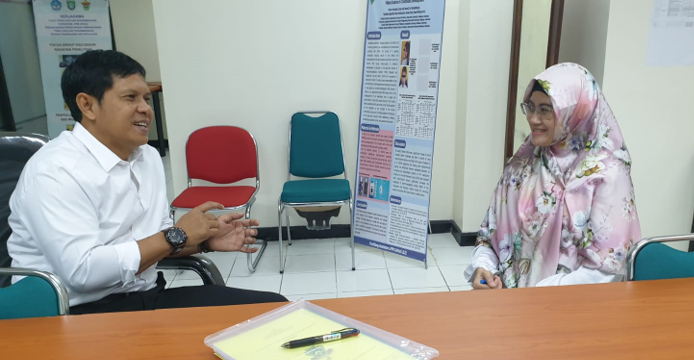
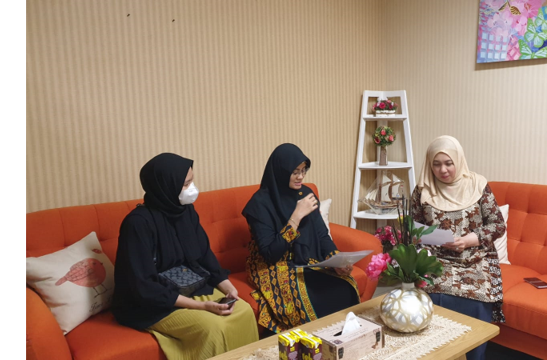
The development process involved a 3-round Delphi study with 12 experts, representing multidisciplinary backgrounds including nursing, medicine, information technology, and the Indonesian language, as well as 30 parents who have toddlers with stunted growth. This collaborative approach ensured that the content and features of the application were both scientifically valid and practically relevant. The Delphi method allowed experts to reach consensus on key components needed for effective stunting prevention, including maternal health education, child health monitoring, and environmental health awareness. Furthermore, the application content underwent a validation process using the content validity index (CVI), resulting in a cumulative agreement of ≥80% among 5 evaluators. This indicates that the features developed were considered highly relevant, appropriate, and user-friendly. The involvement of diverse experts and end-users highlights the importance of inclusivity and collaboration in digital health innovation.
This activity contributes directly to SDGs 3: Good Health and Well-being by promoting early prevention and improved management of child stunting through digital health education. It also advances SDGs 4: Quality Education, as the app is designed to enhance health literacy among parents, enabling them to make informed decisions regarding nutrition and childcare. Importantly, this initiative aligns with SDGs 1: No Poverty, since preventing stunting can reduce long-term socioeconomic burdens associated with poor health outcomes. Moreover, the collaborative nature of this activity reflects SDGs 17: Partnerships for the Goals, as it brings together experts, researchers, and community representatives to address a complex public health issue.
Moving forward, continued refinement and real-world implementation will be essential to ensure that the SEHATI App can effectively contribute to improving child health and achieving sustainable development goals. The Feature Development phase of the SEHATI App represents a foundational step in transforming how stunting prevention is approached in Indonesia.