

MAKASSAR, Indonesia 10 May 2026/PRG – Cocoa is more than just the main ingredient of chocolate. For millions of farmers around the world, especially in tropical countries, cocoa is an important source of income and economic stability. However, cocoa production continues to face serious challenges from plant diseases, one of the most damaging being Vascular-Streak Dieback (VSD). This disease attacks cocoa trees and reduces productivity, threatening the livelihoods of farming communities and the sustainability of agricultural ecosystems.
A scientific study published in the IOP Conference Series: Earth and Environmental Science by IOP Publishing on 26 May 2020 provides new insight into this problem. The article, titled “Modified Culture Assay to Obtain a Diversity of Hyphal Structures of Ceratobasidium theobromae-VSD Pathogen on Cocoa,” explored innovative laboratory methods to better understand the fungus Ceratobasidium theobromae, the pathogen responsible for VSD disease in cocoa plants.
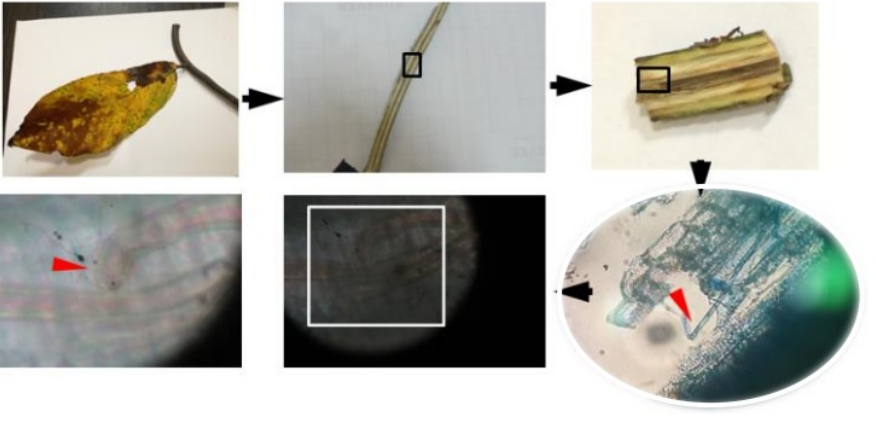
Although the title sounds highly technical, the research carries an important message for everyday life. Scientists are trying to better understand how this pathogen grows and behaves so that future disease management strategies can become more effective. One major challenge in studying Ceratobasidium theobromae is that the fungus is difficult to grow under laboratory conditions. Without proper fungal growth, researchers face obstacles in observing its structures and identifying how the disease spreads.
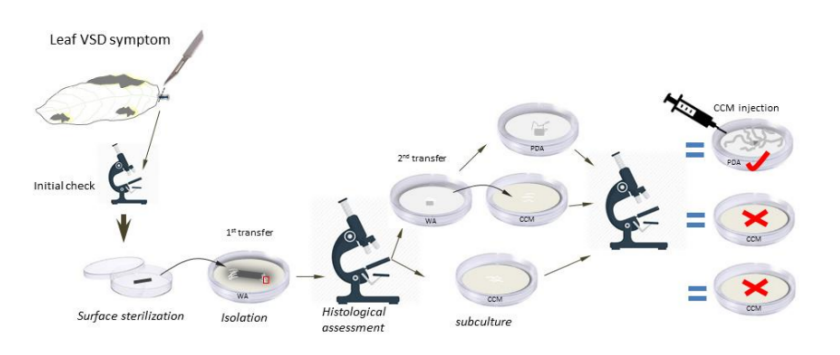
To address this issue, the researchers developed a modified culture assay, a laboratory technique designed to encourage the fungus to produce different hyphal structures. Hyphae are thread-like parts of fungi that play an important role in growth and infection. By successfully obtaining more diverse fungal structures, researchers can study the pathogen in greater detail and improve scientific understanding of VSD disease.
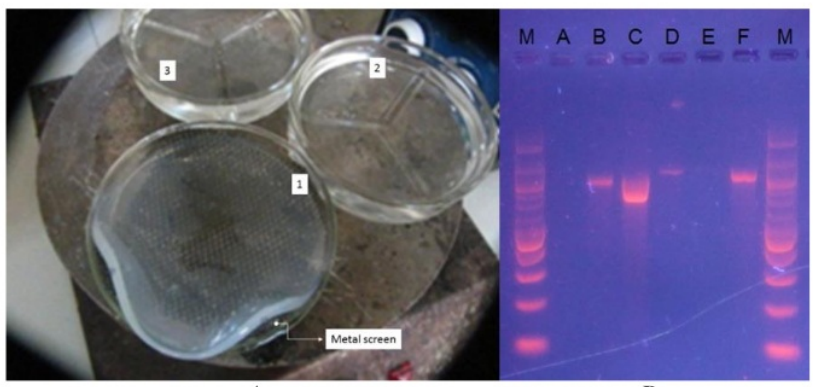
This achievement may sound small, but it has significant long-term implications. Better understanding of plant pathogens can support the development of healthier cocoa plantations, more accurate disease detection, and environmentally friendly control methods. These improvements can ultimately help farmers protect their crops and maintain stable incomes.
The study is closely connected with the United Nations Sustainable Development Goals (SDGs), particularly SDG 15: Life on Land. Healthy agricultural ecosystems are essential for biodiversity, food security, and sustainable land management. When plant diseases like VSD are controlled effectively, cocoa farms can remain productive without excessive use of harmful chemicals that may damage soil and surrounding ecosystems.
In addition, the research also indirectly supports SDG 1: No Poverty because cocoa farming is a major livelihood for many rural families. Reducing crop losses means improving economic resilience for smallholder farmers. The research also contributes to SDG 17: Partnerships for the Goals, as scientific collaboration and publication in international journals allow knowledge to be shared globally among researchers, agricultural experts, and policymakers.
Scientific research is often viewed as something distant from daily life, but studies like this demonstrate how laboratory innovation can create real-world impacts. Behind every chocolate bar enjoyed by consumers, there are farmers, scientists, and researchers working together to protect cocoa plants from devastating diseases. Through continued research and global collaboration, sustainable cocoa production can become a stronger reality for future generations.


