

MAKASSAR, Indonesia 10 May 2026/PRG – Climate change is no longer a distant environmental issue. It is already affecting food production, water supplies, and the livelihoods of millions of farmers around the world. In many developing countries, including Pakistan, rising temperatures, irregular rainfall, floods, droughts, and water shortages are making agriculture increasingly difficult. Farmers are now facing challenges that previous generations never experienced at this scale.
A published research article titled An Assessment of In-service Training Needs for Agricultural Extension Field Staff in the Scenario of Climate Change using Borich Needs Assessment Model explored this urgent issue in depth. The article was published in the Sarhad Journal of Agriculture on 20 April 2020. The study was conducted by Ejaz Ashraf and his research team to evaluate whether agricultural extension workers in Pakistan have enough knowledge and skills to help farmers adapt to climate change.

The researchers focused on agricultural extension field staff, often called the “frontline educators” of farming communities. These workers are responsible for guiding farmers about crop management, water use, pest control, and new agricultural technologies. However, the study revealed that many extension workers lacked sufficient understanding of climate change adaptation and mitigation strategies. As a result, farmers may not receive the practical guidance they need to survive changing environmental conditions.
The study used the Borich Needs Assessment Model, a method designed to identify gaps between the skills workers currently possess and the skills they actually need. Through surveys and data analysis, the researchers found that many extension workers required additional training in areas such as climate-smart agriculture, water conservation, disaster preparedness, and sustainable farming practices.
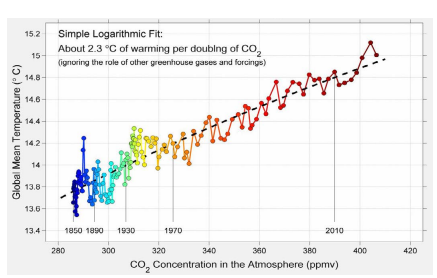
This issue strongly connects with Sustainable Development Goal (SDG) 4: Quality Education. Climate education is not only important for students in classrooms, but also for professionals working directly with communities. When extension workers receive better training, they can transfer valuable knowledge to farmers. This creates a chain of education that helps rural communities improve food production, reduce economic losses, and become more resilient to climate-related disasters.
The findings also remind us that climate change is not simply an environmental problem. It is closely connected to poverty, food security, and social welfare. Farmers who lose crops due to droughts or floods often struggle financially, which affects entire communities. By strengthening agricultural education and training systems, governments and institutions can help farmers make smarter decisions and protect their livelihoods.
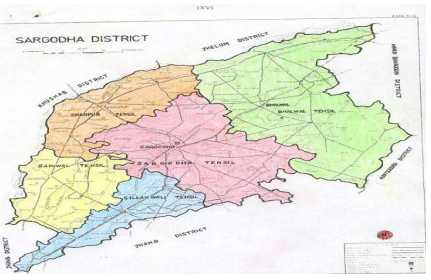
In the future, investing in human knowledge may become one of the most powerful tools against climate change. Farmers cannot fight environmental challenges alone. They need trained experts who understand modern agricultural techniques and climate risks. The research published in the Sarhad Journal of Agriculture highlights a simple but powerful message: educating agricultural extension workers today could help secure food and sustainability for future generations.


