

MAKASSAR, Indonesia 10 May 2026/PRG – Plant diseases are often invisible threats that quietly damage forests, crops, and natural ecosystems around the world. One of the most dangerous groups responsible for these problems is Phytophthora, a group of microscopic organisms known for causing root rot, leaf blight, and plant death. Although most people have never heard of it, this organism has already caused serious environmental and agricultural losses in many countries.
A scientific article titled “Extensive Morphological and Behavioural Diversity Among Fourteen New and Seven Described Species in Phytophthora Clade 10 and Its Evolutionary Implications” revealed surprising discoveries about this harmful organism. The article was published in the journal Persoonia on 13 August 2022 by Naturalis Biodiversity Center and the Westerdijk Fungal Biodiversity Institute. In the study, researchers identified fourteen new species and seven previously known species belonging to Phytophthora Clade 10. Their findings showed that these organisms have a wide range of shapes, behaviours, and survival strategies.

This discovery is important because understanding the diversity of Phytophthora can help scientists predict how plant diseases spread and evolve. Some species can survive in wet soil, while others adapt to different temperatures or attack different plant hosts. This means farmers, forest managers, and environmental experts need better monitoring systems to protect crops and ecosystems from future outbreaks.
The study also explains how evolution plays a role in the survival of these species. Over time, Phytophthora organisms develop new characteristics that make them more adaptable to environmental changes. Climate change, global trade, and movement of plants between countries can increase the spread of these dangerous pathogens. As a result, diseases that once existed only in one region may quickly appear in other parts of the world.
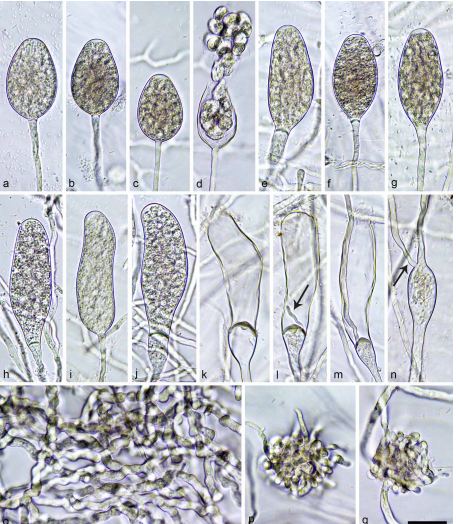
This issue is closely connected to Sustainable Development Goal (SDG) 15: Life on Land. SDG 15 focuses on protecting forests, biodiversity, and terrestrial ecosystems from degradation. Plant pathogens such as Phytophthora threaten biodiversity because they can destroy native plant populations and weaken ecosystems. When forests and crops are damaged, the effects can also impact food security and local economies.
Public awareness about plant diseases is still relatively low compared to awareness of human diseases. However, protecting plants is equally important because healthy ecosystems support human life. Forests provide oxygen, regulate climate, and protect wildlife habitats. Crops provide food and income for millions of people. Research like this helps society understand that microscopic organisms can have enormous environmental impacts.
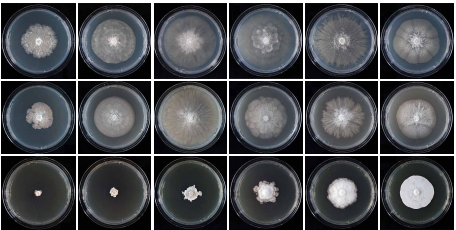
The findings from this article highlight the importance of scientific research, international collaboration, and biodiversity protection. By learning more about hidden organisms such as Phytophthora, humanity can develop smarter strategies to preserve ecosystems and reduce the risk of future environmental damage. Scientific discoveries are not only about laboratories and microscopes; they are also about protecting the natural world that supports all life on Earth.


