

MAKASSAR, Indonesia 10 May 2026/PRG – Forests are often seen as stable and timeless ecosystems, yet recent scientific discoveries reveal a very different reality. Beneath the soil and within plant tissues, invisible enemies are evolving—posing serious risks to global biodiversity and food security. A recent scientific study highlights just how much we still do not know about these hidden threats.
The article titled “Worldwide forest surveys reveal forty-three new species in Phytophthora major Clade 2 with fundamental implications for the evolution and biogeography of the genus and global plant biosecurity”, published in the journal Studies in Mycology by the Westerdijk Fungal Biodiversity Institute on February 27, 2024, uncovers a striking finding: 43 previously unknown species of Phytophthora, a group of plant-destroying pathogens, have been identified through global forest surveys . This discovery significantly expands our understanding of plant diseases and raises concerns about global ecosystem health.
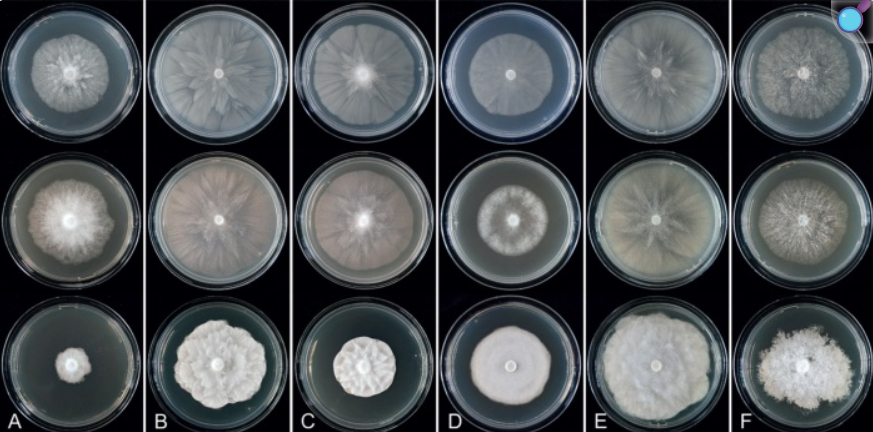
Phytophthora species are not ordinary microbes. They are responsible for some of the most devastating plant diseases worldwide, affecting crops, forests, and natural ecosystems. These organisms can live in soil, water, or even spread through the air, infecting plants in multiple ways. The study reveals that many of these newly discovered species exist in natural forests, often without obvious signs of damage—suggesting that many threats remain undetected.

Why does this matter? The answer connects directly to Sustainable Development Goal (SDG) 15: Life on Land, which focuses on protecting terrestrial ecosystems, managing forests sustainably, and halting biodiversity loss. Forests are not only home to countless species but also play a vital role in regulating climate, supporting livelihoods, and maintaining ecological balance. The emergence of unknown pathogens threatens all of these functions.
One key insight from the study is that relying only on known pathogens for plant protection strategies is no longer sufficient. Many harmful species remain unidentified, meaning current biosecurity systems may overlook critical risks. This is especially concerning in a globalized world where plant materials are frequently transported across regions, potentially spreading pathogens to new environments.
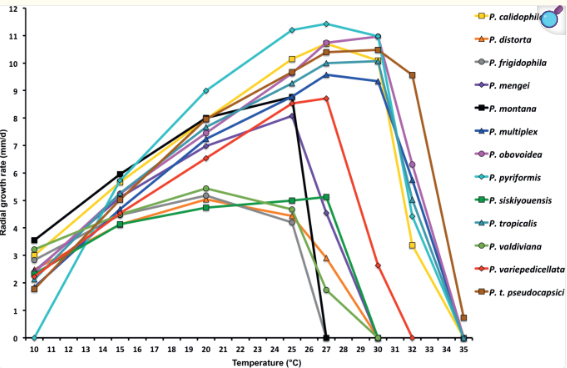
Moreover, the research highlights how these pathogens have evolved over millions of years, adapting to different continents and ecosystems. Some species have developed the ability to spread through the air, increasing their potential impact. Others show signs of hybridization, which may enhance their adaptability and virulence.
To address these challenges, the study emphasizes the need for more comprehensive forest surveys, especially in underexplored regions such as parts of Asia, Africa, and South America. Improved monitoring, scientific collaboration, and stronger international partnerships are essential steps forward.
In conclusion, this research reminds us that protecting forests requires more than visible conservation efforts—it demands a deeper understanding of hidden biological threats. By advancing scientific knowledge and aligning with SDG 15, we can better safeguard the world’s forests and ensure a healthier planet for future generations.


