

MAKASSAR, Indonesia 10 May 2026/PRG – Chocolate is more than just a treat—it is a livelihood for millions of farmers and a global industry worth billions. Yet behind every chocolate bar lies a fragile system increasingly threatened by plant diseases that attack cacao trees, the source of cocoa beans. A scientific review published in Phytopathology reveals how both long-known and emerging diseases are putting chocolate production at serious risk.
Cacao (Theobroma cacao) originated in the Amazon and has been cultivated for over 5,000 years. Today, however, it faces devastating biological threats. According to the research, up to 38% of global cacao production is lost annually due to diseases . These losses are not just numbers—they translate into reduced income for farmers, higher prices for consumers, and instability in global supply chains.

Among the most damaging diseases is black pod rot, caused by Phytophthora species. This disease spreads rapidly in wet conditions, rotting cacao pods and sometimes killing entire trees. Another major threat is witches’ broom disease, which deforms plant growth and drastically reduces yield. In Latin America, frosty pod rot has caused severe production declines, while in Southeast Asia, vascular-streak dieback continues to affect plantations.
What makes these diseases especially dangerous is their ability to spread across regions. Human activities—such as moving infected plant material—combined with climate change, are accelerating the spread of pathogens into new areas. Once established, these diseases are difficult and costly to control.
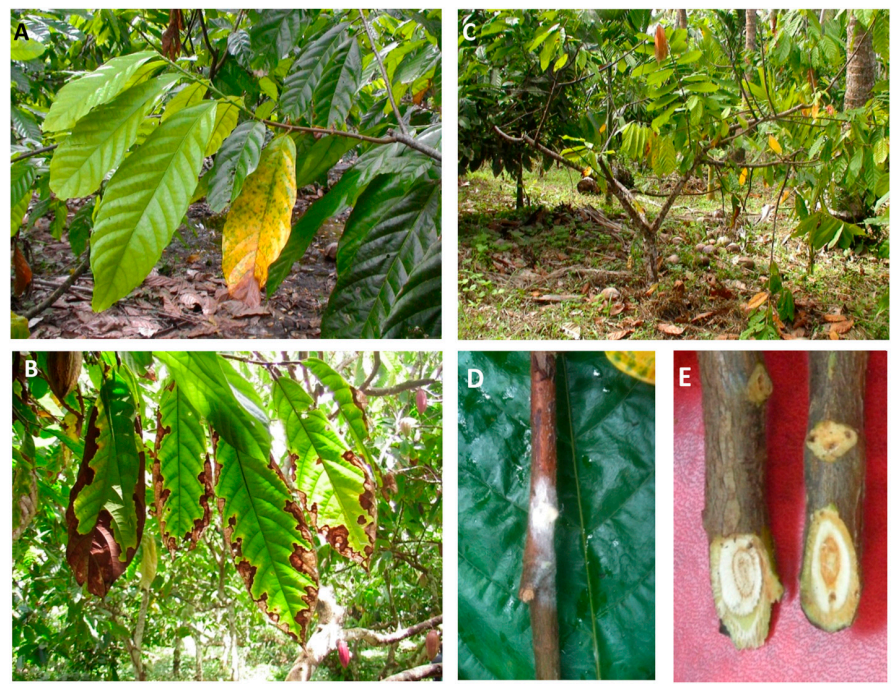
Despite these challenges, scientists and farmers are not standing still. Efforts to manage cacao diseases include improved farming practices like sanitation (removing infected pods), better drainage, and the use of disease-resistant plant varieties. Advances in genomics are also helping researchers understand how pathogens infect cacao, opening the door to more effective solutions in the future.
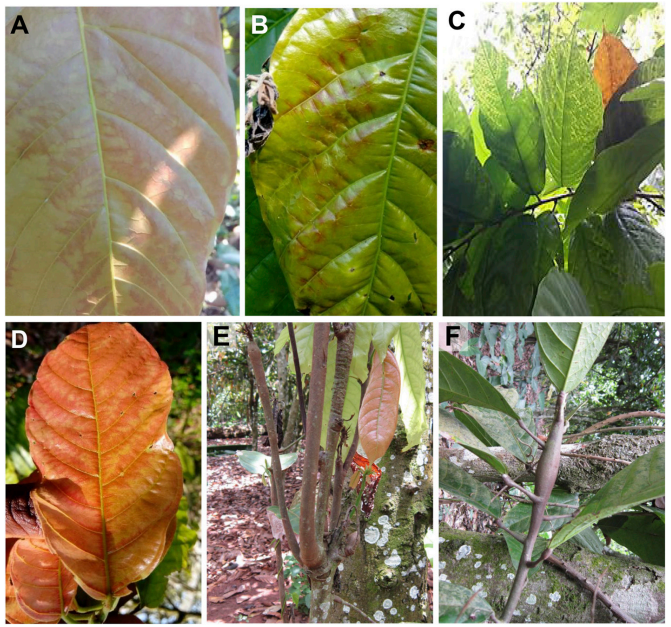
This issue is closely linked to SDG 15: Life on Land, which emphasizes the protection of ecosystems and sustainable use of terrestrial resources. Healthy cacao crops are part of broader agricultural ecosystems, and protecting them helps maintain biodiversity, support rural communities, and ensure long-term sustainability.
The source of this discussion comes from a peer-reviewed scientific article titled “Chocolate Under Threat From Old and New Cacao Diseases.” It was published in the journal Phytopathology by the American Phytopathological Society (APS) on May 20, 2019. The article synthesizes global research on cacao diseases, including their biology, spread, and management strategies, providing a comprehensive understanding of the threats facing chocolate production today.
In the end, protecting chocolate means protecting the trees, the farmers, and the ecosystems behind it. Without serious attention to these invisible threats, the future of chocolate could become far less sweet.


