

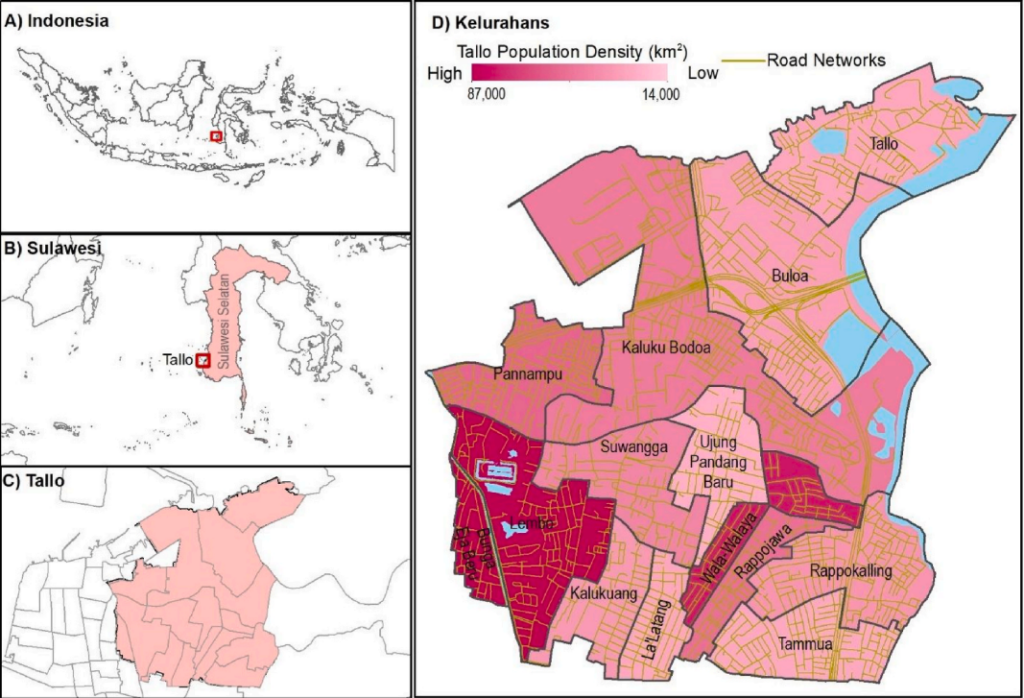
MAKASSAR, Indonesia 9 May 2026/PRG – Imagine if we could stop dengue outbreaks before they even begin—simply by spotting where mosquitoes are likely to breed. In many tropical cities like Makassar, Indonesia, something as ordinary as a discarded tire can quietly become a dangerous hotspot for disease. These tires collect rainwater, creating the perfect environment for Aedes aegypti, the mosquito responsible for spreading dengue, Zika, and chikungunya.
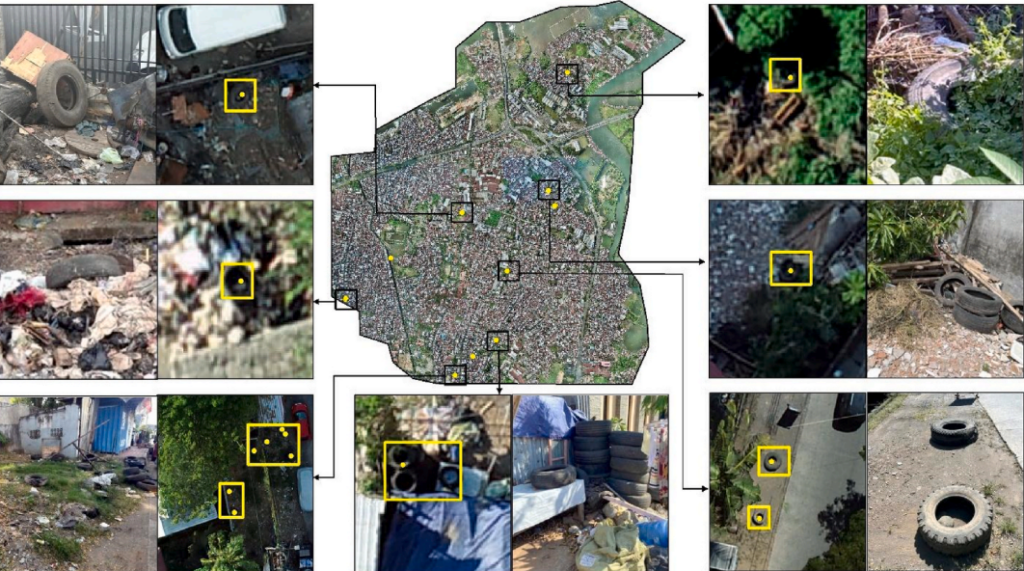
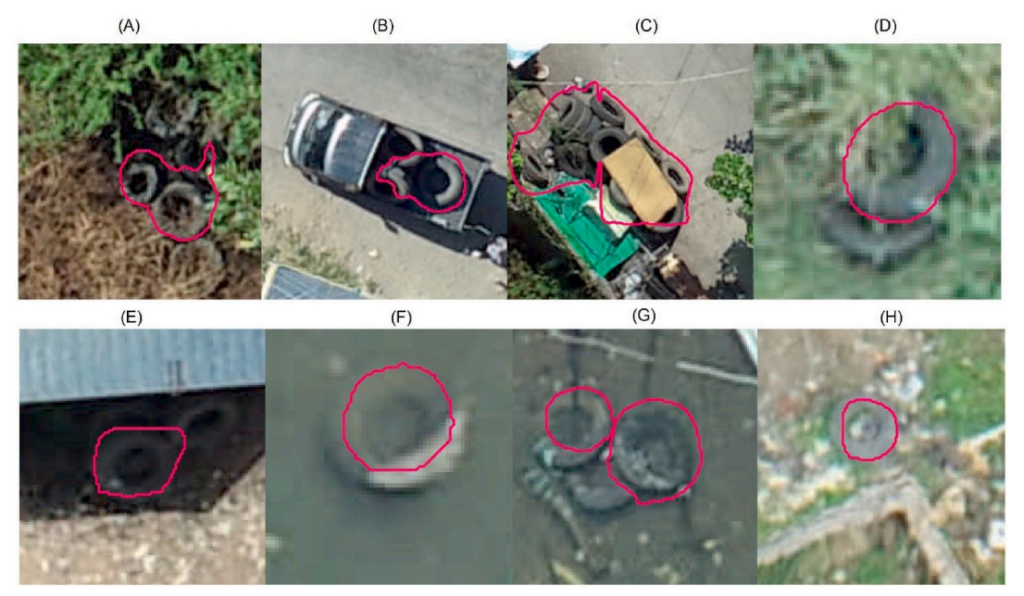
A recent scientific study explores a powerful new solution: combining drones with artificial intelligence (AI) to detect these hidden risks from the sky. Instead of relying on time-consuming ground inspections, researchers used unmanned aerial vehicles (UAVs) to capture high-resolution images of urban areas. Then, deep learning models—advanced AI systems trained to recognize patterns—analyzed the images to identify discarded tires automatically.
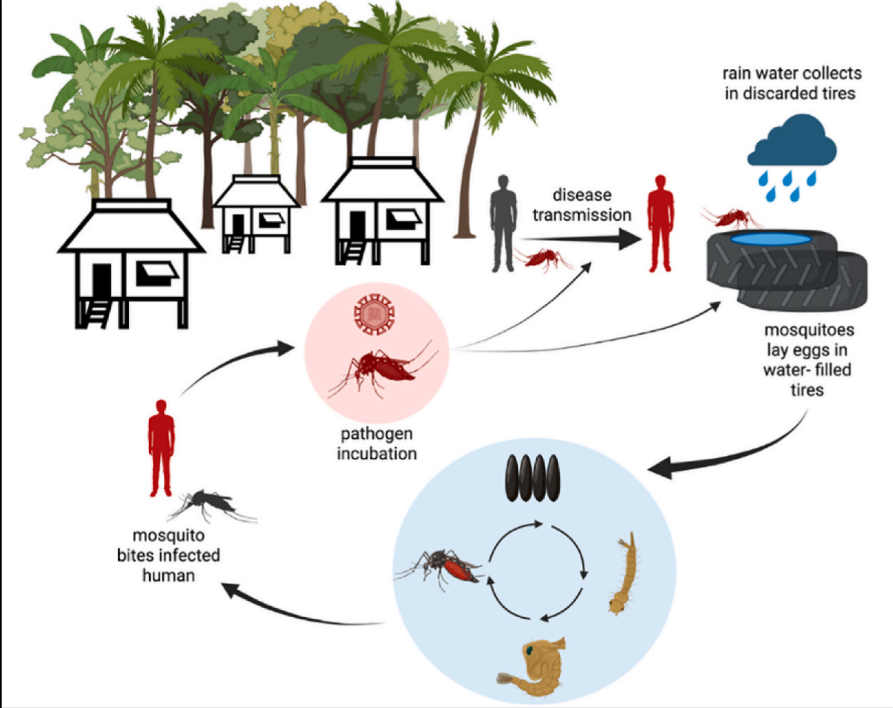
The results are promising. The AI model known as U-Net++ achieved high accuracy, successfully detecting up to 92% of tires in the study area. This is significant because identifying and removing mosquito breeding sites is one of the most effective ways to control dengue outbreaks. By using this technology, health authorities can act faster, target high-risk areas more precisely, and potentially save lives.
What makes this approach even more impactful is its ability to detect areas that humans might miss—such as tires on rooftops, behind fences, or in dense urban spaces. The study also revealed that many so-called “false positives” were actually real tires that had been overlooked during manual inspections. This shows that AI doesn’t just match human ability—it can surpass it in certain conditions.
This innovation strongly aligns with Sustainable Development Goal (SDG) 3: Good Health and Well-being, which focuses on reducing the burden of infectious diseases worldwide. By improving early detection and prevention strategies, this technology contributes directly to healthier communities, especially in regions heavily affected by vector-borne diseases.
The research behind this breakthrough is titled “Enhancing Aedes aegypti breeding site detection: A deep learning approach to tire identification in unmanned aerial vehicle imagery from urban Indonesia.” It was published in the journal Remote Sensing Applications: Society and Environment by Elsevier on April 7, 2026 . The study was conducted by an international team of researchers, including collaborators from Indonesia and Stanford University, highlighting the importance of global partnerships in tackling public health challenges.
In a world where climate change and rapid urbanization are increasing the risk of disease outbreaks, innovations like this offer hope. By turning everyday technology into life-saving tools, we move one step closer to a future where diseases like dengue can be controlled—not just treated.
The fight against mosquitoes may seem small, but with AI and drones, it could have a massive impact.


