
Strengthening International Research Collaboration Through Discussion on PCR Methods for Root Canal Bacterial Detection
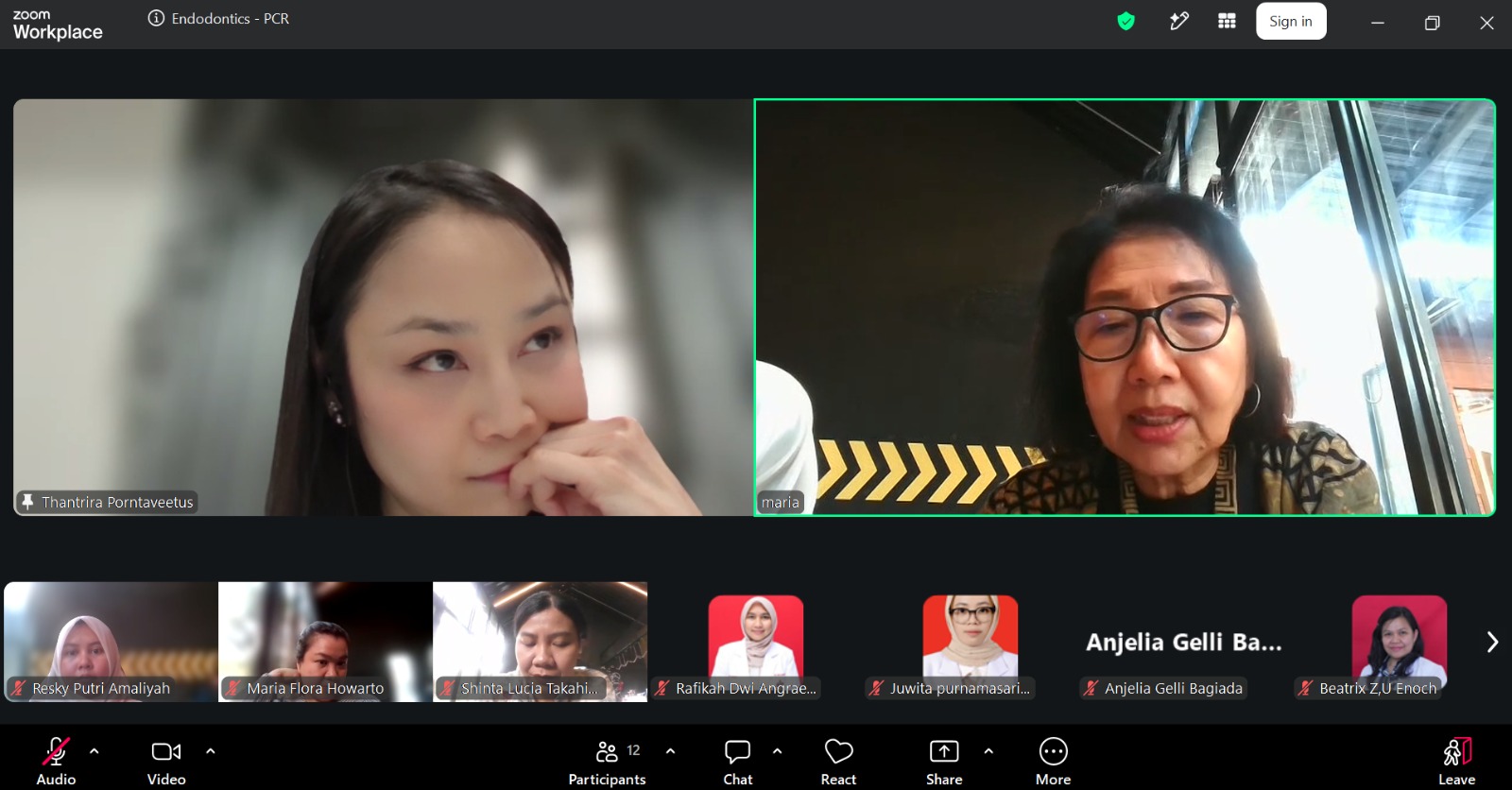
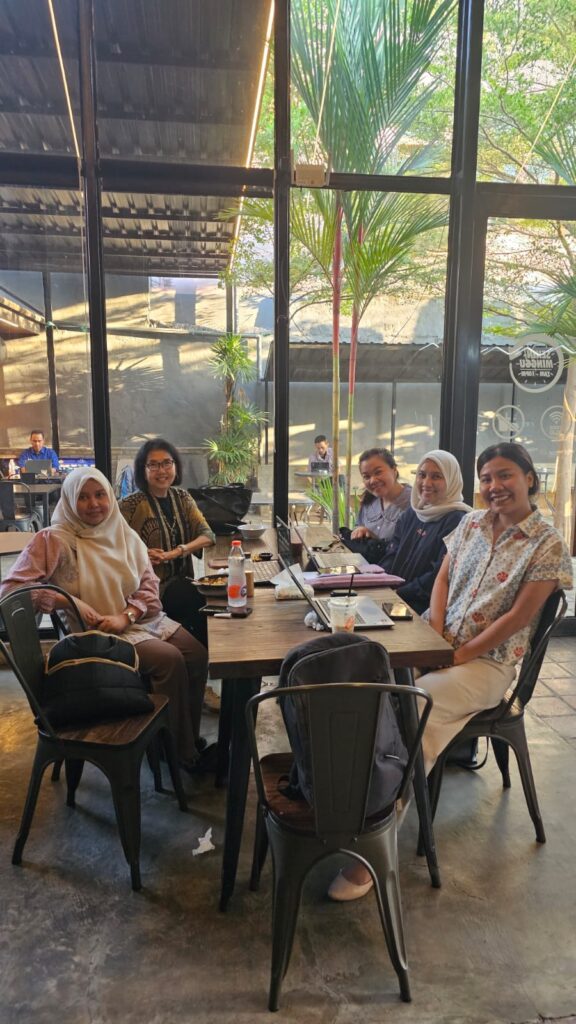
On July 21, 2026, an international scientific discussion was conducted through a Zoom meeting to strengthen academic collaboration and deepen understanding of polymerase chain reaction, or PCR, methods used to detect bacteria in infected root canals. The activity brought together 12 participants, including researchers, academics, and students with shared interests in oral microbiology, molecular diagnostics, and endodontic research.
The discussion featured Prof. Thantrira Porntaeethus from Chulalongkorn University as the international collaborator. Her participation provided an important opportunity for participants to exchange scientific perspectives on the selection, application, and interpretation of PCR-based methods in root canal microbiology. The student participants included drg. Rafiqah and drg. Maria Flora, who actively engaged in the discussion and explored how molecular techniques can support their research activities.
The primary objective of the meeting was to discuss appropriate PCR methods for detecting bacterial species found in the root canal system. Root canal infections are commonly associated with complex microbial communities that may be difficult to identify using conventional culture-based techniques. PCR offers a sensitive and specific approach because it detects bacterial genetic material, even when the microorganisms are present in small quantities or are difficult to cultivate in laboratory conditions.
During the session, participants discussed several important stages of molecular analysis, including sample collection, DNA extraction, primer selection, amplification procedures, contamination control, and the interpretation of PCR results. Particular attention was given to the importance of selecting suitable primers and maintaining strict laboratory protocols to ensure accurate and reproducible findings. The discussion also highlighted that reliable bacterial detection is essential for understanding the microbial profile of infected root canals and for developing more effective prevention and treatment strategies.
This international academic activity directly supports Sustainable Development Goal 4: Quality Education by promoting knowledge exchange, research mentoring, and the development of scientific competencies among students and researchers. Through interaction with an international expert, participants gained broader insights into current molecular research practices and strengthened their ability to design rigorous and scientifically relevant studies.
The meeting also contributes to Sustainable Development Goal 17: Partnerships for the Goals by strengthening collaboration between researchers and academic institutions across countries. International partnerships are essential for sharing expertise, improving research quality, and encouraging future collaborative studies, publications, and scientific capacity-building programs.
In addition, the activity has an indirect connection to Sustainable Development Goal 1: No Poverty. Improved oral health research can contribute to the development of more accurate and efficient diagnostic approaches, which may reduce the long-term economic burden of untreated dental infections, particularly among vulnerable communities. Better research evidence can ultimately support more accessible, preventive, and cost-effective oral healthcare.
Overall, this discussion represented an important step in advancing international collaboration and improving the quality of root canal microbiology research. It also demonstrated how digital platforms can facilitate meaningful scientific partnerships without geographical limitations, enabling continuous learning, innovation, and collaborative contributions to global health and education.
Narasi ini dapat langsung digunakan pada website institusi atau disesuaikan menjadi format berita kampus yang lebih formal.