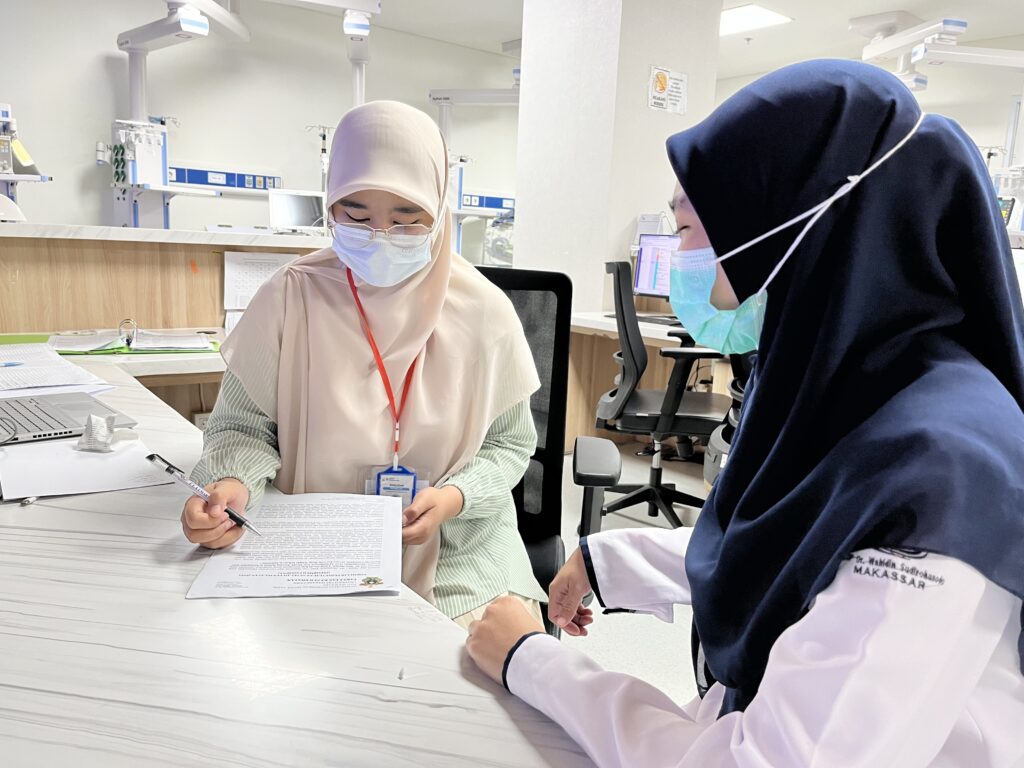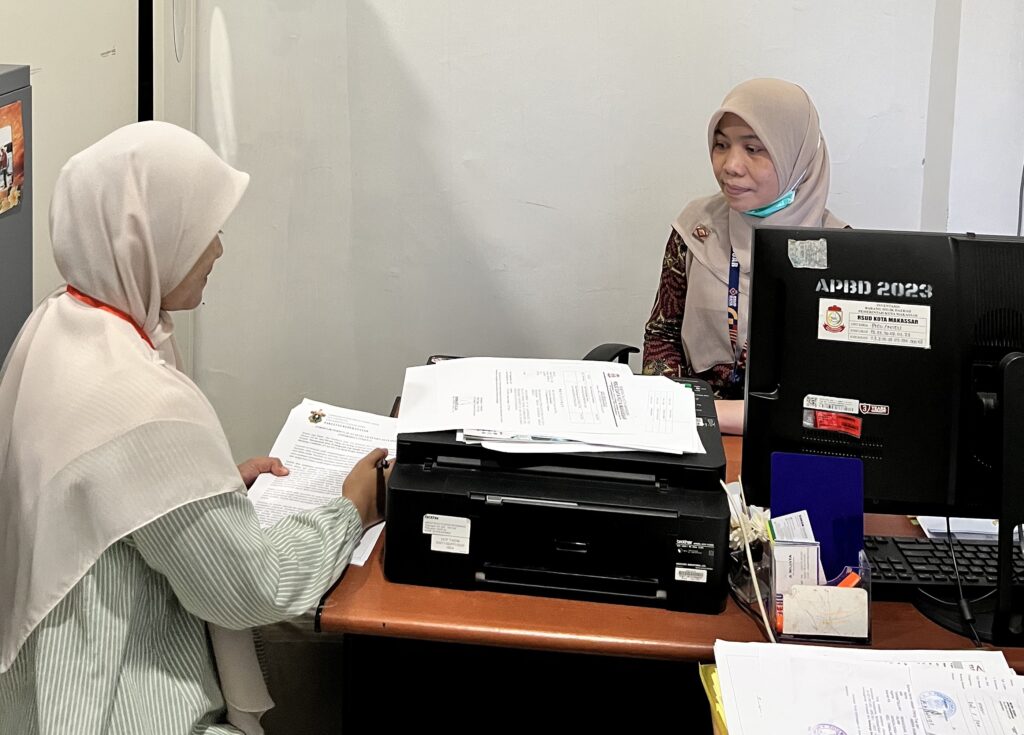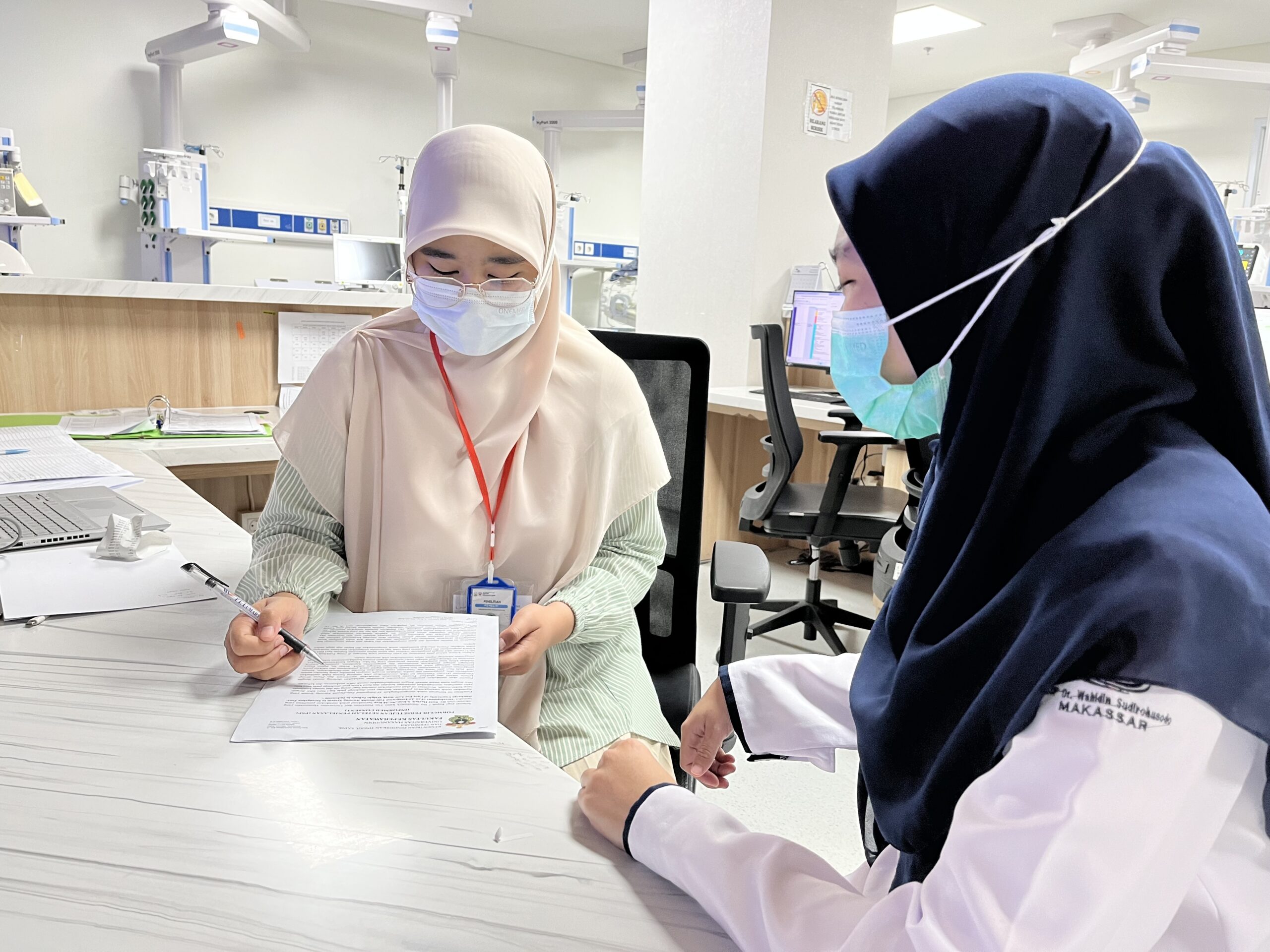

As part of the I-CORE Project (Development of an AI-Integrated Tele-Health Nursing System to Strengthen Post-Discharge Continuity of Care for Low Birth Weight Infants in Indonesia), the research team conducted a series of in-depth interviews with nurses working in neonatal intensive care units (NICUs). The activity aimed to explore nurses’ experiences in caring for low birth weight (LBW) infants and understand how continuity of care is currently implemented during and after hospitalization.
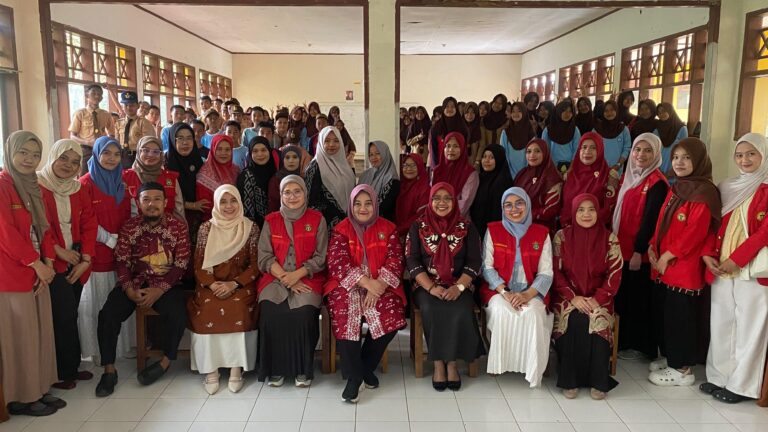
The data collection was conducted in NICU settings from March to April 2026 at the 6 hospitals, including a provincial general hospital, a teaching hospital, two maternal and child hospitals, and two regional public hospitals. The in-depth interviews involved 6 NICU head nurses and 12 NICU nurses from 6 hospitals, providing valuable perspectives on the experiences of caring for LBW infants and implementing continuity of care.providing a total of 18 nursing participants. Their experiences offered valuable perspectives on the realities of caring for vulnerable newborns and coordinating care before discharge.
The interviews explored various aspects of neonatal nursing practice, including the management of LBW infants, monitoring of infant conditions, communication among healthcare professionals, discharge preparation, parent education, and follow-up after hospitalization. Particular attention was given to how information about an infant’s condition and care needs is communicated when transitioning from the hospital to primary healthcare services and the home environment.
For LBW infants, discharge from the hospital does not necessarily mark the end of their healthcare needs. These infants may require continued monitoring of growth, feeding, development, and potential health problems. Effective continuity of care therefore depends on communication between healthcare providers, adequate preparation of parents, and access to appropriate follow-up support. Understanding the experiences of NICU nurses is important for identifying practical challenges and opportunities for improving this transition.
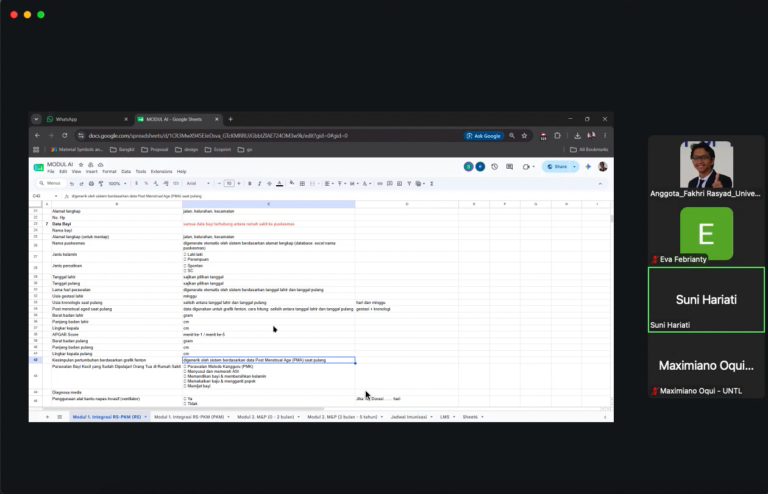
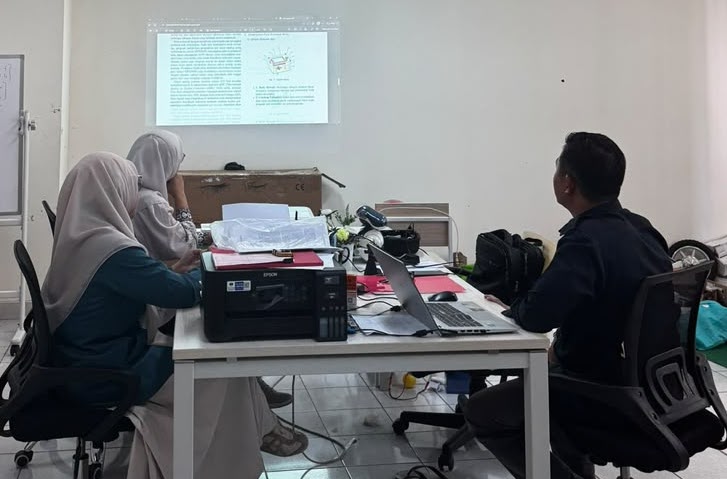
The insights obtained from the interviews will contribute to the development of the I-CORE telehealth nursing system. By incorporating the experiences and needs of frontline healthcare professionals, the research team can identify information and communication requirements that should be considered when designing digital tools for post-discharge care. The findings are expected to help ensure that the proposed system responds not only to technological considerations but also to real-world clinical practices.
The activity also highlights the importance of involving healthcare professionals in health technology development. Nurses who work directly with LBW infants understand the clinical workflow, communication challenges, and information needs that may not be apparent from a purely technical perspective. Their experiences can therefore provide an important foundation for developing a practical and user-oriented telehealth solution.
This activity contributes to SDG 3: Good Health and Well-Being by supporting efforts to strengthen continuity of care for vulnerable newborns. It also supports SDG 4: Quality Education through the generation and sharing of practice-based knowledge that can inform professional learning and nursing development. Furthermore, the involvement of multiple hospitals and healthcare professionals contributes to SDG 17: Partnerships for the Goals by strengthening collaboration and knowledge exchange across healthcare institutions.
The in-depth interviews represent an important stage in the I-CORE Project, connecting frontline nursing experiences with the development of digital innovation. The knowledge gained from NICU nurses will help inform the next stages of telehealth system development and contribute to a more coordinated approach to post-discharge care for LBW infants.