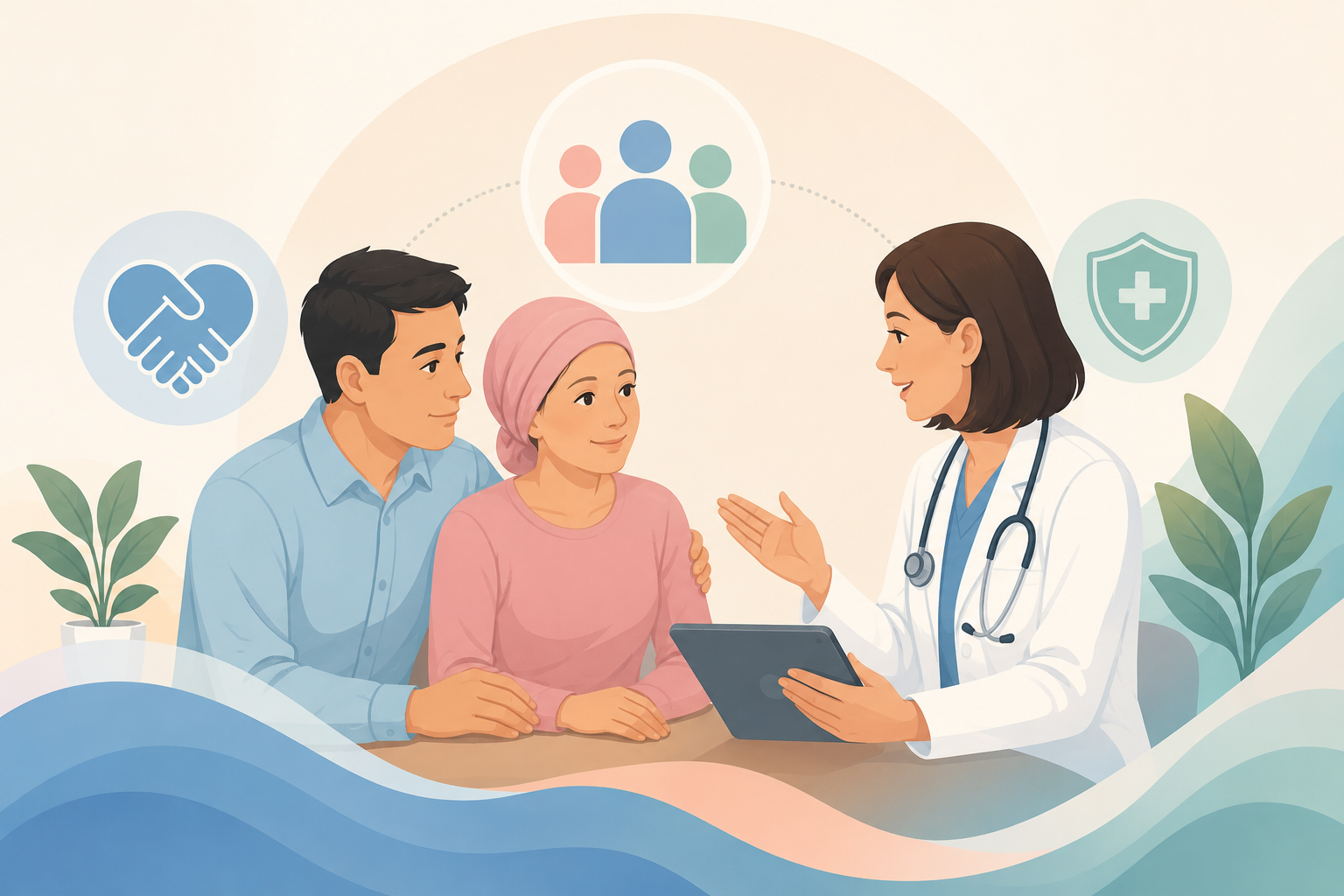

MAKASSAR, Indonesia, 1 Februari 2026/NNRG – A cancer diagnosis can change a person’s life in an instant. Beyond coping with the disease itself, patients often face difficult decisions about surgery, chemotherapy, radiation, long-term treatment, or palliative care. These choices can affect not only survival but also quality of life, emotional well-being, family relationships, and finances. For this reason, choosing cancer treatment should not always be a one-way conversation in which healthcare professionals simply tell patients what to do.
This important issue is explored in the article “Shared Decision-making for Cancer Treatment: A Scoping Review,” written by Fadiah Izzati Salim, Suni Hariati, Andi Masyitha Irwan, and Erfina. The review was published in the Journal of Client-Centered Nursing Care (JCCNC), Volume 12, Number 1, pages 1–18, on 1 February 2026. The journal is published by Iran University of Medical Sciences, with Negah Institute for Scientific Communication listed as another publishing organization. (Directory of Open Access Journals)
The study focuses on shared decision-making (SDM)—an approach in which patients, families, and healthcare professionals work together to make treatment choices. The researchers searched eight major electronic databases and Google Scholar for relevant studies published between 2015 and 2024. Ultimately, 18 studies were included: six quantitative, eleven qualitative, and one mixed-methods study.
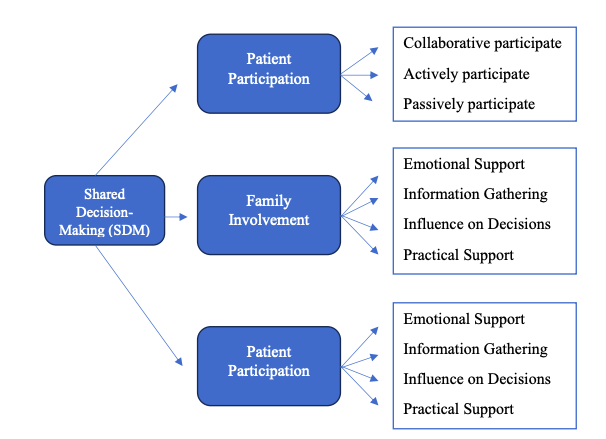
Three important elements emerged. First is patient participation. Patients differ in how much they want to participate: some actively discuss and choose treatments, while others prefer to rely more heavily on their doctors or families. Personal preferences, available information, confidence, health literacy, and cultural background can influence these choices.
Second is family involvement. Families do much more than accompany patients to appointments. They can provide emotional encouragement, gather information, influence decisions, and offer practical support during treatment. However, healthcare teams must also recognize that disagreements may occur when family preferences differ from what the patient wants.
Third is the role of healthcare professionals. Doctors, nurses, and other professionals are not only clinical experts; they are also information providers, decision facilitators, and sources of emotional support. Clear communication helps patients understand their diagnosis, treatment choices, possible outcomes, and consequences, allowing decisions to better reflect what matters to them.
This approach strongly supports Sustainable Development Goal 3 (SDG 3): Good Health and Well-being. Quality healthcare is not only about providing effective treatment; it is also about ensuring that people can understand their options and participate meaningfully in decisions affecting their health.
Cancer treatment can be complex, but patients should not have to navigate those choices alone. When patients, families, and healthcare professionals listen to one another, treatment decisions can become more informed, more personal, and truly patient-centered.
Reference:
DOI: https://doi.org/10.1038/s41598-025-15342-9
Contact:
Suni Hariati
+6281387192990
sunihariati@unhas.ac.id