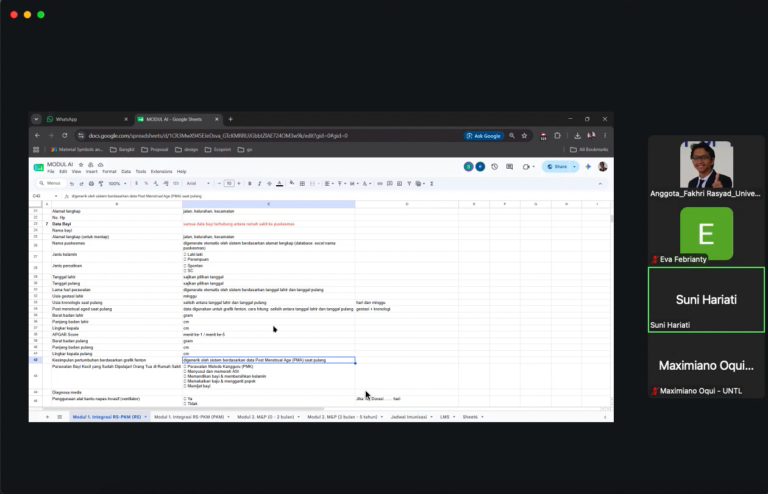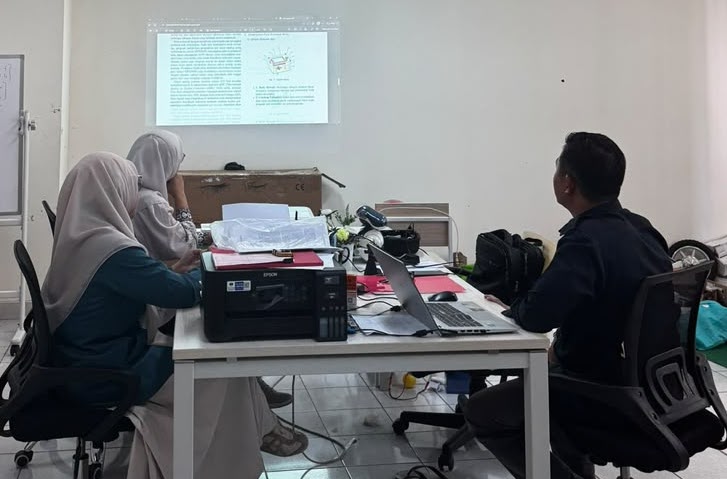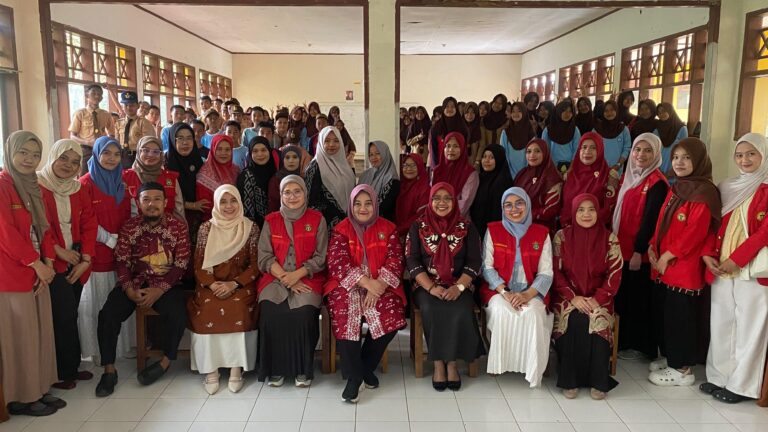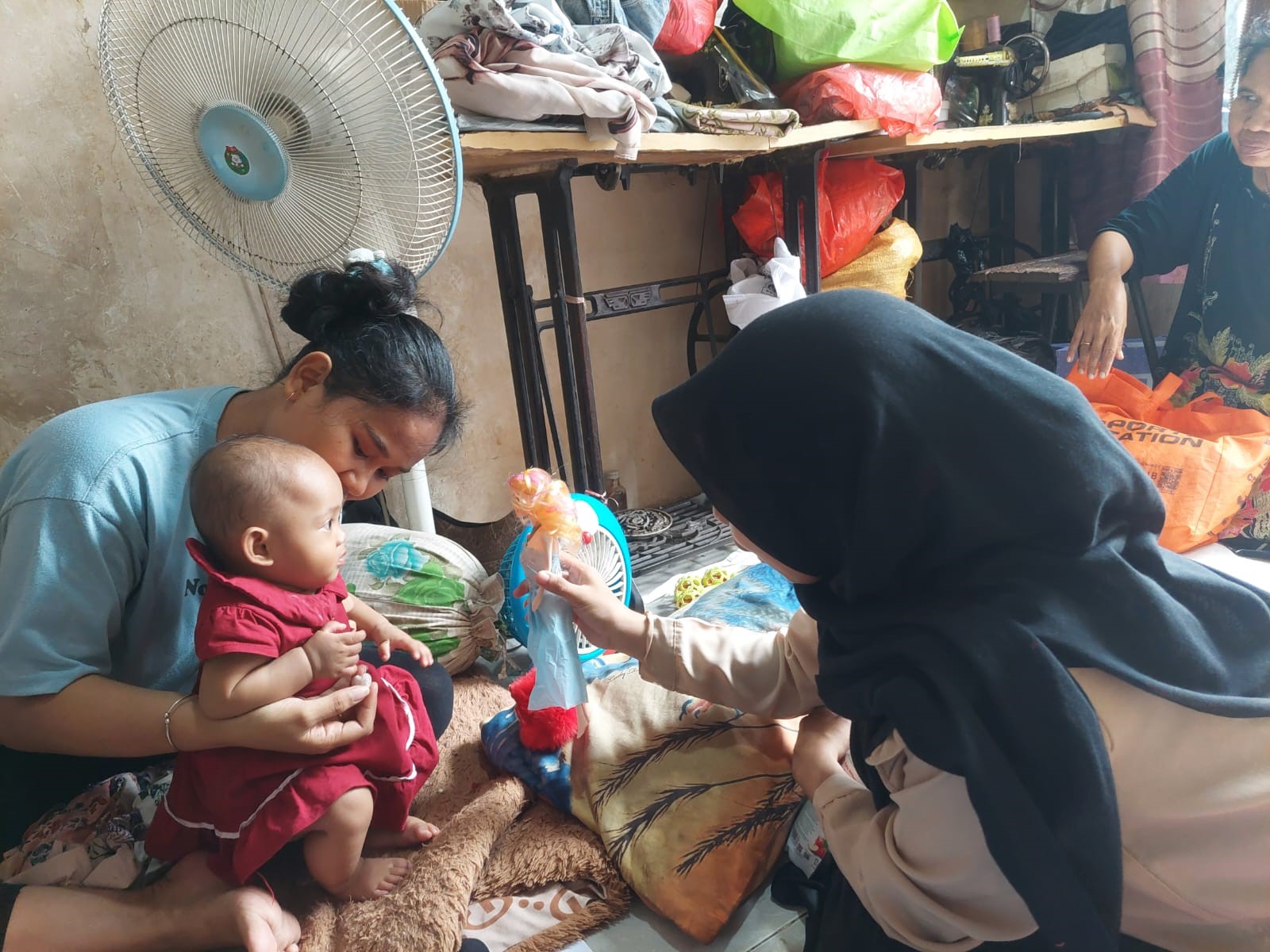

A quantitative survey on catch-up growth and development among infants aged 0–1 year with a history of low birth weight (LBW) was conducted in Makassar City, South Sulawesi, Indonesia, as part of efforts to strengthen the monitoring and continuity of care for vulnerable infants after hospital discharge. The activity involved 80 participants, consisting of infants aged 0–1 year with a history of LBW and their parents. The survey was conducted on Januari to March 2025.
Low birth weight remains an important maternal and child health concern because infants born with a birth weight below 2,500 grams may require closer monitoring of their growth and development. The period after hospital discharge is particularly important because infants continue to need appropriate nutrition, regular health monitoring, and developmental stimulation within their families and communities. Early and continuous monitoring can help families and healthcare providers recognize potential concerns and provide appropriate support.
The objective of the survey was to assess catch-up growth and development among infants aged 0–1 year with a history of LBW. The survey also aimed to explore the utilization of maternal and child healthcare services after hospital discharge, the use of the Buku KIA Bayi Kecil and Buku KIA, and infant feeding patterns. These components provide important information about how infants and their families continue to receive care following discharge from healthcare facilities.
Through a quantitative cross-sectional approach, information was collected from participating families to provide an overview of the infants’ growth and developmental conditions as well as the healthcare and caregiving practices surrounding them. Particular attention was given to the use of maternal and child healthcare services after discharge, as continued contact with healthcare providers can support regular monitoring and provide opportunities for families to receive guidance regarding infant care.
The survey also highlighted the role of the Buku KIA Bayi Kecil and Buku KIA as resources that can support families in monitoring and understanding the health and development of their children. In addition, information regarding infant feeding patterns is important for understanding the care received by infants with a history of LBW during this critical period of growth.
The activity contributes explicitly to the Sustainable Development Goals (SDGs). It supports SDG 1: No Poverty by promoting early health monitoring that may help reduce the potential long-term social and economic burden associated with health problems in childhood. It directly advances SDG 3: Good Health and Well-Being through efforts to strengthen follow-up care, growth monitoring, developmental assessment, and appropriate infant feeding. It also contributes to SDG 4: Quality Education by supporting parents’ access to health information and practical knowledge related to infant care and development. Furthermore, it supports SDG 17: Partnerships for the Goals by emphasizing the importance of collaboration among families, healthcare providers, researchers, and relevant stakeholders in ensuring continuity of care for infants with a history of LBW.
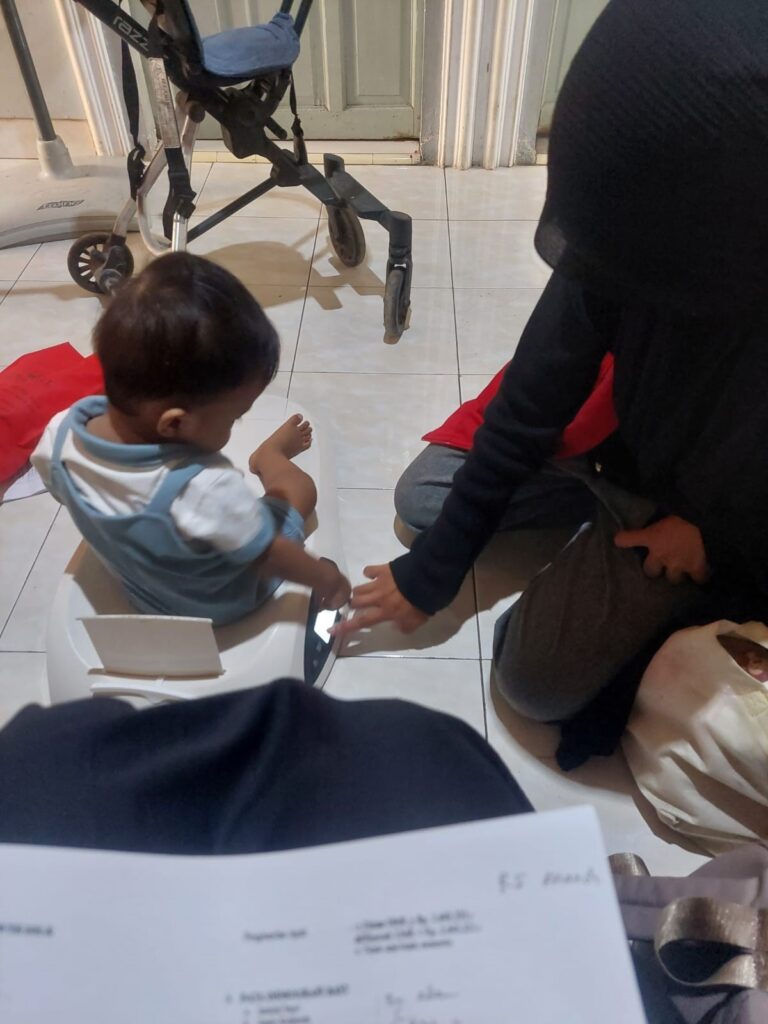
Through this survey, information from 80 participants provides an important foundation for understanding catch-up growth and development among infants with a history of LBW in Makassar City. The findings can contribute to the development of more responsive follow-up strategies and strengthen family-centered care, ensuring that vulnerable infants receive continuous attention and support during their early years of life.