


Description
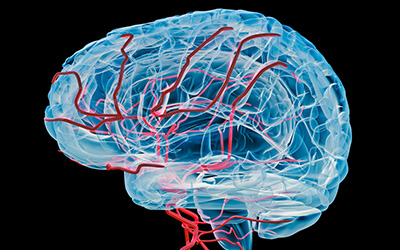
Vascular dementia (VaD) is one of the most common forms of dementia, arising from cerebrovascular dysfunction and impaired blood flow to the brain, leading to cognitive decline. Despite its prevalence, the underlying molecular and genetic mechanisms remain poorly understood, particularly in diverse populations.
This research project aims to explore the role of key genetic factors—APOE4, NOTCH3, MAPT, and MTHFR—in the pathogenesis of vascular dementia. These genes are known to be involved in lipid metabolism, vascular integrity, tau pathology, and homocysteine regulation, all of which play crucial roles in neurovascular health and dementia progression.
Through multidisciplinary approaches combining clinical assessments, genetic analysis, and molecular studies, this project seeks to:
- Identify genetic risk factors contributing to VaD in the Indonesian population.
- Understand the molecular mechanisms by which APOE4, NOTCH3, MAPT, and MTHFR influence cerebrovascular dysfunction and neurodegeneration.
- Establish potential biomarkers for early diagnosis and risk stratification.
- Investigate therapeutic targets for precision medicine in vascular dementia.
By expanding the Makassar Parkinson’s Registry to include vascular dementia, this project will provide valuable insights into the genetic and environmental interactions driving neurodegeneration. Our findings could contribute to personalized treatment strategies and improved clinical management for individuals at risk of vascular dementia.

Description
Parkinson’s Disease and other neurodegenerative conditions are multifaceted disorders resulting from complex interactions between genetic and environmental factors. While there is strong evidence supporting genetic predisposition in these conditions, there remains a significant gap in genetic data and characterization, particularly in the Indonesian population. This project aims to provide deeper insights into the genetic factors influencing the predisposition and progression of Parkinson’s Disease and other neurodegenerative disorders through whole genome sequencing platforms.
In collaboration with Niigata University, this study will leverage advanced genomic technologies and bioinformatics approaches to analyze genetic variations associated with these conditions. By integrating expertise from both institutions, we aim to identify novel genetic markers, assess population-specific risk factors, and contribute to the global understanding of neurodegenerative disease mechanisms. This partnership will not only enhance scientific knowledge but also pave the way for potential precision medicine approaches tailored to the Indonesian population, ultimately improving early diagnosis, risk assessment, and targeted interventions for individuals affected by these debilitating diseases.

Description
Our research project is a collaborative effort between the Departments of Ophthalmology and Neurology, aiming to explore the potential of Ocular Computed Tomography (OCT) as a novel tool for understanding and diagnosing Parkinson’s Disease (PD) and other neurodegenerative conditions.
Parkinson’s Disease is a complex disorder influenced by both genetic and environmental factors, yet early diagnosis remains a major challenge. Emerging evidence suggests that neurodegenerative changes extend beyond the central nervous system, affecting ocular structures in a measurable way. Through this study, we investigate retinal and optic nerve changes using advanced OCT imaging, with the goal of identifying biomarkers that reflect disease progression and could aid in early diagnosis and targeted treatment strategies.
By combining high-resolution imaging, clinical neurology, and genetic analysis, this project seeks to provide pathophysiological insights into the disease while offering a non-invasive, accessible method for monitoring neurodegeneration. Our work contributes to the growing body of research on ocular biomarkers in neurodegenerative diseases, with the potential to improve patient outcomes through earlier detection and personalized management.
This research is part of a broader effort to integrate multidisciplinary approaches in the fight against neurodegenerative disorders, with the hope of bridging the gap between ophthalmology and neurology for better diagnostics and therapeutic advancements.

Description
The Makassar Parkinson’s Registry is the first clinical registry for Parkinson’s Disease in Indonesia, designed to integrate multidisciplinary clinical, molecular, and genetic data to advance research and improve patient care. Established in 2023, this project aims to bridge the gap in Parkinson’s Disease (PD) research by creating a comprehensive database that captures vital information on disease presentation, progression, and genetic factors within the Indonesian population.
By combining neurological assessments, genetic sequencing, and biomarker analysis, the registry provides a valuable resource for clinicians and researchers to identify population-specific risk factors, track disease progression, and explore potential therapeutic targets. This initiative not only supports early diagnosis and precision medicine but also strengthens national and international collaborations to enhance our understanding of PD and other neurodegenerative disorders.
The Makassar Parkinson’s Registry is a significant step toward improving clinical management, research, and healthcare policies for neurodegenerative diseases in Indonesia, ultimately paving the way for better patient outcomes.