


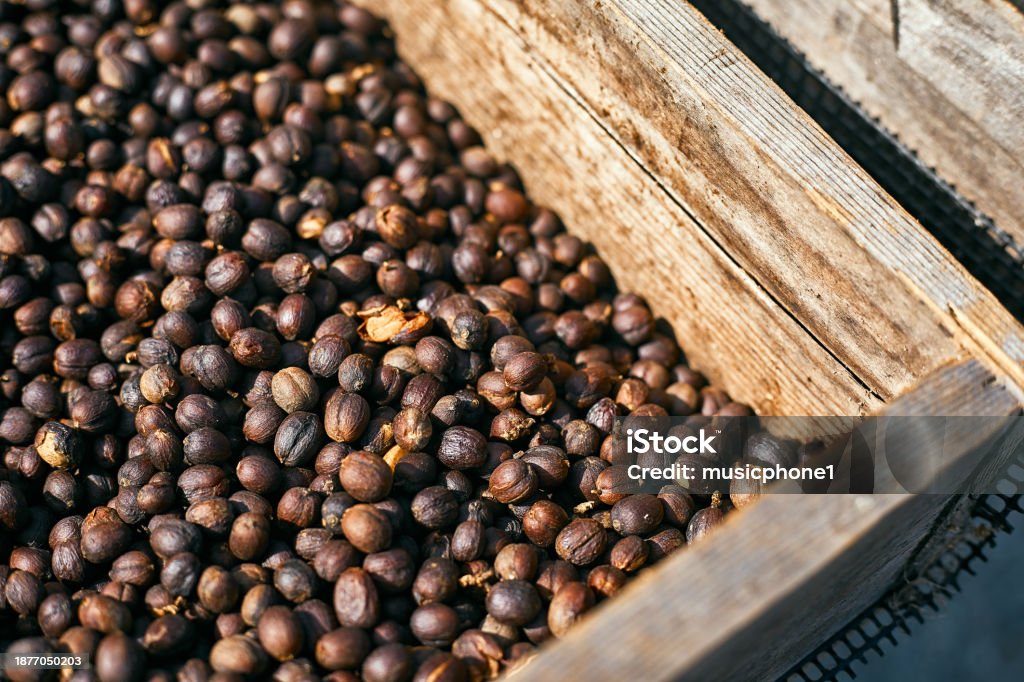
Engineering innovation in coffee bean grading machines using semi-wash and full-wash methods focuses on enhancing efficiency, precision, and product quality. Traditional grading relies heavily on manual sorting, which is time-consuming and inconsistent. By integrating mechanical sieving, optical sensors, and automated separation systems, grading machines can classify beans based on size, density, and surface defects more accurately. The semi-wash and full-wash processes influence bean moisture, density, and surface cleanliness, which directly affect grading performance. Innovative machine designs must account for these differences, ensuring uniform quality standards. Such advancements support higher productivity, consistent grading, and improved market value for processed coffee beans.

Example: The utilization of heat pipes as passive heat exchangers in data center simulations demonstrates a promising approach to improving thermal management efficiency. Heat pipes operate on phase-change principles, enabling rapid heat transfer from high-load components to cooling surfaces without requiring active pumping. In simulation studies, integrating heat pipes into server racks reduces hotspot formation, stabilizes temperature distribution, and lowers energy consumption compared to conventional air cooling. Key parameters include working fluid selection, pipe orientation, and thermal conductivity. This passive system enhances reliability, reduces operational costs, and supports sustainable data center design by minimizing dependency on high-energy cooling infrastructure.
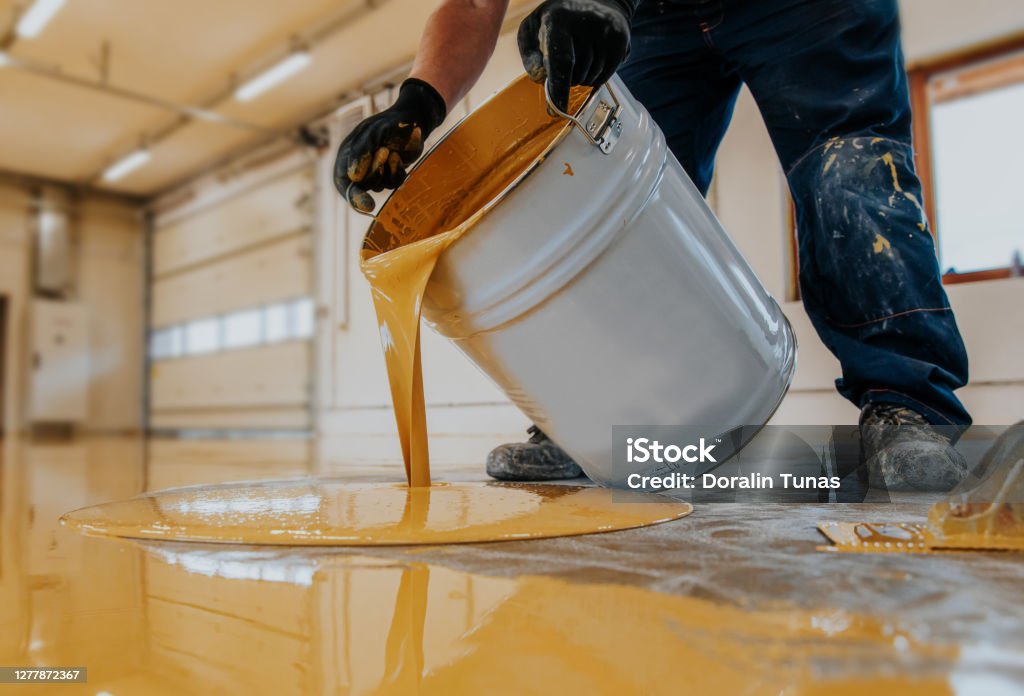
Example: The analysis of damage behavior in the machining process of woven hemp composite material reinforced with epoxy resin is essential for its application in marine structures. During machining, phenomena such as fiber pull-out, delamination, matrix cracking, and thermal degradation often occur due to the anisotropic nature of the composite. Cutting parameters, tool geometry, and feed rate significantly influence the extent of damage. Understanding these mechanisms helps optimize machining strategies, minimizing defects while maintaining dimensional accuracy and surface quality. Such analysis ensures the reliability and durability of hemp/epoxy composites, making them a sustainable alternative for marine material applications in shipbuilding and related industries.
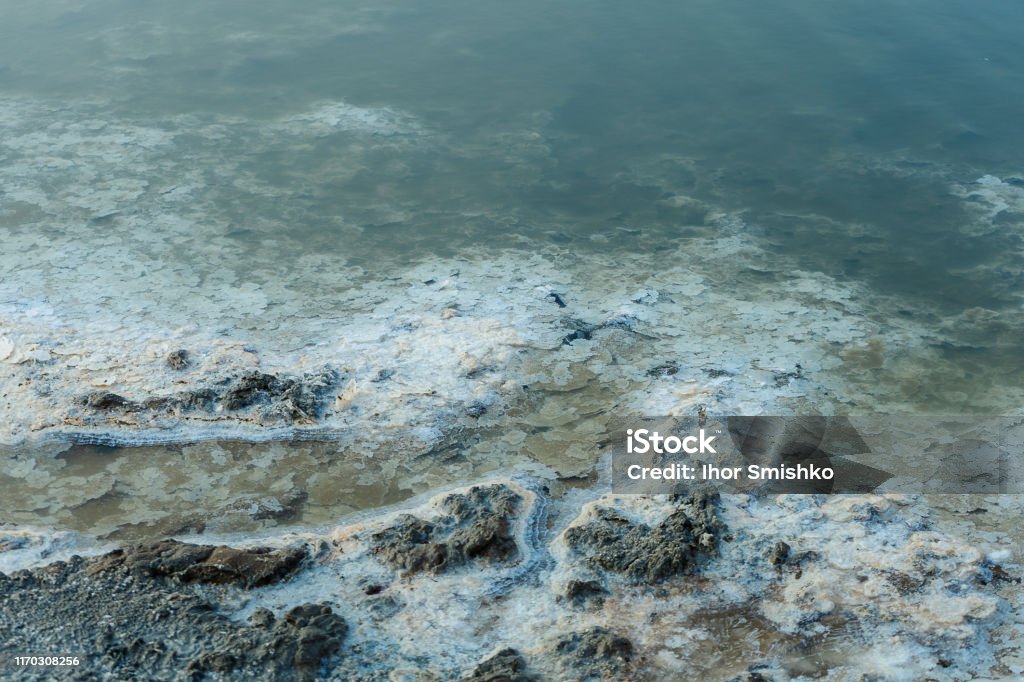
The effect of seawater salinity on the mechanical properties of flax fiber composites is a critical issue in evaluating their potential for marine applications. At the laboratory scale, immersion tests with varying salinity levels reveal how moisture absorption, ion diffusion, and matrix degradation influence composite performance. Increased salinity often accelerates fiber–matrix debonding, reduces tensile strength, and lowers impact resistance due to swelling and microcrack formation. However, controlled resin selection and surface treatments can mitigate these effects. Understanding these mechanisms provides valuable insights for designing durable, eco-friendly flax fiber composites capable of withstanding harsh marine environments while maintaining structural integrity.

The engineering and optimization of composite materials reinforced with ramie fiber (Boehmeria nivea) offer significant potential for ship body components. Ramie fiber exhibits high tensile strength, good elastic modulus, and resistance to chemical degradation, making it a strong candidate as a composite reinforcement. Key engineering factors include matrix selection (epoxy, polyester, or bio-resins), fiber orientation, volume fraction, and manufacturing techniques such as hand lay-up, vacuum infusion, or compression molding. Optimization focuses on enhancing fiber–matrix interfacial bonding through chemical or alkali treatments. The outcome is a lightweight, durable, and eco-friendly material that can serve as a sustainable alternative to fiberglass in maritime applications.