


Promoting healthy dietary habits from an early age is a crucial step in preventing non-communicable diseases and improving long-term public health outcomes. In line with this objective, an educational initiative titled “Sugar Detectives” (Detektif Siaga Gula) was conducted at SD Negeri Bung Makassar. This program aimed to enhance nutrition literacy, develop students’ ability to interpret food labels, and encourage healthier snacking behaviors by empowering students as active agents of change. The activity was held on 7 October 2025 and involved 30 participants, primarily elementary school students.
The program was designed using an interactive and participatory approach to ensure that complex nutritional concepts could be easily understood by young learners. At its core, the initiative addressed the growing concern over excessive sugar consumption among children, which is associated with an increased risk of obesity, diabetes, and other metabolic disorders. By introducing students to the concept of “hidden sugars” in packaged foods, the program encouraged critical thinking and informed decision-making in everyday food choices.
The first component of the activity focused on nutrition education. Students were introduced to basic concepts such as balanced diets, daily sugar intake recommendations, and the health risks associated with excessive sugar consumption. The material was delivered in a simple, engaging, and scientifically grounded manner, making it accessible and relevant to their daily experiences. This educational effort directly supports SDGs 4 (Quality Education) by fostering essential life skills and promoting health literacy among children.
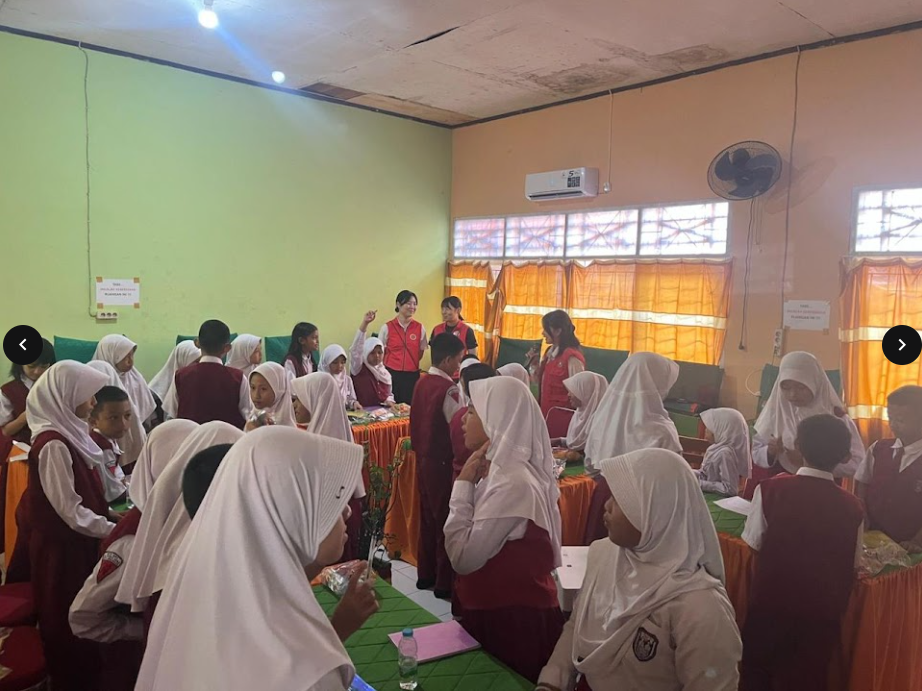
A key highlight of the program was the practical session on reading and understanding nutrition labels. Students were guided on how to identify sugar content, serving sizes, and ingredient lists on packaged snacks. Through hands-on activities and group discussions, participants practiced comparing different products and identifying healthier alternatives. This skill-building process not only improved their knowledge but also strengthened their confidence in making healthier food choices independently.
In addition, students were encouraged to take on the role of “health ambassadors” within their school and home environments. By sharing their knowledge with peers and family members, they contribute to broader community awareness and behavior change. This empowerment approach aligns with SDGs 17 (Partnerships for the Goals), as it promotes collaboration between schools, families, and communities in advancing public health initiatives.
From a broader perspective, this program also contributes to SDGs 1 (No Poverty) by addressing the economic burden associated with poor dietary habits and preventable diseases. By equipping children with the knowledge to make healthier and cost-effective food choices, the initiative supports long-term well-being and reduces potential healthcare costs.
Furthermore, the program supports SDGs 3 (Good Health and Well-being) by promoting preventive health behaviors and encouraging a culture of healthy living from an early age. Establishing these habits during childhood increases the likelihood of sustained healthy lifestyles into adulthood.
In conclusion, the “Sugar Detectives” initiative at SD Negeri Bung Makassar demonstrates the effectiveness of school-based interventions in improving nutrition literacy and fostering healthy behaviors. By combining education, practical skills, and empowerment, the program contributes to building a healthier, more informed, and proactive younger generation.


