


In an effort to strengthen community health services for the elderly, a comprehensive physiotherapy program was implemented at Puskesmas Lisu, Desa Kading, Kabupaten Barru. This initiative focused on integrating women’s health, neuropsychiatric care, and cardiovascular management into a unified, community-based approach. Conducted on Monday, 2 June 2025 and 2 July 2025, the program engaged 57 elderly participants from the Prolanis (Chronic Disease Management Program) community, reflecting a strong commitment to improving elderly health outcomes at the primary care level.
The program was designed to enhance participants’ understanding of their health conditions, facilitate early detection of functional impairments, and provide appropriate physiotherapy interventions tailored to their needs. Aging is often associated with complex, overlapping health issues, including cardiovascular disease, neurological decline, and gender-specific health concerns. Therefore, a multidimensional approach is essential to address these challenges effectively.
The initial phase of the activity emphasized health education, where participants received information on maintaining physical and mental well-being. Topics included cardiovascular health management, prevention of neuropsychiatric decline such as stress and cognitive impairment, and women’s health issues commonly experienced in older age. The educational sessions were delivered in an accessible, evidence-based manner, enabling participants to better understand their conditions and actively participate in their own care. This component directly supports SDGs 4 (Quality Education) by promoting lifelong learning and health literacy among the elderly.
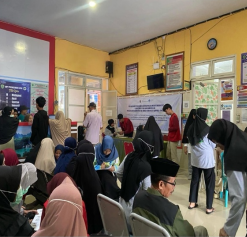
Following the educational sessions, functional assessments were conducted to evaluate participants’ physical capabilities, including mobility, balance, muscle strength, and cardiovascular endurance. These screenings allowed healthcare providers to identify early signs of decline and tailor interventions accordingly. Early detection plays a critical role in reducing the long-term burden of disease and healthcare costs, aligning with SDGs 1 (No Poverty) by mitigating financial risks associated with chronic illness.
The core of the program involved structured physiotherapy interventions delivered in a group setting. These included therapeutic exercises targeting cardiovascular fitness, balance training to prevent falls, and movement therapy addressing neurological and musculoskeletal conditions. Special attention was also given to exercises supporting women’s health, such as pelvic stability and functional mobility. The group-based format not only enhanced motivation but also fostered social interaction and peer support among participants.
Importantly, this initiative exemplifies the value of collaborative partnerships in healthcare delivery. The successful implementation of the program was made possible through coordination between physiotherapists, primary healthcare staff, and the Prolanis community. This reflects the principles of SDGs 17 (Partnerships for the Goals), highlighting the importance of multi-stakeholder engagement in achieving sustainable health outcomes.
Additionally, the program contributes to SDGs 3 (Good Health and Well-being) by promoting preventive care, improving functional independence, and enhancing quality of life among older adults. By addressing physical, mental, and social dimensions of health, the initiative supports a holistic model of elderly care.
In conclusion, the community-based physiotherapy program at Puskesmas Lisu demonstrates that integrated, accessible, and participatory health interventions can significantly improve the well-being of elderly populations. Through education, screening, and targeted therapy, this initiative serves as a model for sustainable and inclusive healthcare development in community settings.


