
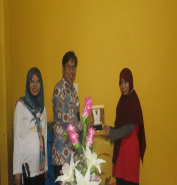

As the global population ages, the need for preventive healthcare strategies targeting the elderly becomes increasingly important. Addressing this challenge, a community-based initiative was conducted at Tamalanrea Primary Health Center (Puskesmas Tamalanrea) to reduce the risk of falls and musculoskeletal disorders among older adults. This program emphasized a comprehensive approach integrating ergonomic education and postural screening to improve awareness and functional health outcomes. The activity was held on 15 December 2023 and involved 30 elderly participants, reflecting a strong community engagement in preventive health efforts.
The program was designed to enhance participants’ understanding of the importance of maintaining proper posture and engaging in safe, effective physical activity. Aging is often accompanied by a decline in musculoskeletal function, including reduced flexibility, muscle strength, and balance. These changes significantly increase the risk of falls, which remain one of the leading causes of injury and reduced independence among the elderly. Therefore, preventive interventions such as ergonomic exercise and postural assessment are essential components of healthy aging.
The initial phase of the program consisted of an educational session focusing on ergonomic principles in daily activities. Participants were introduced to proper body mechanics during common movements such as sitting, standing, lifting, and walking. The information was delivered using simple, accessible language while maintaining a scientific foundation, ensuring that participants could easily apply the knowledge in their daily lives. This educational effort aligns with SDGs 4 (Quality Education) by promoting inclusive and lifelong learning opportunities for all age groups.
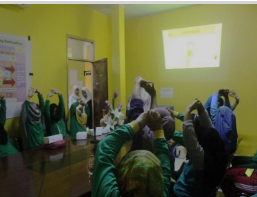
Following the educational component, participants underwent postural screening conducted by trained healthcare professionals. The screening aimed to identify deviations in posture that could contribute to musculoskeletal discomfort or increase fall risk. By recognizing these issues early, participants were better equipped to make necessary adjustments and seek further care if needed. This preventive approach contributes to reducing healthcare burdens, particularly among vulnerable populations, supporting the objectives of SDGs 1 (No Poverty) by minimizing the economic impact of preventable health conditions.
The program also included guided ergonomic exercises specifically tailored for the elderly. These exercises focused on improving flexibility, strengthening postural muscles, and enhancing balance. Participants actively engaged in the sessions, demonstrating enthusiasm and a willingness to adopt healthier movement patterns. Regular practice of such exercises can significantly reduce the incidence of falls and musculoskeletal complaints, contributing to improved quality of life and independence. This directly supports SDGs 3 (Good Health and Well-being) by promoting physical health and functional capacity among older adults.
Collaboration between healthcare providers, community leaders, and the participants themselves was a key factor in the program’s success. This collective effort exemplifies the principles of SDGs 17 (Partnerships for the Goals), highlighting the importance of multi-sectoral cooperation in addressing public health challenges.
In conclusion, this initiative at Puskesmas Tamalanrea demonstrates that preventive, education-based interventions can play a vital role in improving elderly health outcomes. By fostering awareness, early detection, and active participation, the program contributes to building a healthier, more resilient aging population.


