


In response to the growing need for comprehensive elderly care, a community-based physiotherapy program was conducted at Yayasan Amal Bakti Abdie Huffadz, Makassar. This initiative aimed to enhance the quality of life of older adults through an integrated approach combining education, functional screening, and targeted physiotherapy interventions. The program aligns with global development priorities, particularly SDGs 1 (No Poverty), SDGs 4 (Quality Education), and SDGs 17 (Partnerships for the Goals), while also supporting broader health and well-being objectives.
The activity took place in October 2025 and involved 21 participants, all of whom were elderly individuals residing in or affiliated with the foundation. The program was designed to address common age-related issues such as decreased muscle strength, impaired balance, and increased risk of falls—factors that significantly impact independence and overall well-being.
The intervention began with an educational session that introduced participants to the importance of maintaining physical activity in later life. Delivered in a simple yet scientifically grounded manner, the session emphasized how regular exercise contributes to muscle strength, joint mobility, and fall prevention. This educational component directly supports SDGs 4 (Quality Education) by promoting lifelong learning and empowering individuals with practical health knowledge.
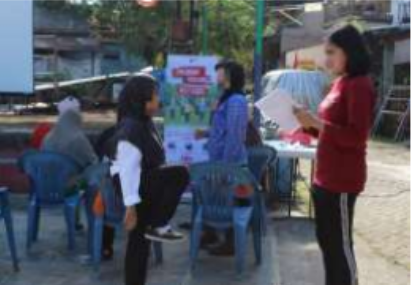
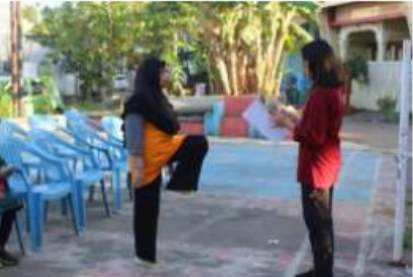
Following the educational session, participants underwent functional screening focused on lower limb muscle strength. This assessment aimed to identify individuals at higher risk of mobility limitations and falls. The screening results provided a baseline for tailoring subsequent physiotherapy interventions and highlighted the importance of early detection and preventive care, especially in underserved communities—an effort that resonates with SDGs 1 (No Poverty) by reducing the burden of healthcare costs through prevention.
The core of the program consisted of physiotherapy exercises, including elderly gymnastics and the Otago Exercise Program. The Otago Exercise is an evidence-based intervention specifically designed to improve balance and strength among older adults. Participants were guided through structured movements that targeted key muscle groups in the lower extremities while also enhancing coordination and stability. The exercises were conducted in a supportive and engaging group setting, encouraging social interaction and adherence.
Collaboration played a crucial role in the success of this initiative. The partnership between healthcare professionals, community organizers, and the foundation exemplifies the spirit of SDGs 17 (Partnerships for the Goals). By working together, stakeholders were able to deliver a program that was not only scientifically sound but also culturally appropriate and accessible.
Overall, this physiotherapy outreach program demonstrated that a well-structured, community-based approach can effectively address the health needs of the elderly. By integrating education, screening, and intervention, the initiative contributed to improved physical function, increased awareness, and stronger community engagement. Such programs are essential steps toward building healthier, more inclusive societies where no one is left behind.


