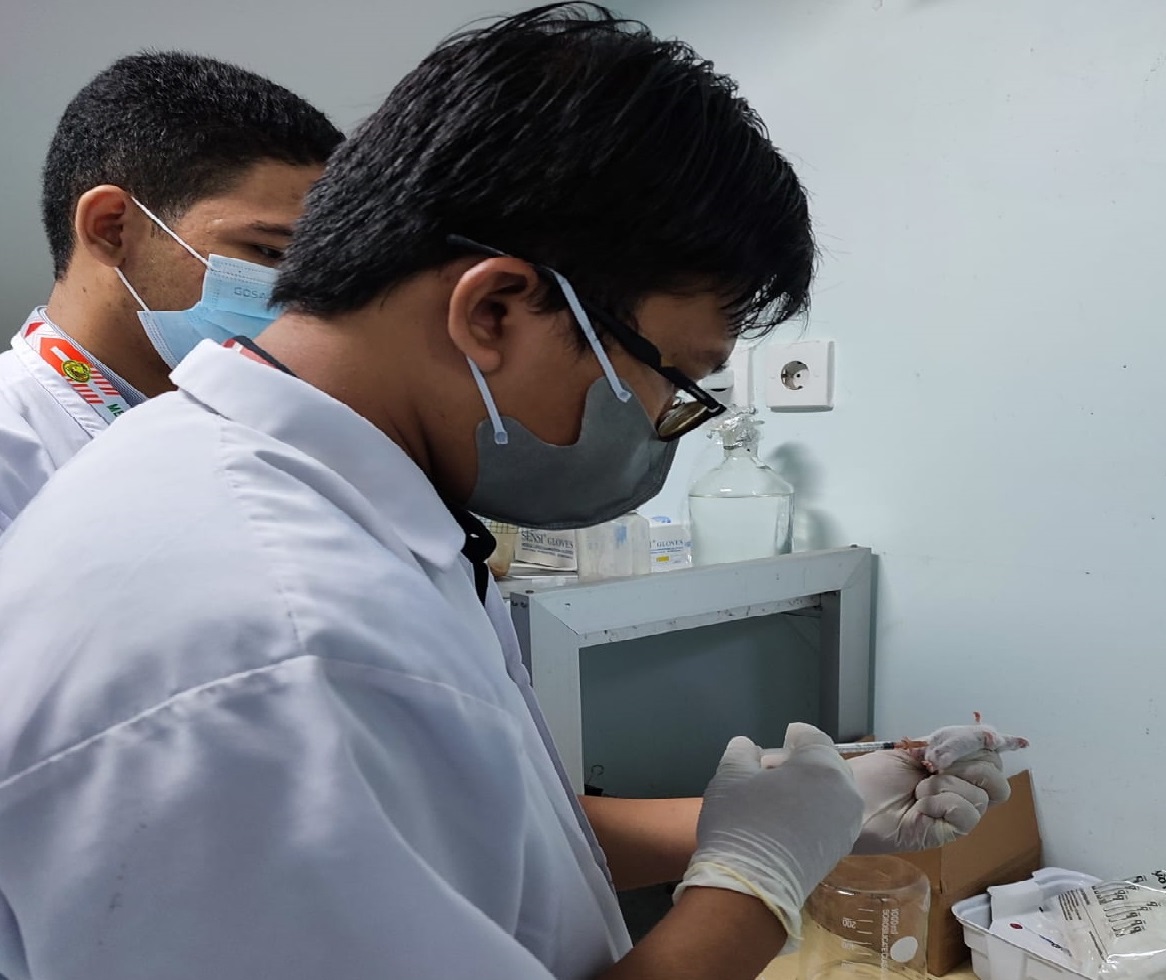
Mice have become an essential in vivo model in malaria drug development research due to their immune system similarity to humans and their ability to facilitate studies on Plasmodium spp. interactions with the host. Plasmodium berghei, P. yoelii, and P. chabaudi are commonly used in preclinical trials to evaluate the efficacy and toxicity of antimalarial drugs. This model enables analyses of parasitology, immunology, and pharmacokinetics, which are crucial before human trials. Additionally, transgenic mice expressing human-specific receptors have been developed to enhance the relevance of research findings. However, major challenges include physiological differences between mice and humans, which may affect translational outcomes. Therefore, combining mouse studies with in vitro and in silico approaches is essential to improve the accuracy of drug efficacy predictions.