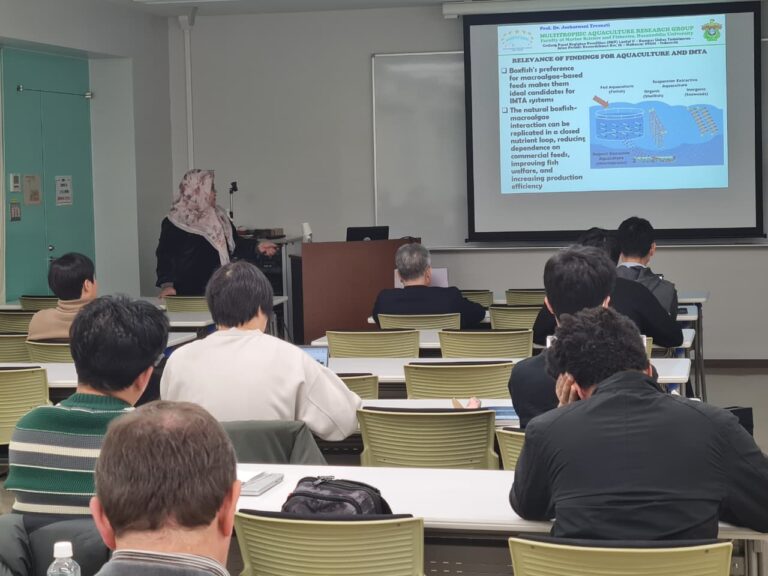
MAKASSAR, Indonesia Januari 1 2026/MARGO/ As global demand for animal protein rapidly rises, intensive fish farming has become vital for worldwide food security. Among the most popular farmed species is the Nile tilapia (Oreochromis niloticus), prized for its adaptability and high nutritional value. However, traditional feed-heavy aquaculture comes at a steep ecological cost. Unconsumed feed, fish feces, and excretions release vast amounts of nitrogen and phosphorus into the water. Studies show tilapia retain only about 14% to 38% of the nitrogen in their diet, leaving the rest to accumulate as toxic ammonia and organic matter. This nutrient overload rapidly degrades water quality, threatens fish survival, and pollutes coastal marine ecosystems.
A groundbreaking study offers a smart, nature-based solution through Integrated Multi-Trophic Aquaculture (IMTA). Published on January 1, 2026, in the Egyptian Journal of Aquatic Biology & Fisheries under the title “Seaweed-Based Integrated Multitrophic Aquaculture System Improves Growth Performance, Feed Efficiency, and Water Quality of the Nile Tilapia (Oreochromis niloticus)”, the research was led by Asti Astuti Putri, Ambo Tuwo, and their team from Hasanuddin University, Indonesia.
The researchers set up a brackish-water IMTA system combining Nile tilapia as the primary fed species, blood cockles (Anadara granosa) to consume solid organic particles, and red seaweed (Gracilaria changii) to absorb dissolved inorganic nutrients. By testing different daily feeding doses (5%, 10%, and 15% of body weight) with and without seaweed over a rearing period, the team examined how this multi-species partnership affects fish growth and environmental stability.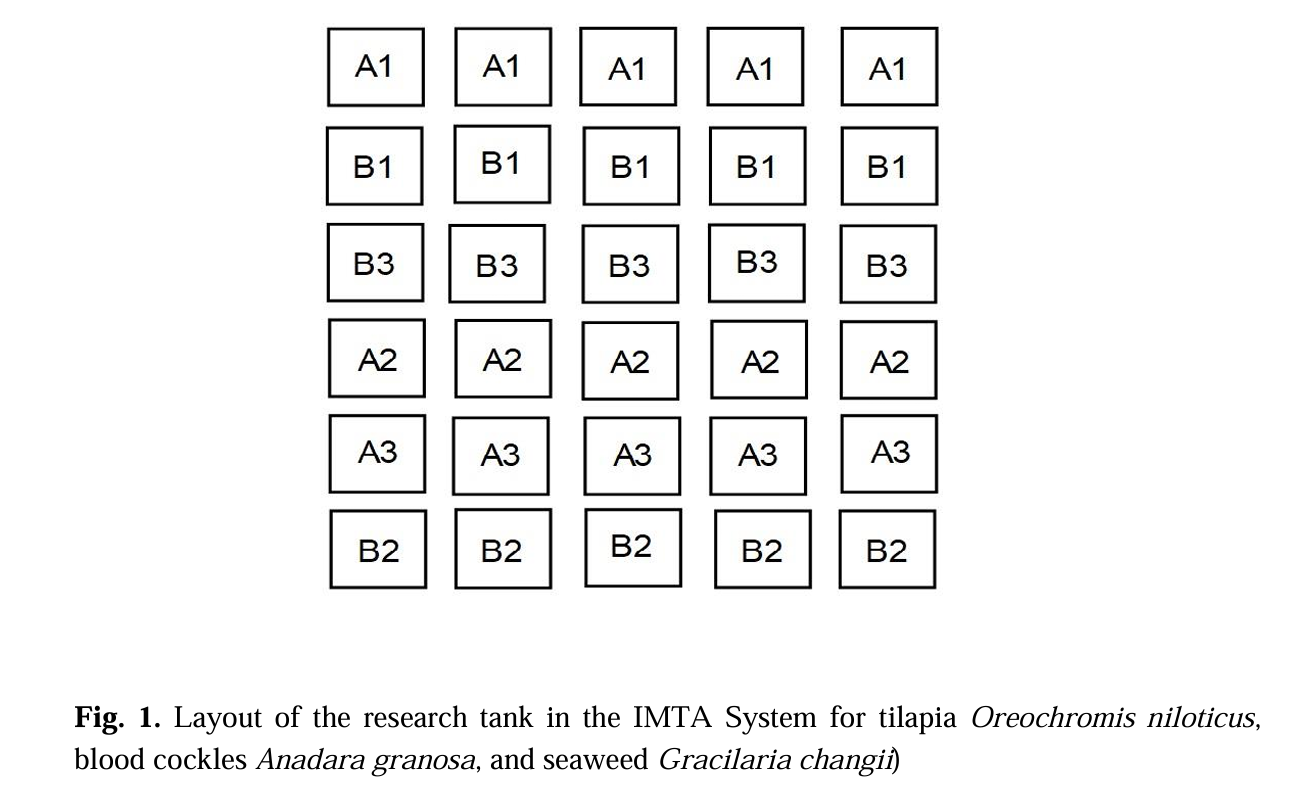
The results demonstrated that seaweed acts as a powerful living biofilter. In systems without seaweed, higher feed doses led to a heavy accumulation of toxic ammonia ($NH_3$) and total organic matter. Conversely, integrating Gracilaria changii significantly reduced ammonia and organic waste levels while boosting dissolved oxygen through photosynthesis. This clean environment substantially improved tilapia survival rates—reaching up to 96.67%. Principal Component Analysis (PCA) confirmed that seaweed integration consistently stabilized water quality and reduced physiological stress on the fish. The study identified that pairing a 10% daily feed dose with seaweed integration achieved the most effective balance between optimal fish growth, feed efficiency, and long-term water quality.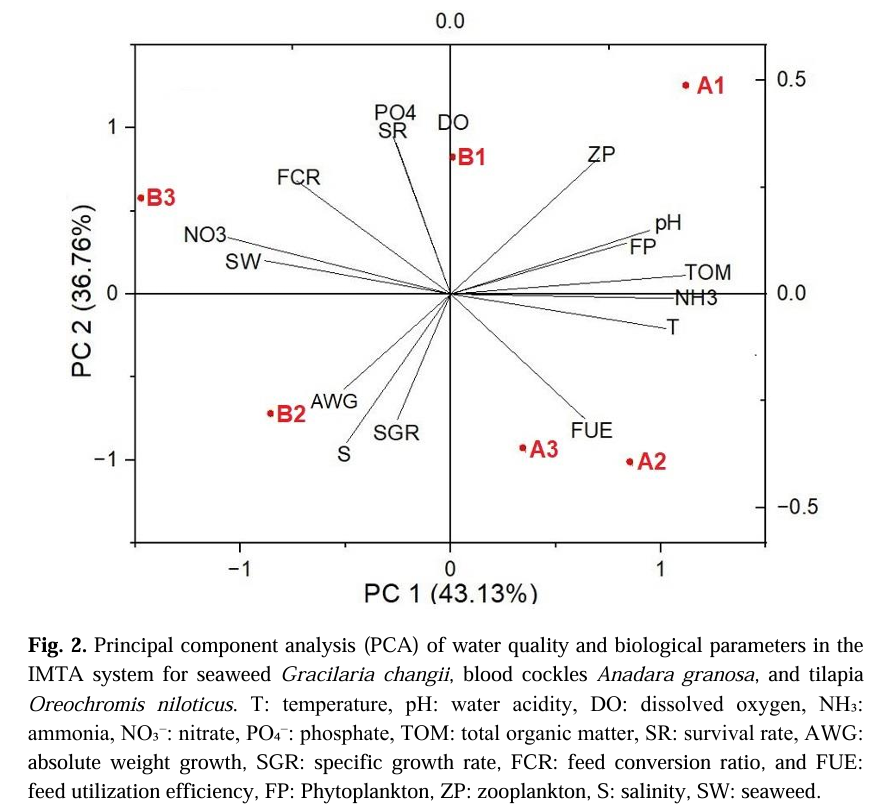
This research directly aligns with SDG 14: Life Below Water, which targets the prevention and reduction of marine pollution—specifically nutrient pollution from land-based and agricultural activities. By transforming harmful waste into valuable plant biomass, seaweed-based IMTA eliminates nutrient pollution at the source, creating a sustainable, circular economy for coastal communities.
Reference
DOI:
10.21608/ejabf.2026.456865.7294
Contact:
Prof. Dr. Ir. Ambo Tuwo DEA
+628124206391
ambotuwo62@gmail.com