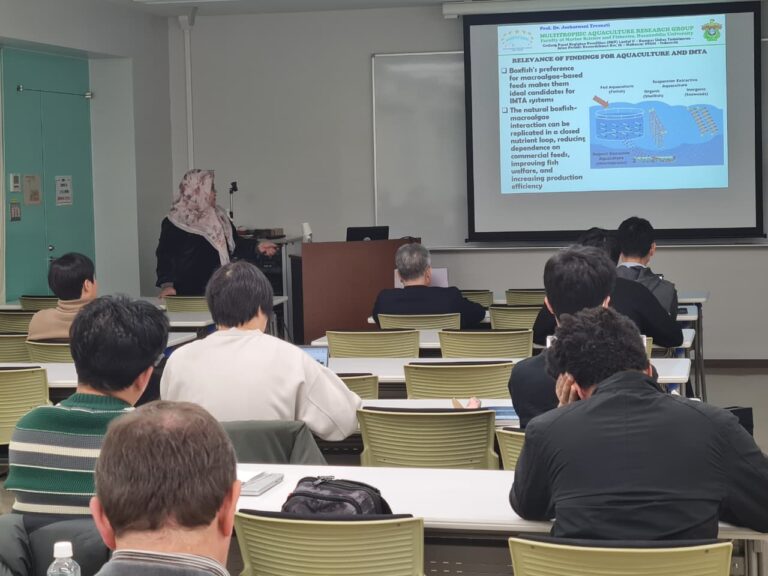
MAKASSAR, Indonesia Agustus 14 2025/MARGO/ Imagine being a seaweed farmer. You have carefully selected your seedlings, packed them for the journey, and transported them to your farm. But when you plant them, they grow slowly, produce less, and some simply die. What went wrong?
The answer might lie not in the farm, but in the journey itself. A groundbreaking preliminary study published on 14 August 2025 in the journal BIO Web of Conferences (Publisher: EDP Sciences) titled “Weight Loss of Kappaphycus striatum seed reared in Controlled Media after Waterless Transport (A Preliminary Study)” reveals a startling truth: the common practice of transporting seaweed seedlings in dry plastic sacks is causing massive weight loss—up to 66%—before the seeds even reach the water. 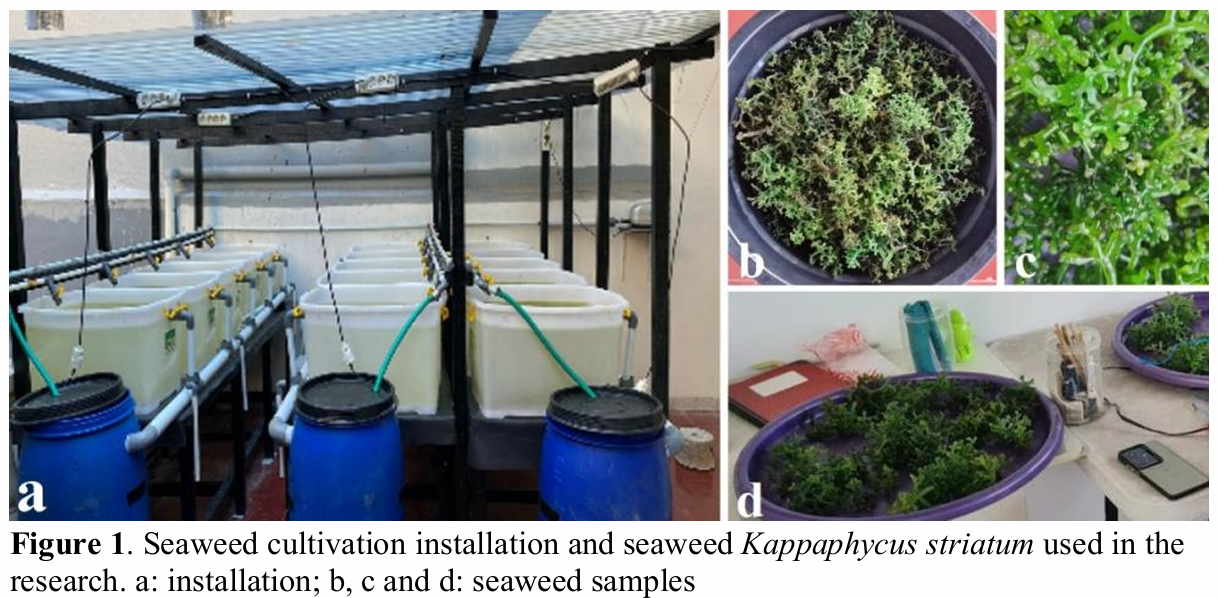
Researchers from Hasanuddin University in Indonesia, led by the Masters to Doctoral Education for Excellent Undergraduates (PMDSU) program, conducted a simple but powerful experiment. They took Kappaphycus striatum seedlings from Jeneponto Regency and transported them to Makassar City using the conventional method: dry plastic sacks without water. Then, they reared the seedlings in controlled tanks for 21 days, carefully measuring their weight.
The results were alarming. On the first day, the average seedling weight was 25.49 grams. By day 21, it had plummeted to just 8.60 grams—a loss of more than two-thirds of their original biomass. 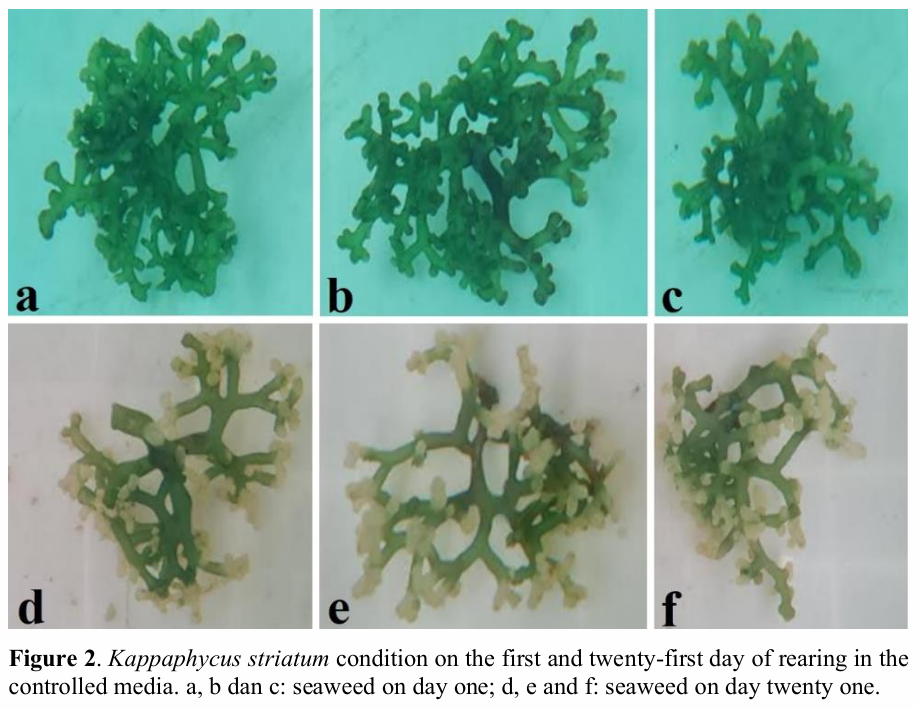
Why does this happen? The researchers suspect that during dry transport, the seedlings experience severe physiological stress. Without water, the delicate tissues begin to dehydrate and break down. Think of it like transporting fresh vegetables without any moisture—they wilt, lose weight, and lose their quality. For seaweed, this stress translates into slower growth, lower quality, and ultimately, reduced harvests for farmers.
This problem affects thousands of small-scale seaweed farmers across Indonesia and other tropical countries. When seedlings arrive weak and damaged, farmers invest time, labor, and hope into crops that will underperform. The economic losses can be devastating for coastal communities that depend on seaweed farming for their livelihoods.
This research directly supports the United Nations’ Sustainable Development Goal 14: Life Below Water. By identifying the hidden costs of current transportation methods, it paves the way for developing better, more sustainable practices that protect marine resources and support the “Blue Economy.” Furthermore, by helping farmers maintain the quality of their seedlings, this research contributes to reducing poverty (SDG 1) and ensuring food security and sustainable livelihoods for coastal communities (SDG 2).
The researchers emphasize that this is only a preliminary study. They acknowledge the need for further research on alternative transportation methods—such as using water-filled containers, cooling systems, or bio stimulants like AMPEP (a marine alginate extract that helps seaweed tolerate drought stress). However, the message is already clear: how we transport seaweed seeds matters just as much as how we grow them. By improving the journey, we can protect the harvest—and the farmers who depend on it.
Reference
DOI:
https://doi.org/10.1051/bioconf/202518508004
Contact:
Prof. Dr. Ir. Ambo Tuwo DEA
+628124206391
ambotuwo62@gmail.com