


MAKASSAR, Indonesia Apr 19 2026 /MSM-RG/– Have you ever wondered how heat treatment in a laboratory can help solve environmental pollution? Sometimes, the answer to cleaner water and a healthier planet begins with tiny particles that cannot even be seen by the human eye. Through advanced materials science, researchers are finding smarter ways to use sunlight and nanoparticles to protect nature and human life.
One important study discussing this innovation is “Enhancing Photocatalytic Performance of Iron-Doped TiO2 Nanoparticles: Effects of Annealing Temperature on Anatase-Rutile Mixed Phase Structure”, published in the Materials Chemistry and Physics, issued by Elsevier, and officially published on 13 May 2024. This research investigates how iron-doped titanium dioxide (TiO2) nanoparticles can be improved through annealing temperature to achieve better photocatalytic performance for environmental applications.
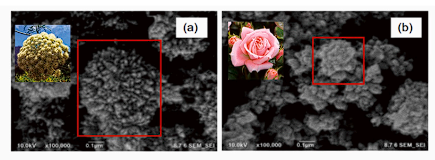
TiO2 is one of the most widely used photocatalytic materials because it is stable, low-cost, and non-toxic. It can break down harmful pollutants such as industrial dyes, bacteria, and organic waste when exposed to light. This makes TiO2 very useful for water purification and environmental cleaning systems. However, pure TiO2 mainly works under ultraviolet light, which limits its efficiency under normal sunlight.
To improve this weakness, researchers introduced iron (Fe) into the TiO2 structure. This process is called doping. Iron helps the material absorb more visible light from sunlight and improves the transfer of electrons during the photocatalytic reaction. As a result, the material becomes more active and more effective in degrading pollutants.
The study also focused on annealing, which is a heating process used to improve crystal quality. By applying different annealing temperatures, the researchers found that the best photocatalytic performance occurred when the nanoparticles formed a mixed anatase-rutile crystal phase. This structure improved charge separation and reduced energy loss, allowing pollutants to be broken down faster.
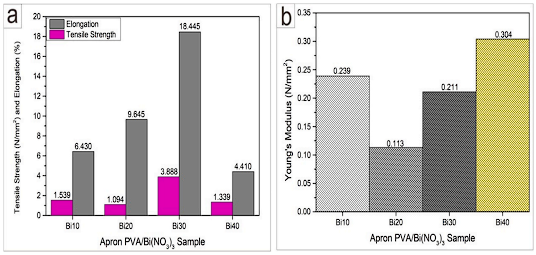
This innovation strongly supports SDG 14: Life Below Water because water pollution is one of the biggest threats to oceans, rivers, and aquatic life. Industrial wastewater often contains dyes and toxic chemicals that damage marine ecosystems. Better photocatalysts can help remove these pollutants before they enter natural water sources, protecting fish, coral reefs, and biodiversity.
The study also supports SDG 15: Life on Land because cleaner rivers and soil help maintain healthy ecosystems for plants, animals, and communities living near polluted areas. Preventing contamination on land also reduces the long-term environmental damage caused by industrial waste.
In addition, this research contributes to SDG 3: Good Health and Well-Being since clean water is essential for preventing disease and protecting human health. Communities with access to safer water have better living conditions and lower health risks.
This study reminds us that sustainability can begin from a laboratory process as simple as heating nanoparticles. A better photocatalyst today can lead to cleaner water, healthier ecosystems, and safer lives tomorrow. So, can heat and tiny particles really help save the environment? Absolutely—because science often creates the biggest solutions from the smallest materials.
Reference:
DOI: https://doi.org/10.1016/j.matchemphys.2024.129464
Contact:
Prof. Dr. Paulus Lobo Gareso, M.Sc.
+62 813-5511-2925
pgareso@fmipa.unhas.ac.id

