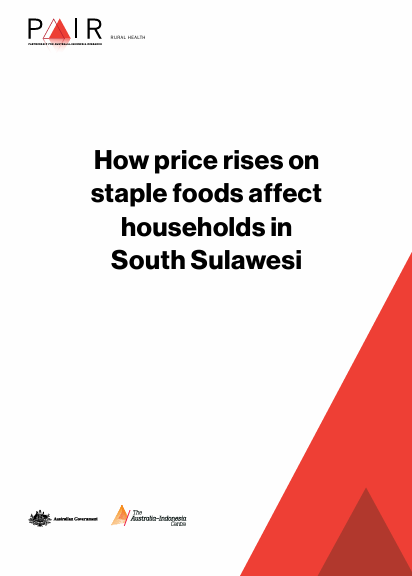

Makassar, April 14 2026/MSBDRG/ – The activity titled “How Price Rises on Staple Foods Affect Households in South Sulawesi” presents an important analytical effort to understand the real impact of increasing food prices on household welfare. Conducted in South Sulawesi on December 15, 2023, this study involved 4 participants and was carried out in collaboration with an international partner, The University of Western Australia (UWA). The research was undertaken by Ram Pandit, Anas Iswanto Anwar, Rakhmat N P Nugraha, Seamus Pandit who focused on examining how fluctuations in staple food prices influence the economic capacity of households.
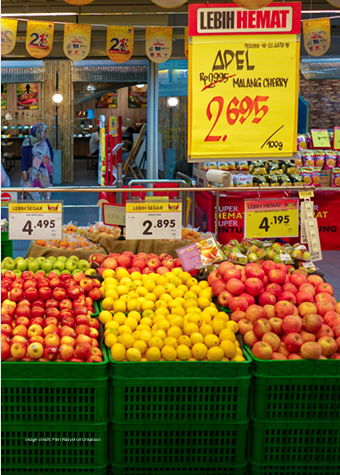
This activity aimed to provide a comprehensive report showing how price increases across ten essential food commodities affect household consumption patterns. More specifically, the study analyzed how rising prices reduce purchasing power and force households to reallocate their limited income. It also estimated how much additional income is required for households to maintain their standard of living in the face of inflationary pressures.
The findings highlight that increases in staple food prices—such as rice, cooking oil, eggs, and other basic necessities—have a direct and significant impact on low- and middle-income households. As food constitutes a large share of household expenditure, even small price increases can lead to substantial welfare losses. Households are often forced to reduce food quality, limit consumption, or cut spending in other essential areas such as education and healthcare. This condition underscores the vulnerability of households to economic shocks, particularly in regions with limited income diversification.
From a broader perspective, this activity strongly aligns with several Sustainable Development Goals (SDGs), particularly SDG 1: No Poverty, SDG 4: Quality Education, and SDG 17: Partnerships for the Goals. Rising food prices can push vulnerable households closer to poverty (SDG 1), as their real income declines and their ability to meet basic needs is compromised. By providing evidence-based insights, this research contributes to better policy formulation aimed at protecting household welfare.
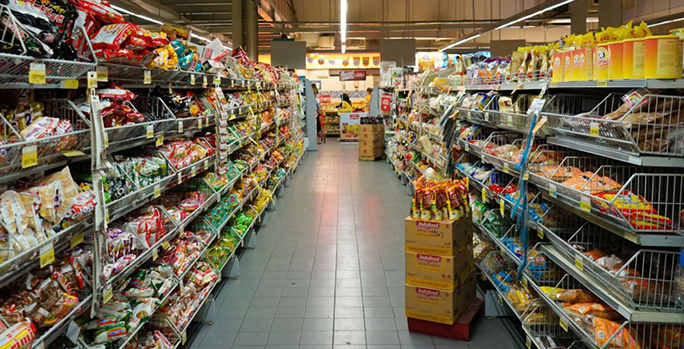
In addition, the dissemination of this study supports SDG 4: Quality Education, as it translates complex economic analysis into accessible knowledge for the public, policymakers, and academic communities. Understanding the relationship between inflation and household welfare is essential for building economic awareness and resilience at the community level.
The collaboration with The University of Western Australia (UWA) also reflects the importance of SDG 17: Partnerships for the Goals. International cooperation enhances the quality of research through knowledge exchange, methodological support, and broader perspectives. Such partnerships are crucial in addressing global challenges like food security and inflation, which transcend national boundaries.
In conclusion, this activity provides valuable insights into how rising food prices affect household welfare in South Sulawesi. It emphasizes the need for responsive economic policies, social protection mechanisms, and continuous research collaboration. By bridging academic analysis with real-world challenges, this initiative contributes to building a more resilient and informed society in the face of economic uncertainty.
Reference: chrome-extension://efaidnbmnnnibpcajpcglclefindmkaj/https://pair.australiaindonesiacentre.org/wp-content/uploads/2024/01/PAIR_How-price-rises-on-staple-foods-affect-households-in-South-Sulawesi.pdf
Contact:
Anas Iswanto Anwar