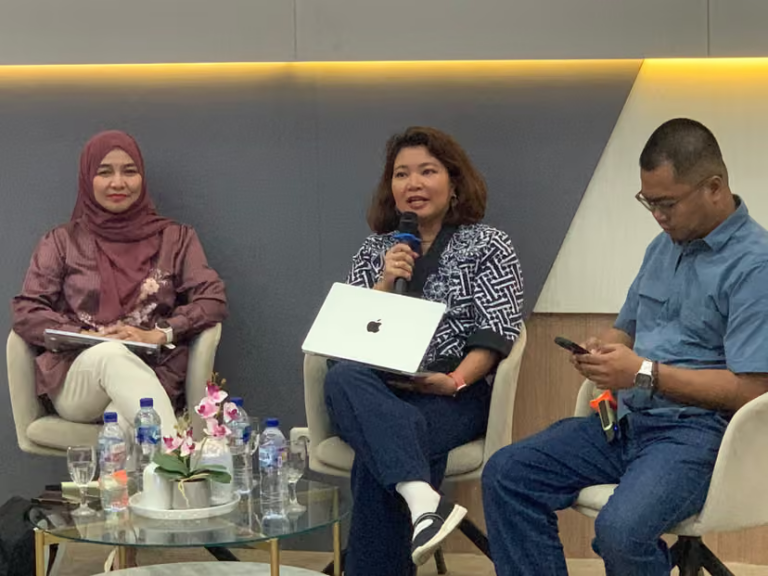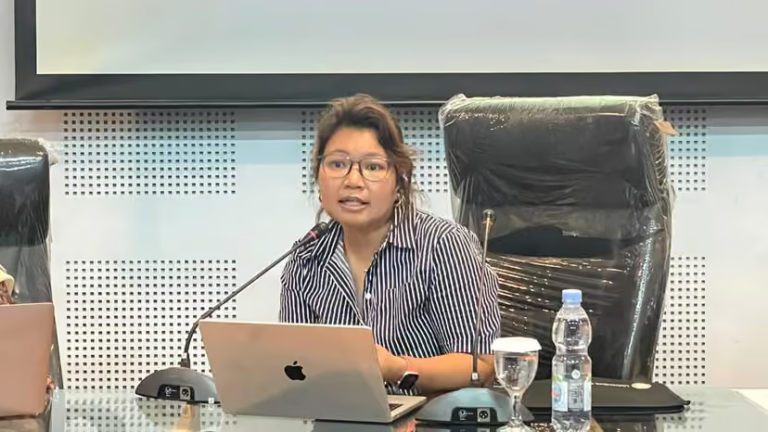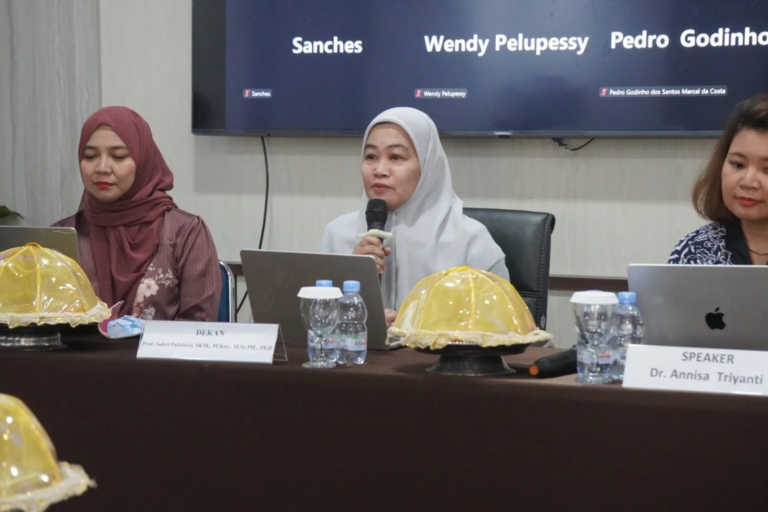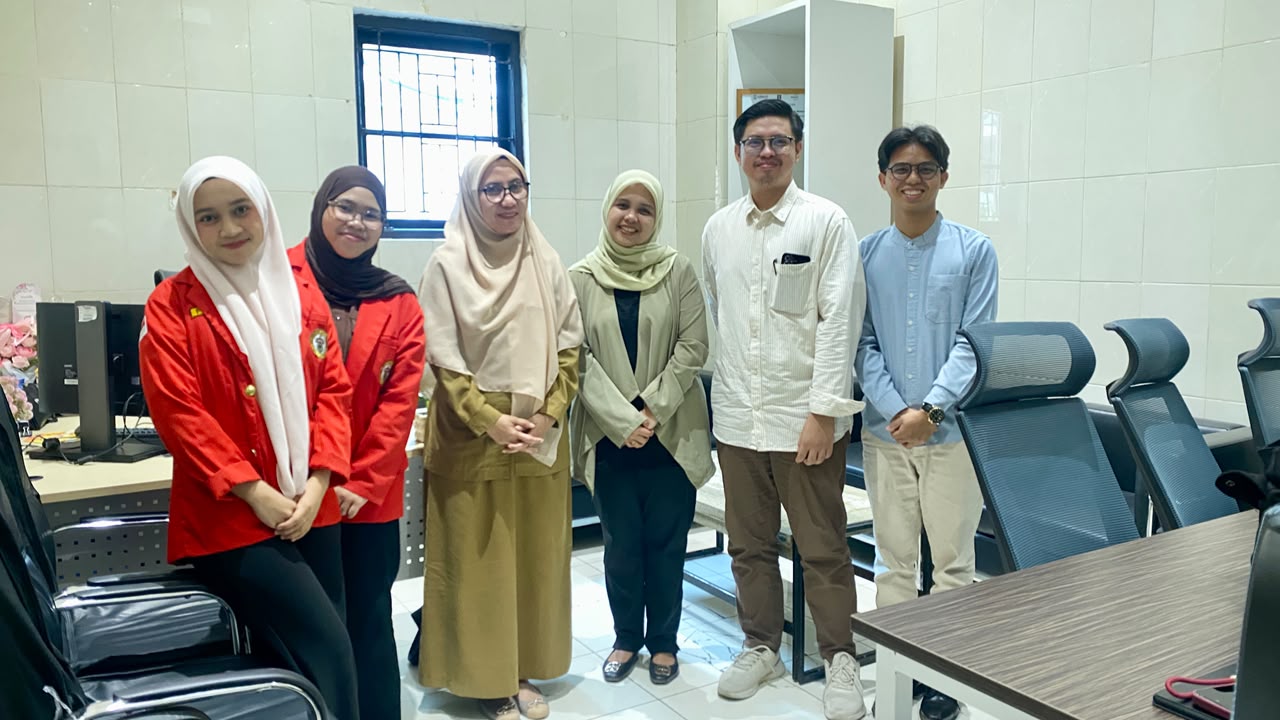

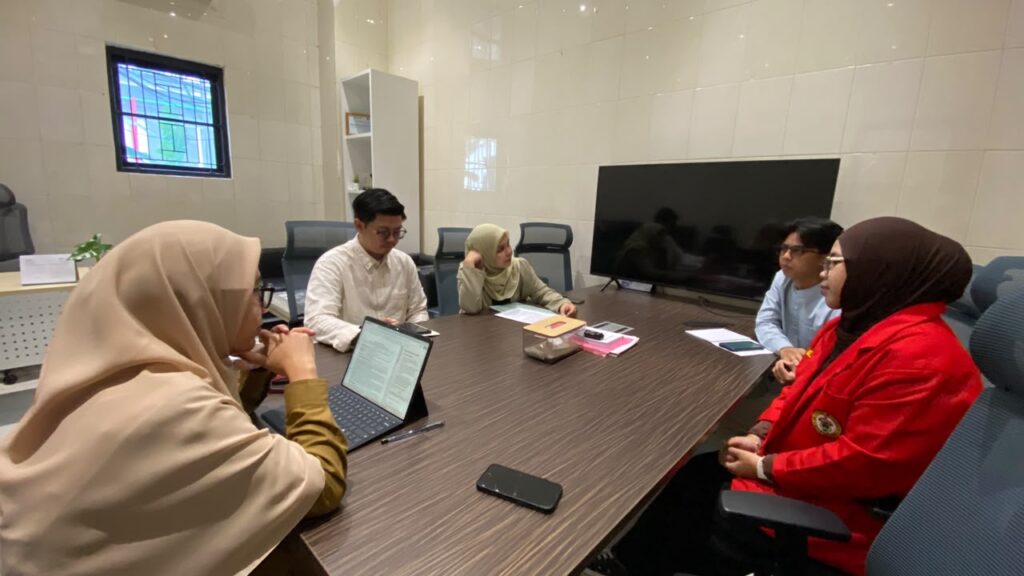
On 5 October 2026, a research interview was conducted at the Badan Perencanaan Pembangunan Daerah (Bappeda) Makassar. This activity involved five participants and formed part of a broader study titled “Hubungan Pengungsi dan Masyarakat Sekitar di Tamalanrea, Makassar, setelah Sepuluh Tahun (2017–2027),” carried out by the Migration and Human Security Research Group (MHSRG), Faculty of Social and Political Sciences, Universitas Hasanuddin.
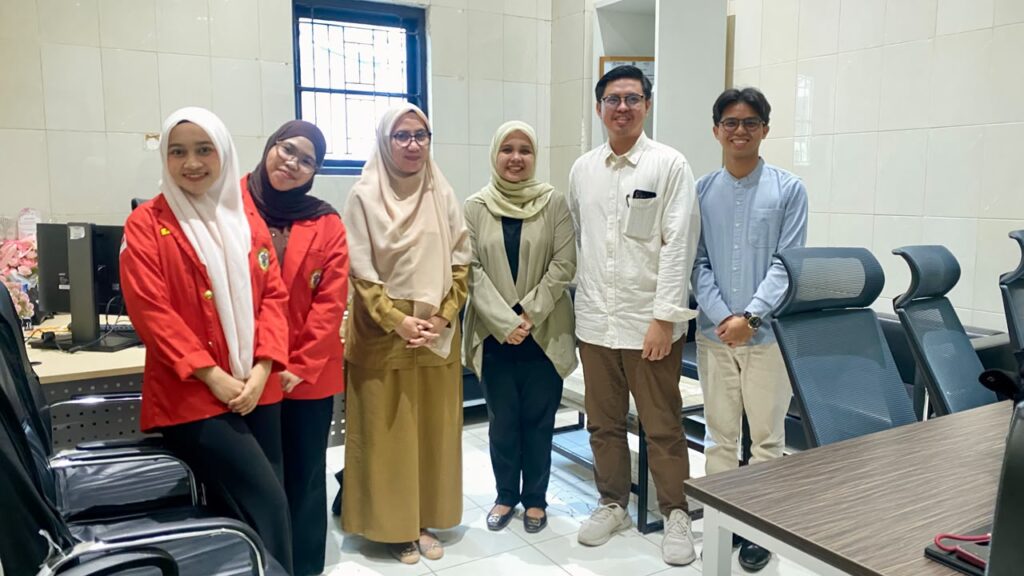
The interview aimed to explore how the relationship between international refugees and surrounding communities in Tamalanrea has evolved over the past ten years, and the extent to which the long-term presence of refugees has been, or has not yet been, considered within the city’s development planning processes. Building on research first conducted in 2017–2018, this follow-up study sought insights directly from city planning officials regarding their perspectives on budgeting, data management, and regional development strategy in relation to this long-standing humanitarian situation.
During the session, discussions centered on several key themes: the role of local government in addressing refugee presence amid overlapping authority with central government institutions; the availability and completeness of data on refugee populations in Tamalanrea; the condition of basic services such as health, education, sanitation, and clean water in affected areas; and the coordination mechanisms between Bappeda and relevant stakeholders, including the Social Affairs Office, immigration authorities, UNHCR, and IOM. The conversation also touched on how refugee-related issues connect to sustainable development targets pursued by the city, particularly those concerning equity, inclusivity, and social harmony.
This activity closely reflects several Sustainable Development Goals (SDGs). It directly supports SDG 1: No Poverty, as understanding how budgeting and planning mechanisms accommodate, or fail to accommodate, refugee needs helps identify structural gaps that affect both refugee and host community welfare. It also strongly aligns with SDG 3: Good Health and Well-Being, given the discussion’s focus on the adequacy of health, sanitation, and clean water services in areas where refugee and local populations coexist. Furthermore, this research contributes to SDG 4: Quality Education, as findings from such interviews generate evidence-based knowledge that can inform more inclusive educational access and planning for vulnerable populations. Finally, the activity embodies SDG 17: Partnerships for the Goals, as it reflects collaborative engagement between academic researchers and local government institutions, demonstrating how knowledge co-production between city planners and the research community can strengthen evidence-based, inclusive urban governance.
Ten years on, this interview offers a timely opportunity to reassess how far refugee presence has been integrated, or remains absent, from formal development planning in Makassar. The insights gathered will contribute to a policy brief to be shared with Bappeda, intended to support more informed and inclusive decision-making as the city continues to navigate the long-term realities of hosting displaced populations within its urban fabric.