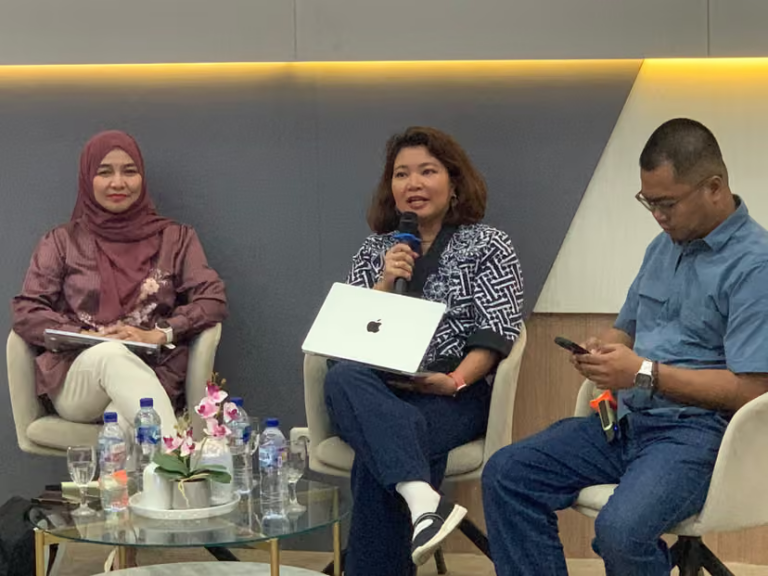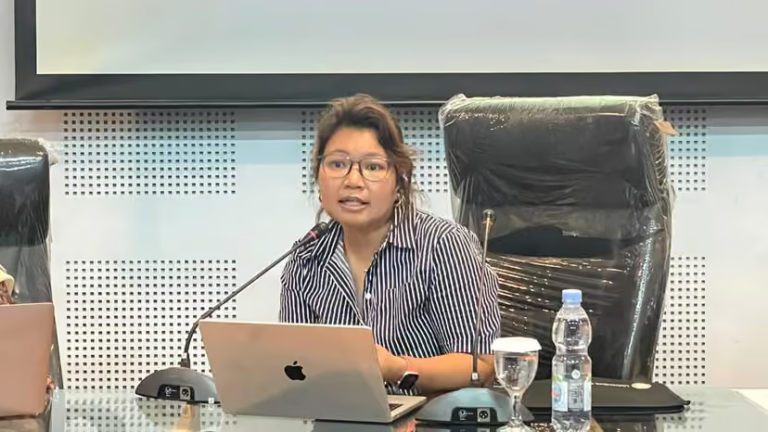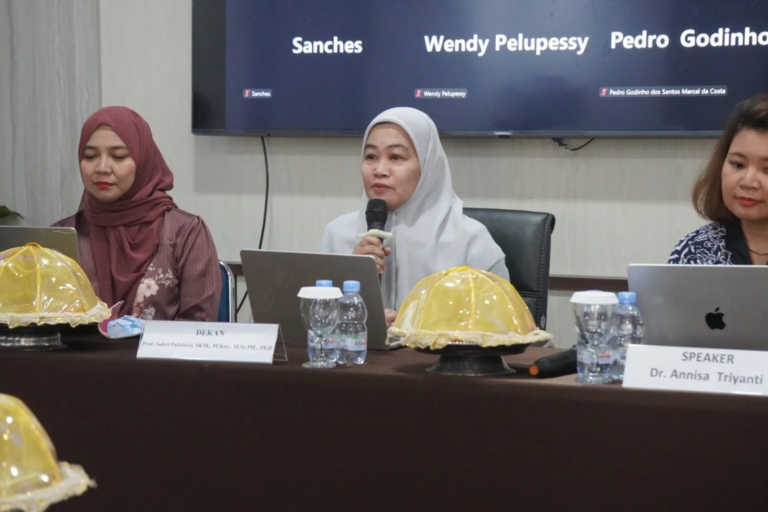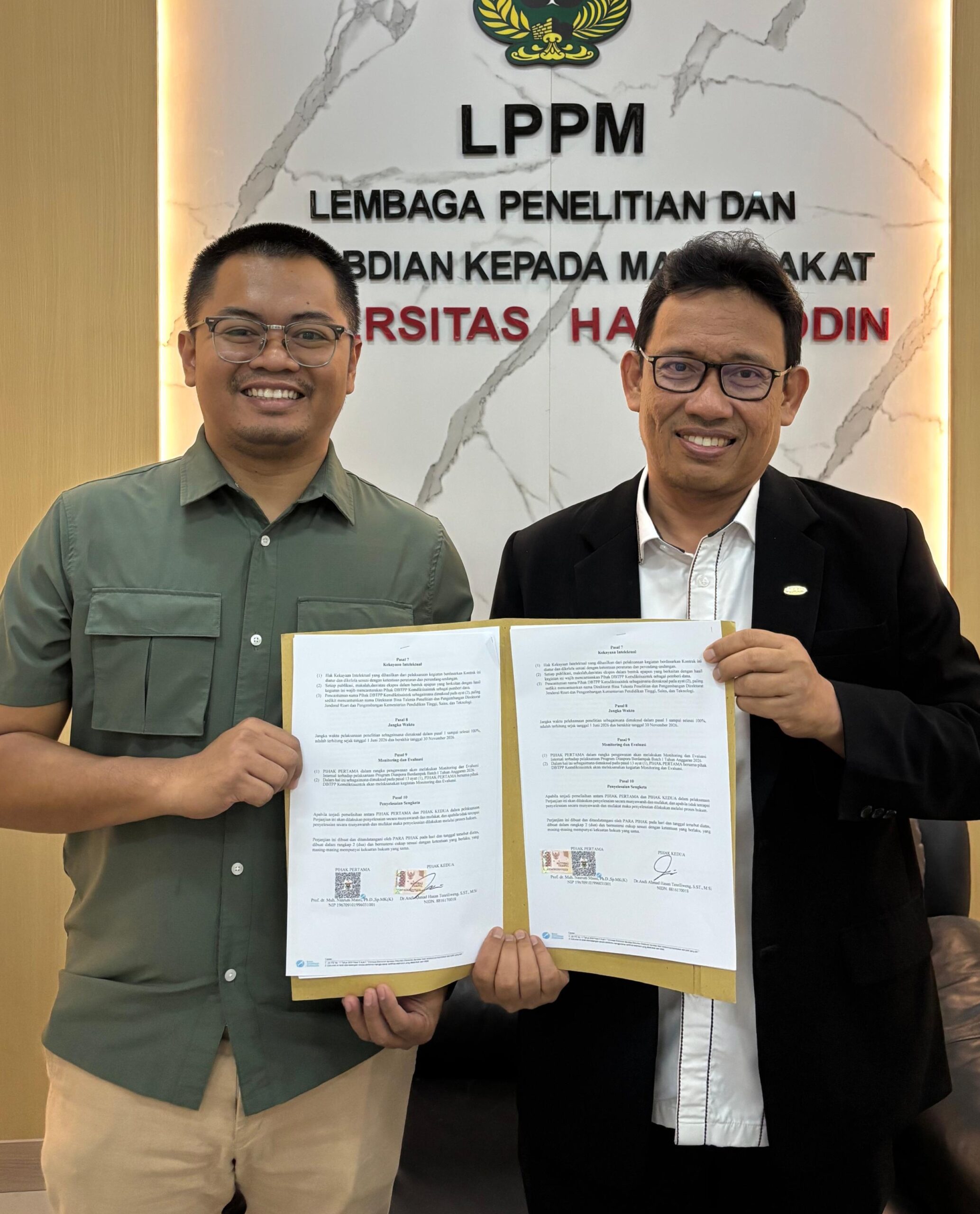

On 29 September 2025, in Makassar, a formal contract signing ceremony was held to mark the official commencement of the “Diaspora Berdampak” (Impactful Diaspora) Program, signed by Dr. Andi Ahmad Hasan Tenriliweng, S.ST., M.Si. This signing represents the foundational agreement rather than the full implementation of the program itself, formally binding the collaboration between Universitas Hasanuddin and diaspora researchers before the substantive research and mentoring activities begin.
The signing was attended by six key participants: Nur Isdah Idris, S.IP., MA., Ph.D, Atika Puspita Marzaman, S.IP., MA, Dr. Andi Ahmad Hasan Tenriliweng, S.ST., M.Si, Ahmad Tarikhul Haq, S.IP., MA, and Amdya Hisyam, S.IP., MA from the MHS TRG (Migration, Human Security, and TransRegional Governance) research team, along with Rizkyana Dipananda from the Amsterdam Institute for Social Science Research (AISSR), University of Amsterdam, the Netherlands. Their presence at this signing reflects a shared commitment across institutions and continents to advancing rigorous, community-grounded research.
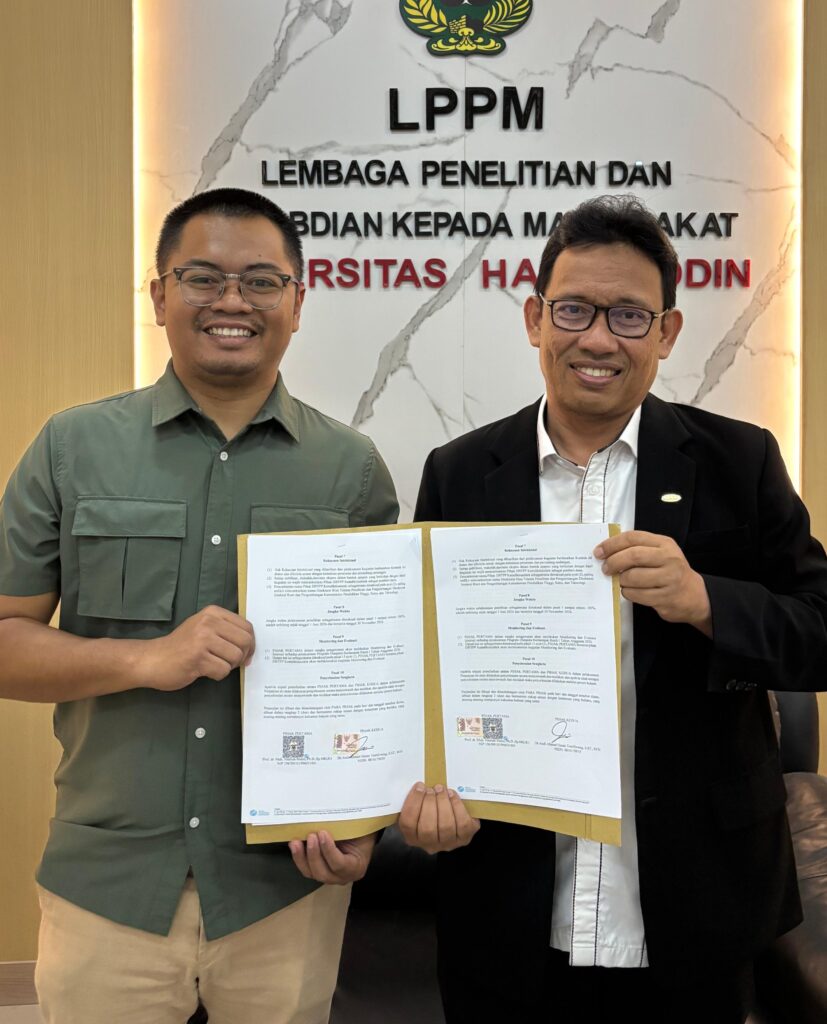
This agreement lays the groundwork for a series of planned academic activities aimed at strengthening the research capacity of Universitas Hasanuddin’s academic community in the fields of coastal anthropology and sustainable food systems. Once implemented, the program is designed to include public lectures, research colloquia, mentoring clinics, and paper sprints, alongside discussions on a three-year research roadmap and co-supervision schemes with the University of Amsterdam. These future activities are expected to yield strengthened ethnographic methodologies, manuscript drafts for reputable international journals, joint proposals for international research grants, and a formal Collaboration Plan and Commitment Letter to guide long-term cooperation.
This initiative closely aligns with several Sustainable Development Goals (SDGs). It directly supports SDG 4: Quality Education, as the collaboration is designed to enhance research methodology training and mentoring for lecturers and young academics. It also strongly embodies SDG 17: Partnerships for the Goals, given that this cross-border collaboration between Indonesian and Dutch institutions exemplifies the power of international academic partnerships in achieving shared research and development objectives. Furthermore, the initiative contributes to SDG 1: No Poverty, as research on sustainable food systems can inform policies that strengthen community livelihoods and economic resilience, particularly among coastal populations. Given its explicit focus on coastal anthropology, the program also aligns with SDG 14: Life Below Water, supporting knowledge development on sustainable use of marine and coastal resources. Additionally, as the research encompasses sustainable food systems more broadly, it relates to SDG 15: Life on Land, reflecting attention to terrestrial ecosystems and resource management that underpin food security.
Although this signing ceremony is only the first formal step, it carries significant symbolic and strategic weight, establishing the legal and institutional foundation upon which future collaborative research will be built. It reflects a shared vision between Universitas Hasanuddin and its diaspora partners: that meaningful academic progress begins with clear commitment, mutual trust, and a willingness to bridge knowledge across borders for the benefit of coastal communities and sustainable futures alike.